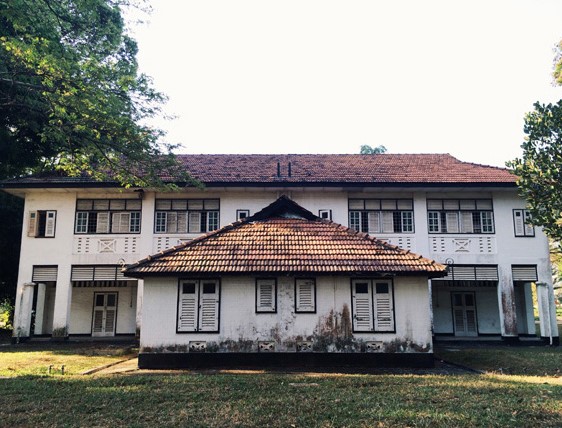
Many locals would have walked past at least one of these iconic black-and-white houses in Singapore. An important reminder of our colonial past, most of these houses were built between 1903 and 1928 for British officials and military personnel. What are the stories behind these walls?
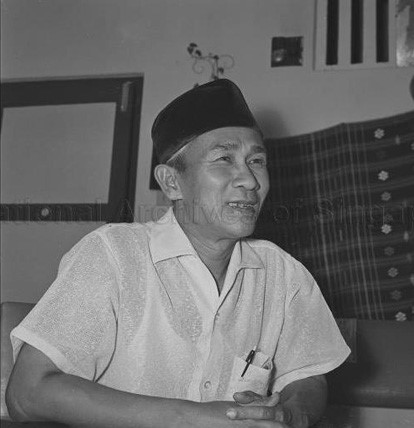
What’s the one song that every Singaporean knows? You’re probably right if you had guessed Majulah Singapura, our National Anthem. And its composer is none other than Zubir Said, or more affectionately known as Pak Zubir.
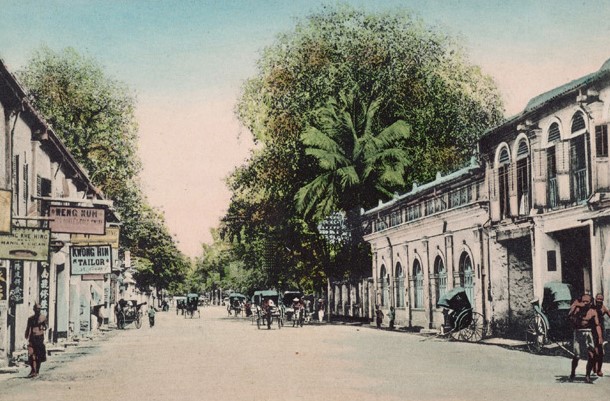
Oxford Street, Auckland Road, Mandalay Road. Dozens of streets in Singapore bear the names of iconic places in the Commonwealth, reflecting the city’s roots as a British colony. Other road names here draw inspiration from our rich culture and everyday life. Vested with meaning and encoded with our unique DNA, the names of our streets serve as accessible starting points to revisit and unpack the city’s rich repository of stories. “Travel” back in time with us as we take you on a brief journey of Singapore’s toponymics.
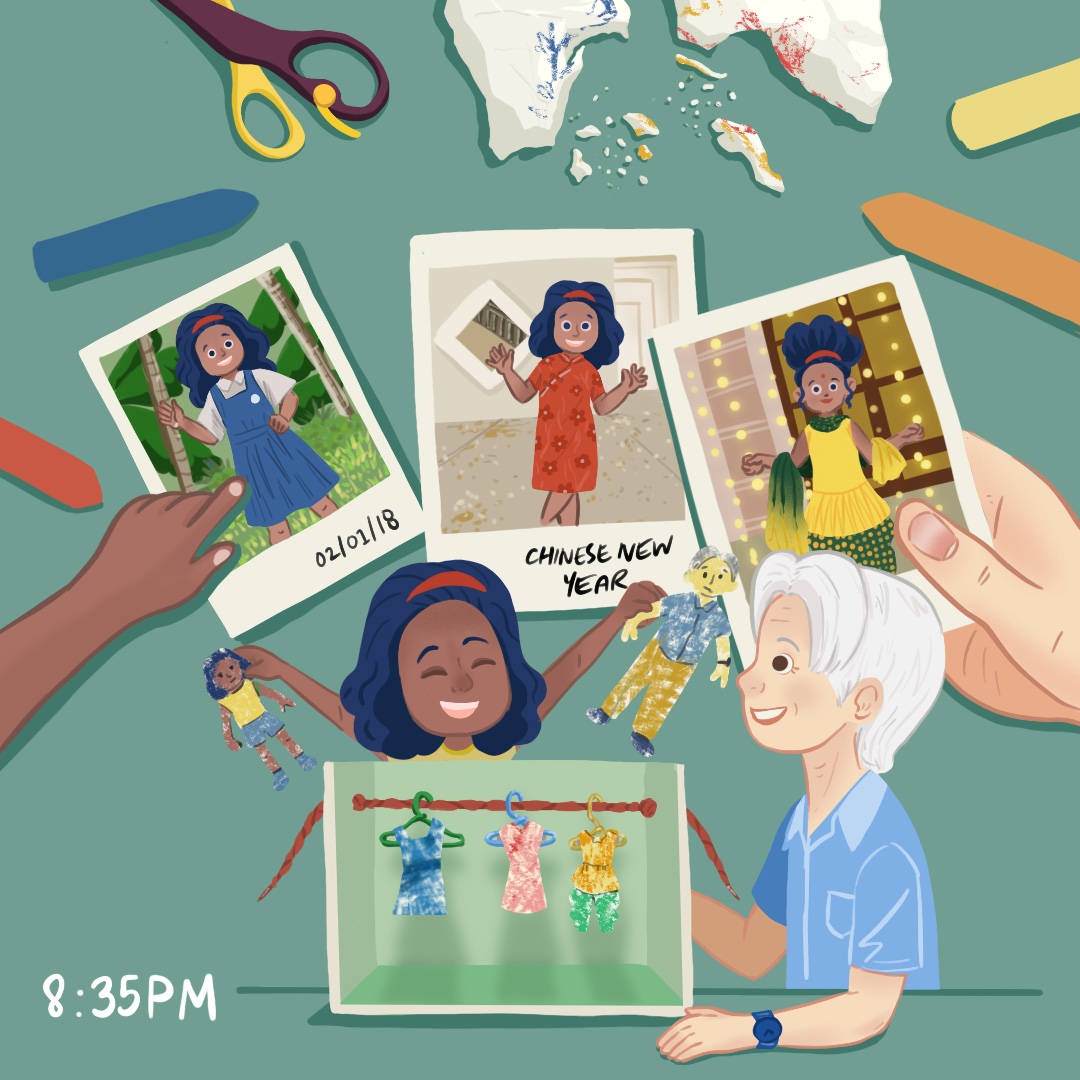
Savour the sweetness of celebrating festivals in Singapore with Nadine and Gong Gong.
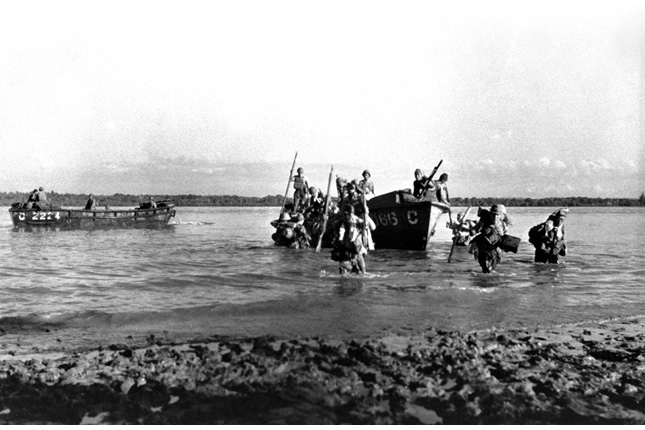
World War Two came to Singapore when the first bombs were dropped on the island on 8 December 1941. 61 people were killed and 133 others injured that day. This was followed by a swift Japanese invasion from the north two months later.
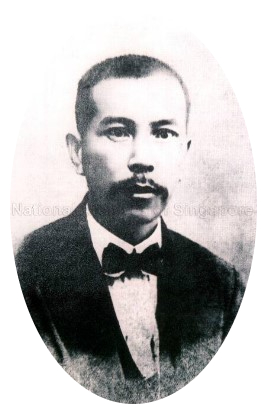
A man who wore many hats, Tan Kah Kee was a philanthropist, business tycoon, social reformer, education promoter, community leader and Chinese patriot, who showed tenacity and generosity in the face of adversity.
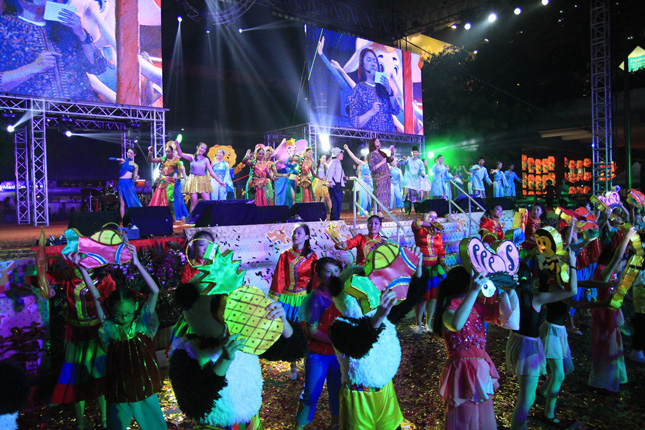
Did you know that eight out of the eleven public holidays in Singapore are celebrations originating from our various religions and cultures? Singapore today is known to be a colourful mix of cultures, faiths, and communities.
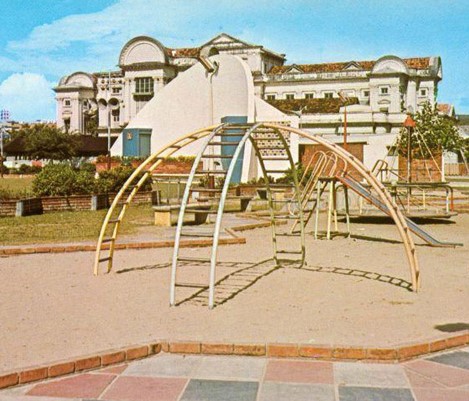
Just a few decades ago in Singapore, the HDB playground used to be the “headquarters” for the children in the neighbourhood. Coming home from school and still in their uniforms, they would play Catch, or “Police and Thief”, and challenge one another at “Zero Point”.
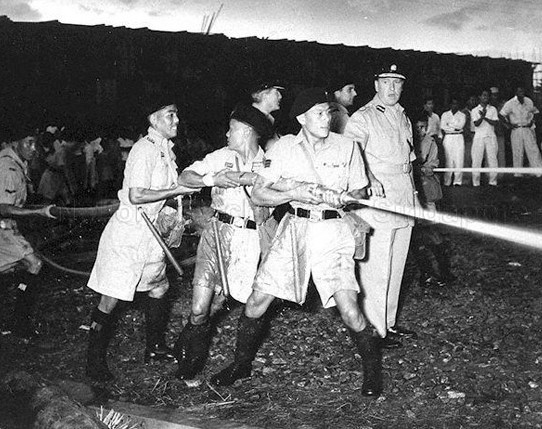
On 25 April 1955, 229 members of the Singapore Bus Workers’ Union started a protest after being dismissed from their jobs at Hock Lee Bus Company. Then Chief Minister David Marshall stepped in to help, but negotiations failed and the strike continued.
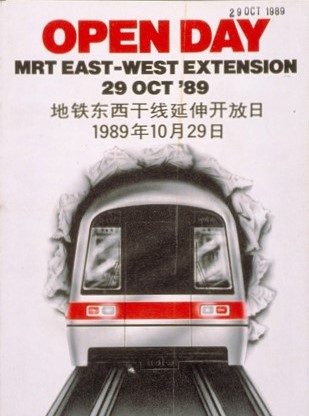
It’s hard to imagine Singapore without the Mass Rapid Transit (MRT). With over 148 km of rail across 106 stations, an estimated 3 million people commute to work, school and other destinations on a daily basis.
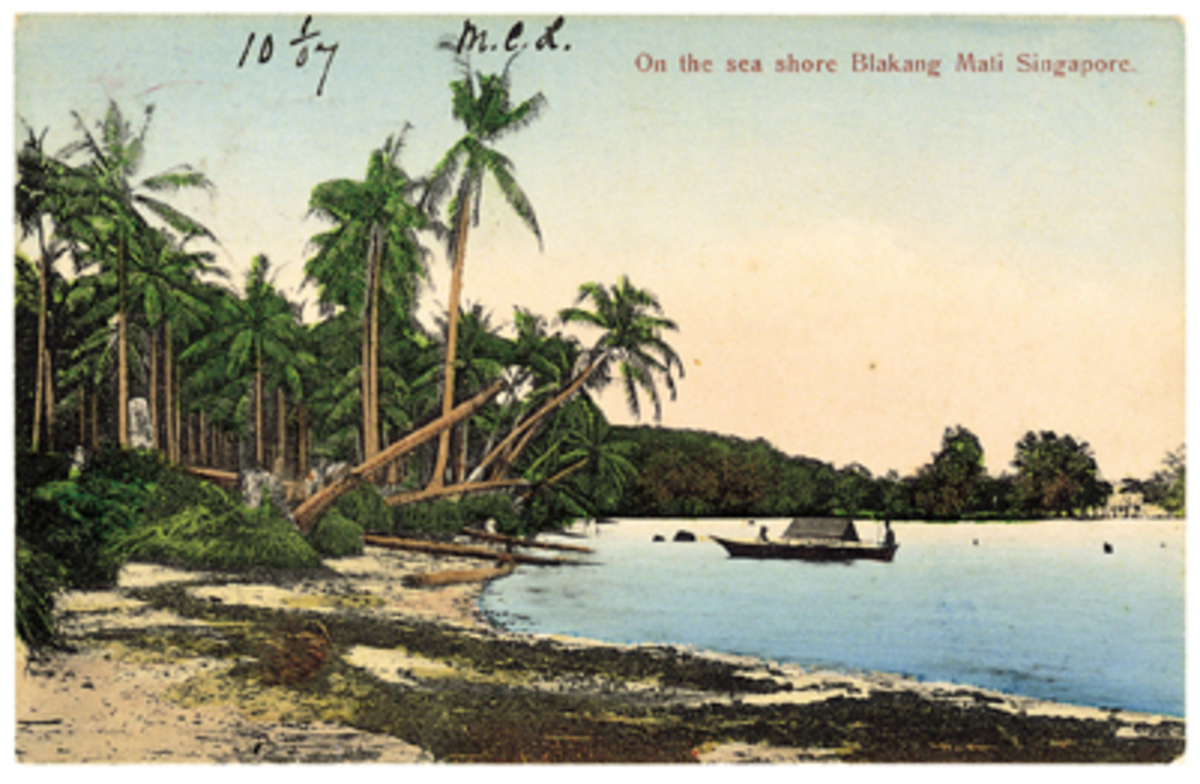
Sentosa, a 500 hectares resort island lying off the southern coast of Singapore, is well-known for its luxury resorts, theme parks, golf courses and a casino. However, the now-popular island had a rather bleak past.
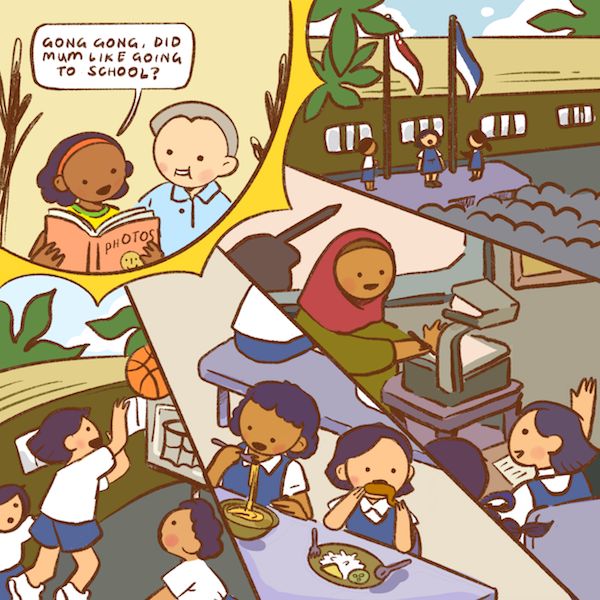
School bells and food smells, and wonton with noodles, these are a few of my favourite (school) things!
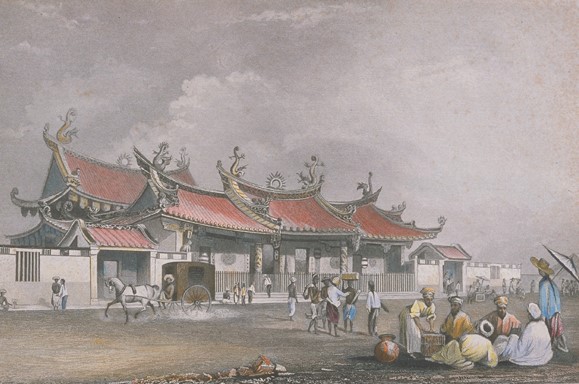
In the 1800s, Telok Ayer Street was the first stop in Singapore for many of our forefathers. These early communities built places of worship and clan associations, six of which have been gazetted as national monuments by the National Heritage Board.
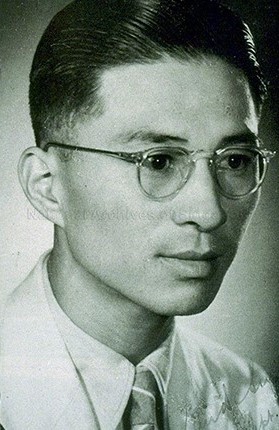
Lim Bo Seng is a war hero who fought to reclaim Malaya and Singapore back from the Japanese during World War II. A loyal Chinese patriot and freedom fighter, he sacrificed his life at a young age of 35 during the war.
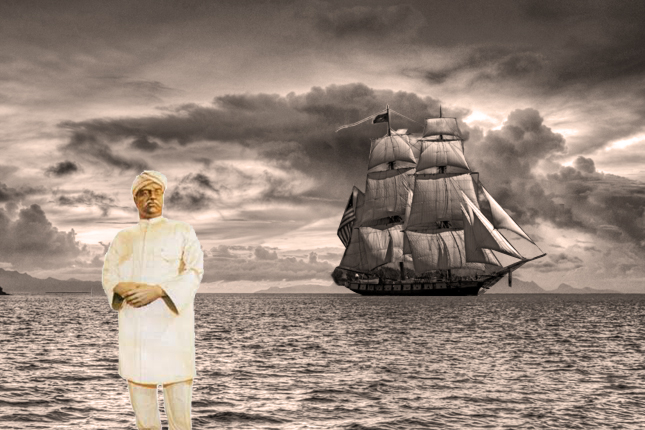
A pioneer of Singapore’s Indian community, Naraina Pillai first arrived on our shores in 1819, together with Sir Stamford Raffles. Truly one of the founding fathers of our nation, he started Singapore’s first brick company and became the first Indian building contractor here.
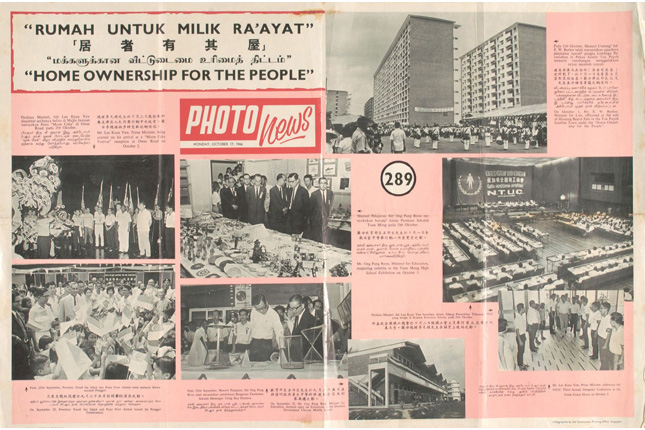
Queenstown, also known to some as the queen of estates, was developed as Singapore’s first satellite town in 1952, back when Singapore was still a British colony.
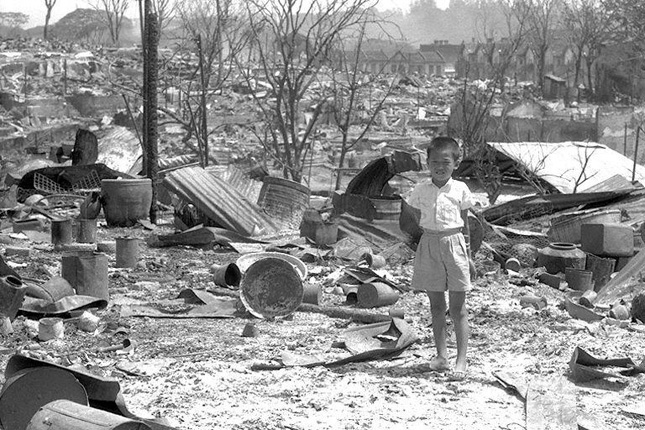
25 May 1961 – What started as a small fire at a makeshift squatter hut in Kampong Tiong Bahru Road grew into a raging blaze that swallowed the entire 100-acre Bukit Ho Swee estate.
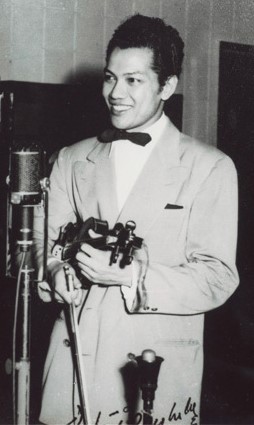
The multitalented Malay entertainment legend, P Ramlee, was an actor, singer, songwriter, and director who first made his mark in Singapore in the late 1940s. His numerous works continue to enchant millions of audiences across Singapore, Malaysia, Brunei, and Indonesia up till this day.
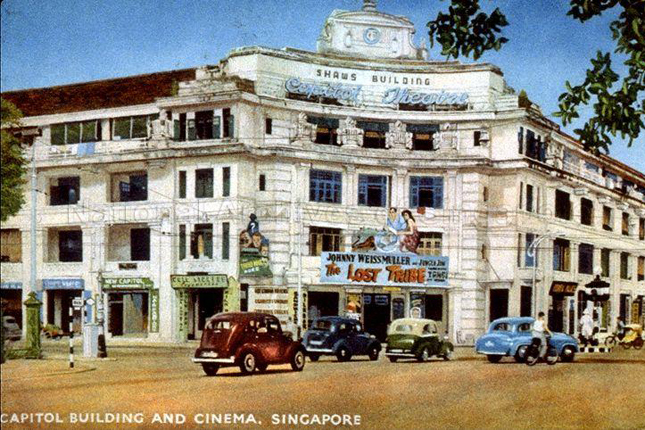
Pull back the curtains on the first cinemas in Singapore and discover how the movie-going experience has changed over the years.
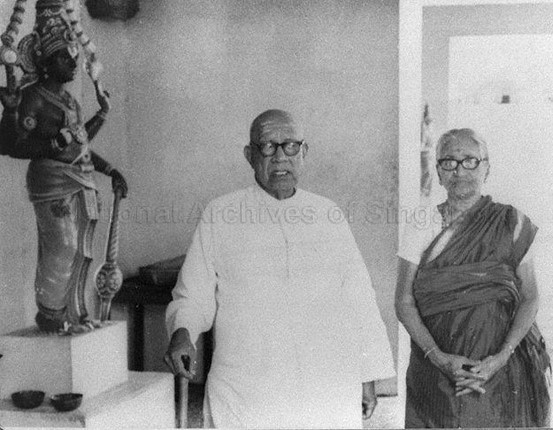
Many who had visited Little India in the 90s would have heard of another empire besides Mustafa – PGP Stores. The saree store and supermarket were owned by Govindasamy Pillai, a Tamil Nadu immigrant who donated generously to the Hindu community in Singapore.
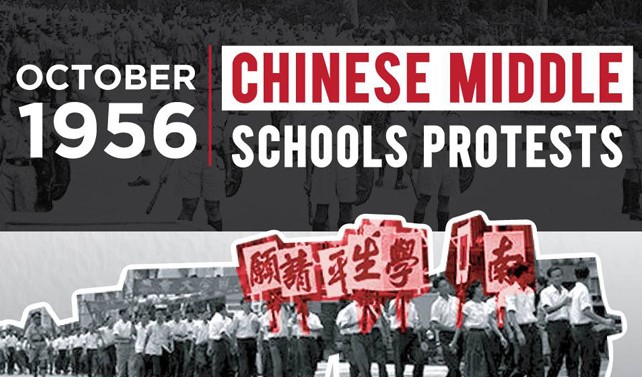
What started as the government's move to curb the rise of communism in Singapore, triggered what would be known as one of the worst riots in the history of the nation.
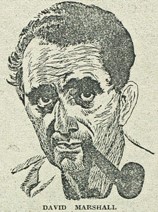
David Saul Marshall was a renowned criminal lawyer, and is fondly remembered as Singapore’s first Chief Minister, who carried his signature pipe wherever he went.
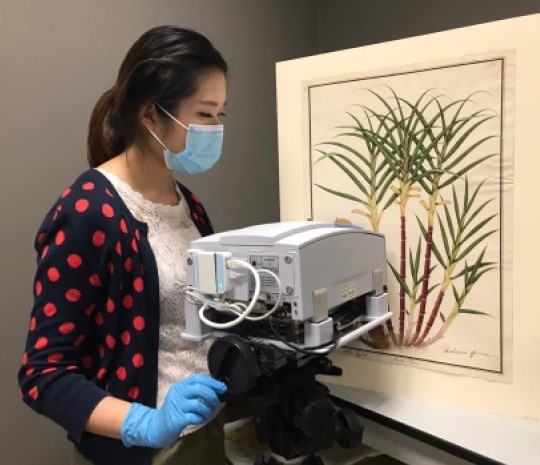
Find out what goes on in the Conservation Science Laboratory at the Heritage Conservation Centre in an exclusive interview with Singapore’s only conservation scientists, Lynn and Xu Mei.
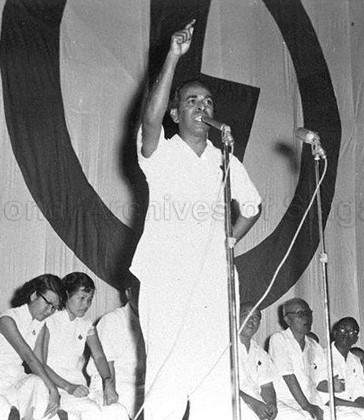
“We, the citizens of Singapore, pledge ourselves as one united people.” This is the very familiar first sentence to our National Pledge, which many Singaporeans have recited every morning as a student. Written by S. Rajaratnam, our National Pledge has been memorised to heart since the first students recited it on 24 August 1966.
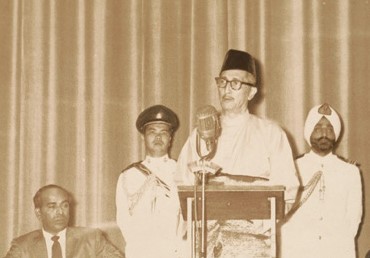
Yusof Ishak is the first President of Singapore. He tided the republic over a period of uncertainty following the separation with Malaysia in 1965. His values and beliefs in meritocracy, multiculturalism and modernisation underpinned Singapore’s success through the nation-building years and left a lasting legacy with the nation.
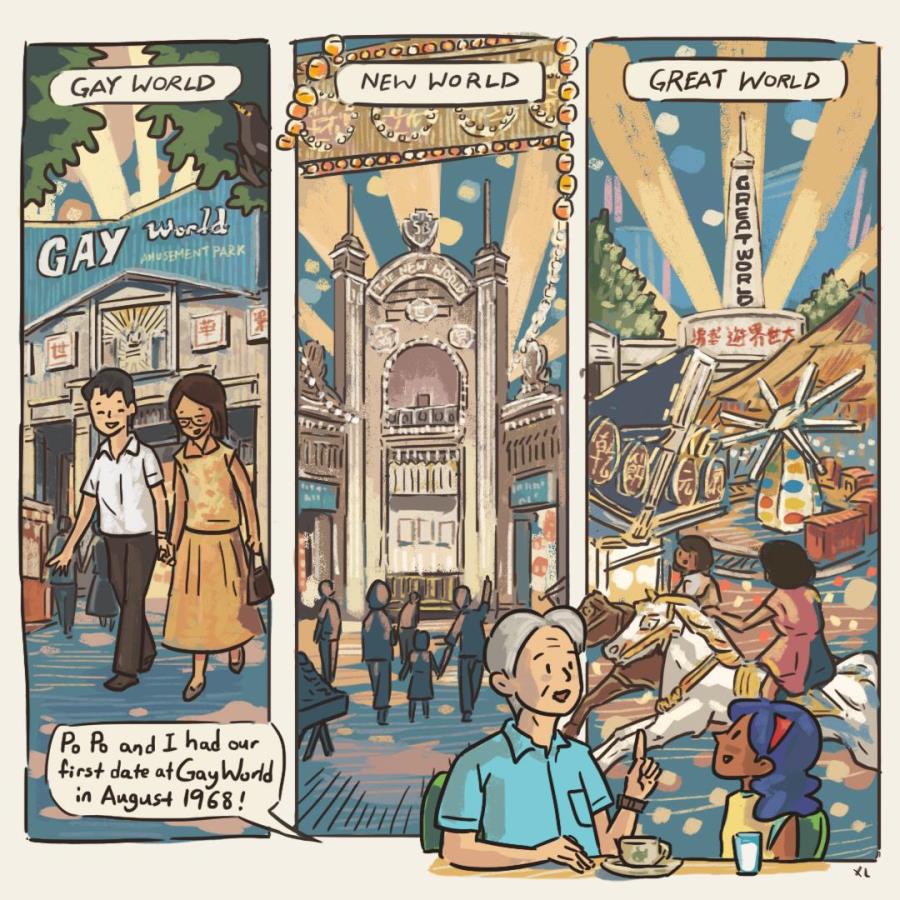
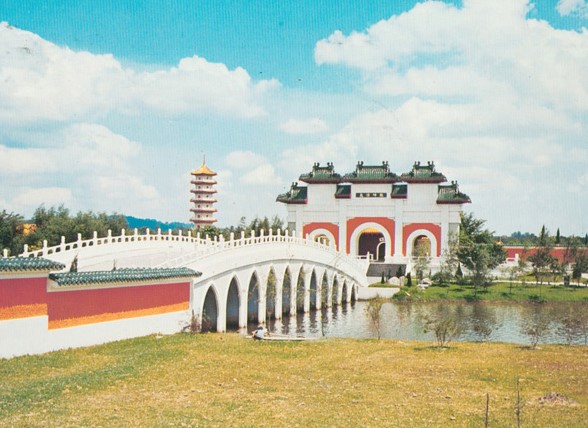
Few would know that Jurong, Singapore’s manufacturing and IT hub, used to be a remote swamp just a few decades ago. This massive transformation tells a story of how vision, determination, and ingenuity, formed the cornerstones of one of the most ambitious projects of modern Singapore.
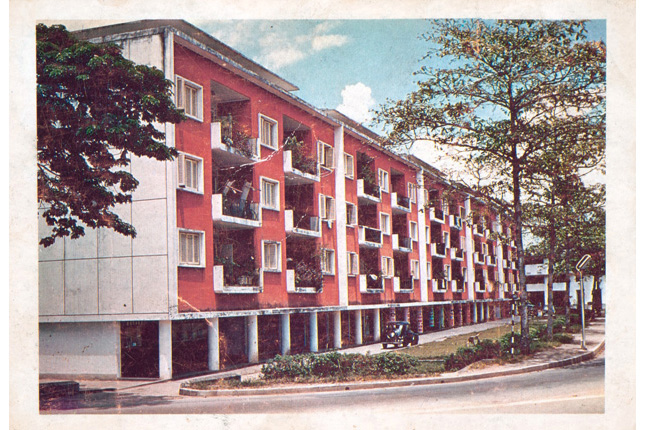
The Instagram-worthy neighbourhood of Tiong Bahru — where some apartments command $1 million in the resale market — was once swamp land. In the 1930s, the British-run Singapore Improvement Trust transformed it into a housing estate to address overcrowding in the colony. Replete with charming Art Deco blocks, Tiong Bahru has gone from strength to strength. In 2003 it was conserved by the Urban Redevelopment Authority and began attracting a new crowd. It also caught the eye of foreign media which accorded it titles such as world’s coolest neighbourhood.
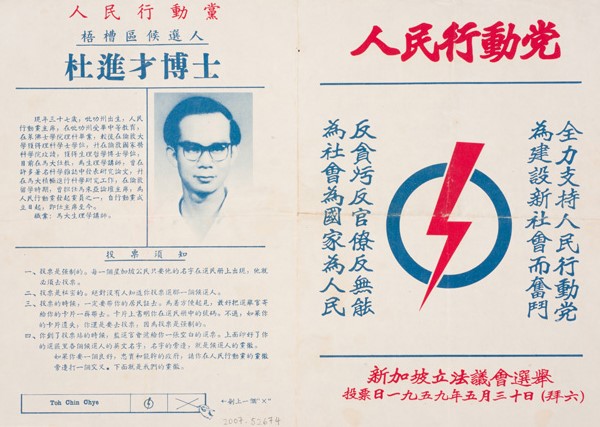
Dr Toh Chin Chye was one of the founding fathers of modern Singapore. He was the co-founder of the People’s Action Party along with Lee Kuan Yew, Goh Keng Swee and S. Rajaratnam, and served as its founding Chairman. Toh was also Singapore’s first Deputy Prime Minister, and was responsible for leading the committee in the design of the Singapore Flag, State Crest, and National Anthem.
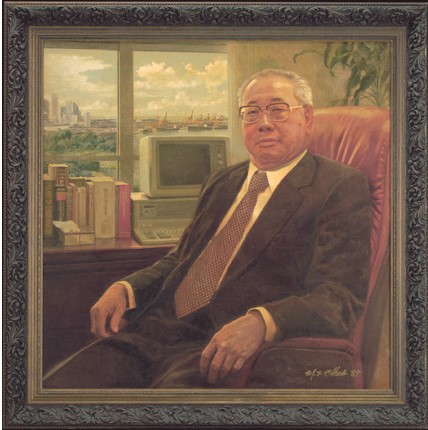
Known fondly as Mr. HDB, Lim Kim San was the first chairman of the Housing and Development Board from 1960, before he became the Minister for National Development in 1963.
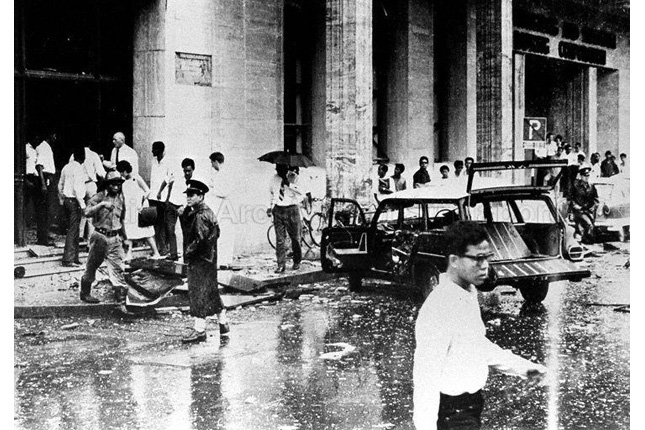
The MacDonald House bombing was the worse of the 42 bombings that occurred in Singapore during the period of Indonesian Confrontation or Konfrontasi (1963-1966).
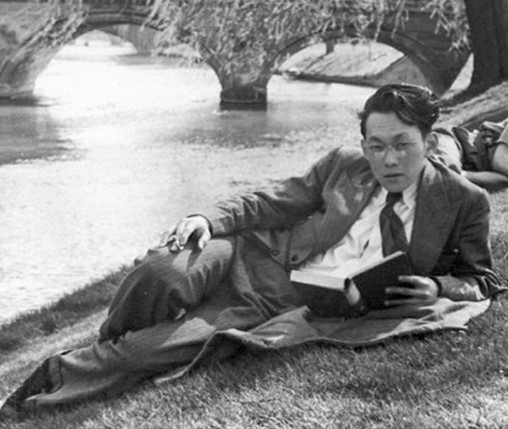
A tribute to Mr Lee’s contributions to Singapore, his international stature, and the ideals and convictions that shaped him and his generation of leaders.
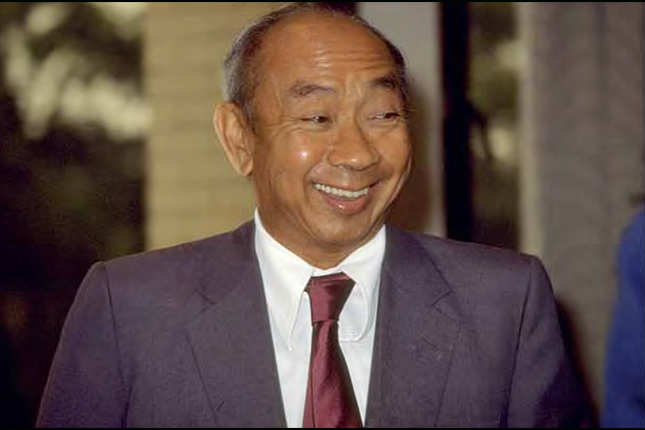
The passing of Dr Goh Keng Swee (1918–2010), who laid the foundation stones of Singapore’s economy and defence forces, has left the nation without one of its most well-respected citizens.