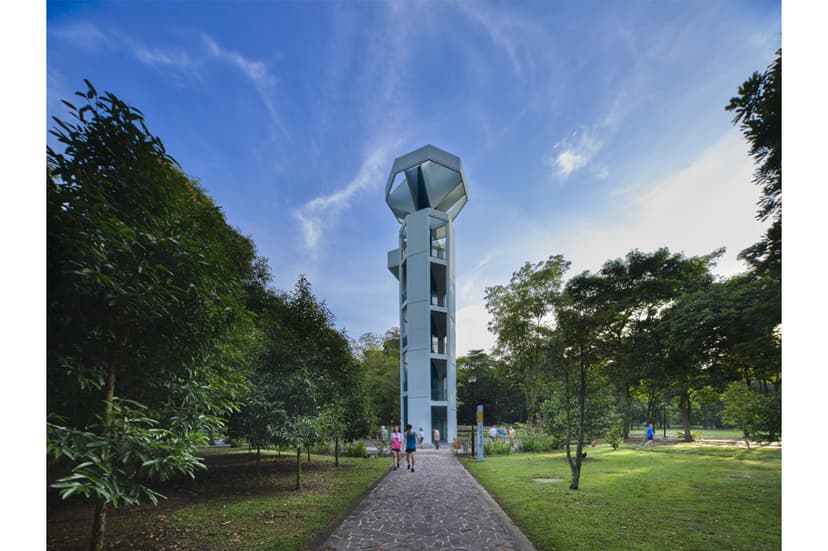
Known as a pioneering Housing & Development Board (HDB) town in the 1960s, Toa Payoh was originally swampland and plantation before it drew settlers who established kampongs and various cottage industries, as well as temples and institutions. This trail brings you to these iconic landmarks of rich heritage and community interest within this model HDB town.
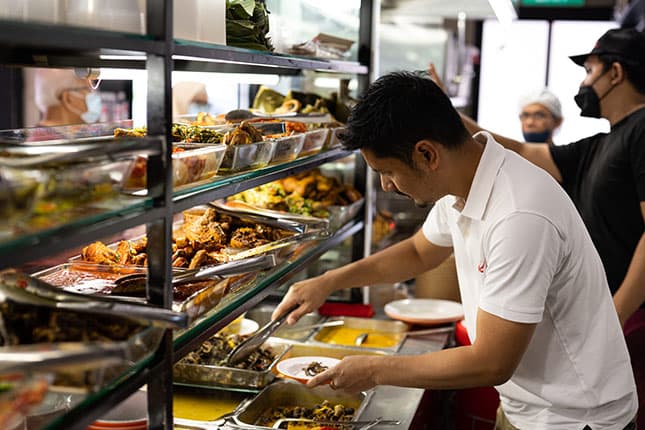
Kampong Gelam is a historic precinct that has been enriched by the diverse heritage trades and businesses operating in the neighbourhood. To document and celebrate the precinct’s heritage, NHB conceptualised the Kampong Gelam Citizen Engagement Project. Working closely with volunteers, the unique stories behind each heritage business was documented during this project—uncovering details of their journey, their craft and how they have contributed to Kampong Gelam’s cultural identity.
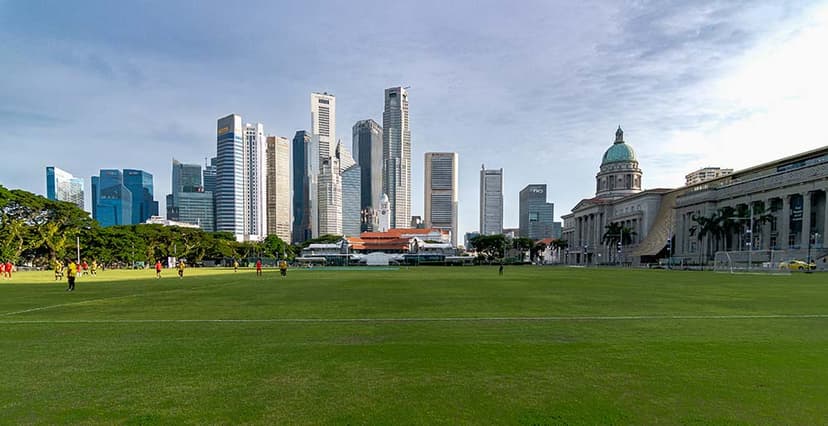
The Padang (‘field’ in Malay) is one of the oldest open spaces in Singapore and part of the area reserved for government use after the establishment of the British settlement in 1819.
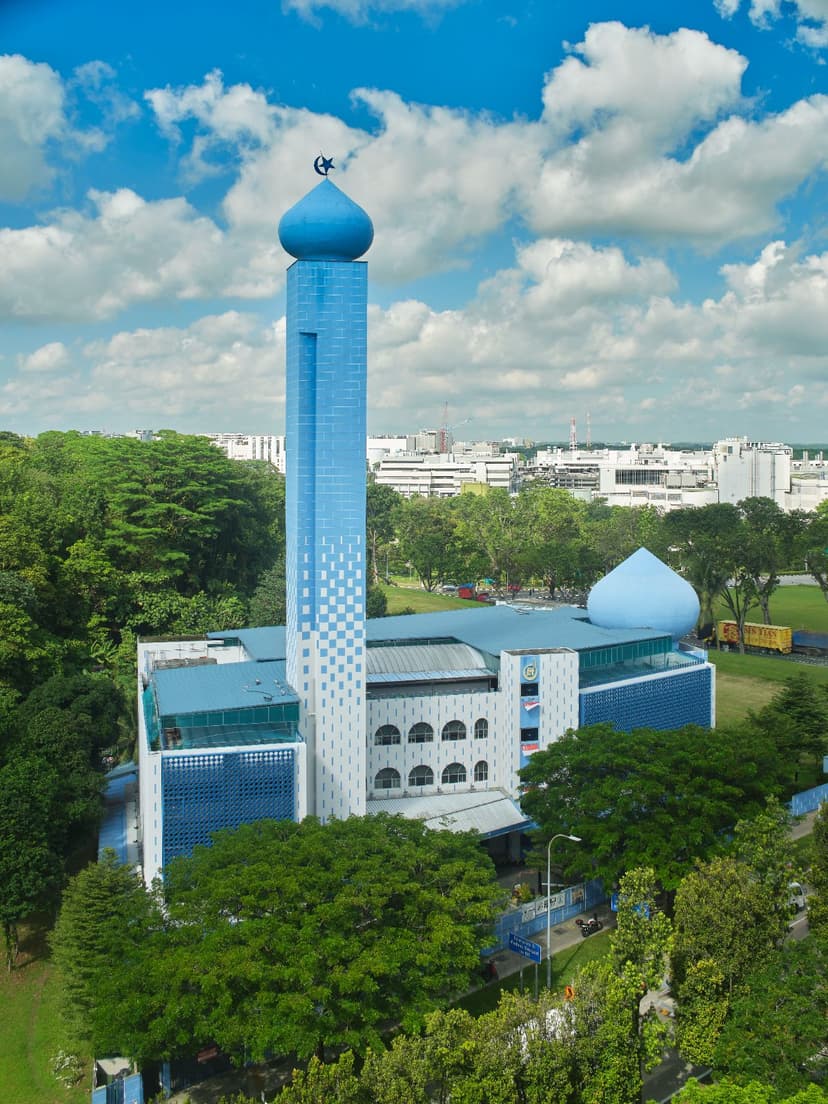
Despite its far-flung location in Singapore’s northern corner, Woodlands has been home to many communities who also set up institutions to cater to their spiritual needs. This trail introduces you to different religious institutions and community landmarks that originated in Woodlands and continue to serve residents today.
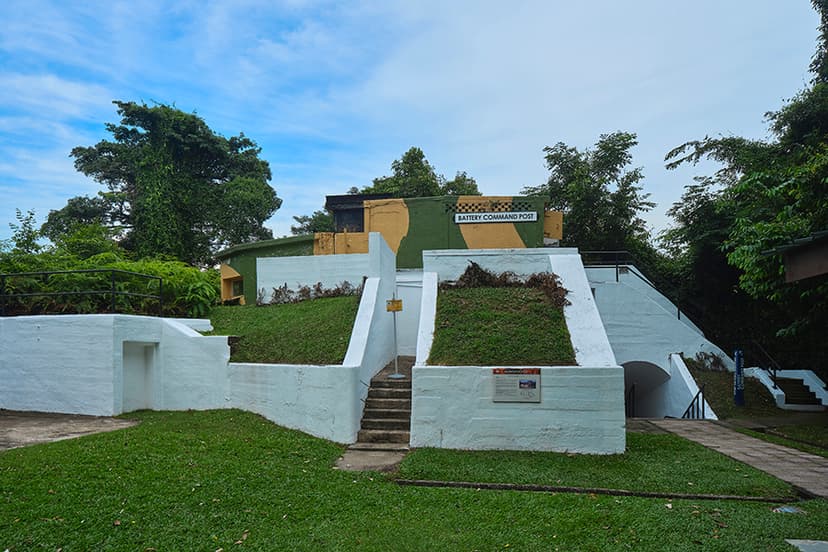
Located on the western tip of Pulau Blakang Mati (known today as Sentosa Island), Fort Siloso was one of the many coastal fortifications built around the 19th century by the British and remains the most intact fortification in Singapore. The Fort was built on Mount Siloso, where the name “Siloso” is said to be derived from a Malayan word meaning “rock”, a possible reference to the rock outcrops that once stood at the western entrance to the present-day Keppel Harbour.
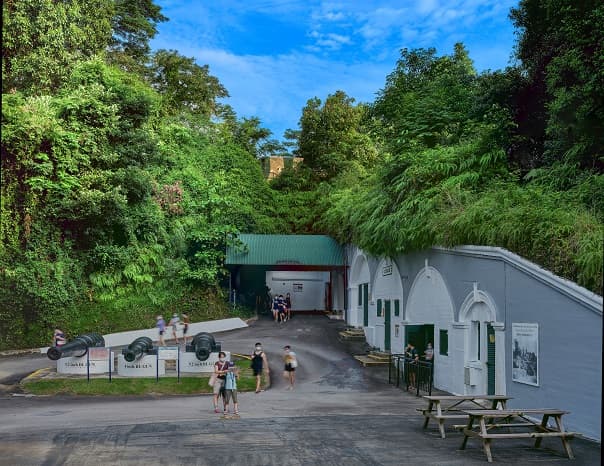
Since the 1970s, Sentosa has been a go-to leisure destination for its beaches and amusement joy-rides, parties, and concerts, as well as theme parks, and attractions. Before its modern incarnation as an island of fun, however, it was known as Pulau Blakang Mati –literally, “Death from the Back Island” in Malay.
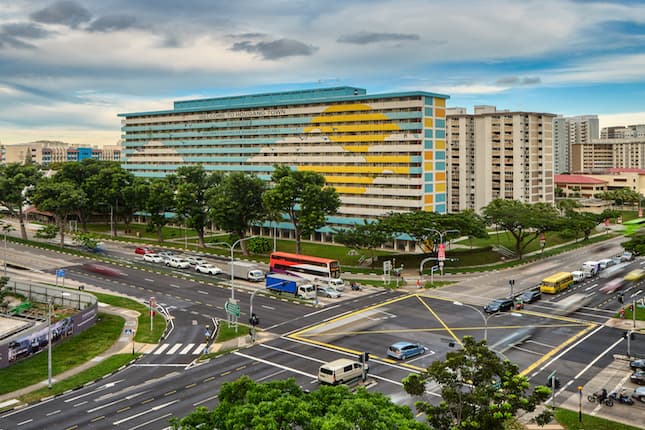
Mention “Hougang” and its Teochew enclave would probably come to mind and for a goodreason. Today, Hougang’s Teochew legacy can still be seen, from road names to institutions and landmarks that were established to serve the Teochew community.
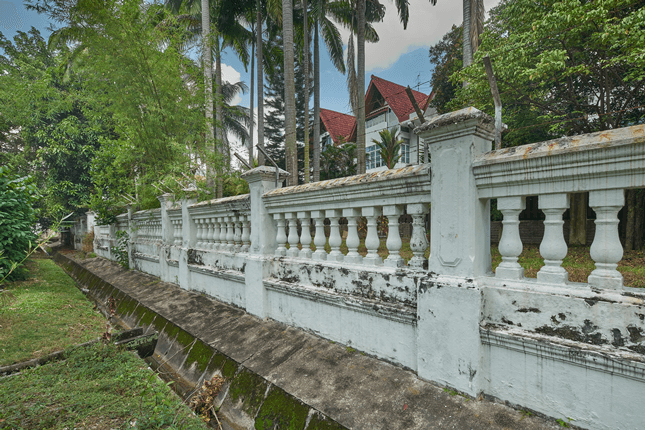
Like beacons from the past, old seawalls located in this area speak of the evolution of the East Coast's character and physical landscape.
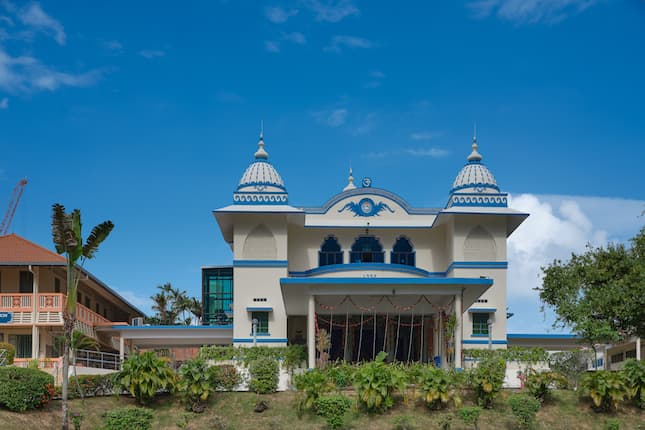
Established in 1928, Ramakrishna Mission Singapore focuses on advocating spirituality and social welfare. The mission purchased this site in 1941 to build a boys’ school. With the onset of World War II, the mission decided to construct a temporary wooden home for destitute and orphaned boys and by 1948, it was housing 77 children.
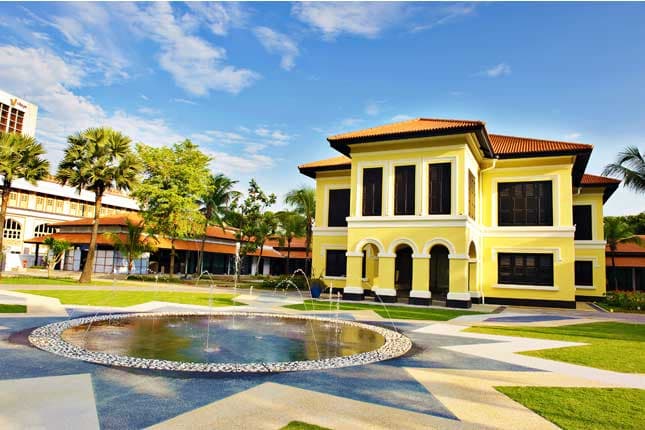
Within the historic district of Kampong Gelam lies Istana Kampong Gelam (‘Gelam Village Palace’). Once the palace of the Malay royalty and the seat of sultanate in Singapore, the Istana bears testimony to Singapore’s historical links to the Malay world.
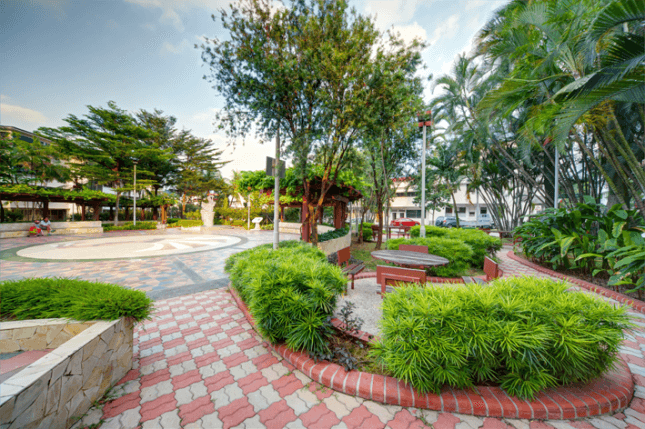
Tiong Bahru Road today stretches for more than three kilometres from Redhill MRT at its western end to Outram Road on its eastern end. For most Singaporeans, Tiong Bahru is a small, charming and chic housing estate awash with good eateries and eclectic little shops. But there is much more to Tiong Bahru than meets the eye, as this heritage trail shows.
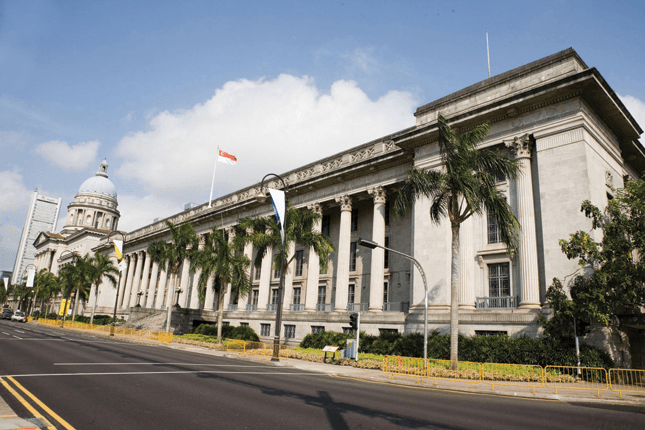
Located in the heart of the Civic District, the Former City Hall served as an important government office in Singapore. The impressive building bears witness to Singapore’s colonial past and the Japanese Occupation (1942–1945), as well as to several milestones on its road to independence.
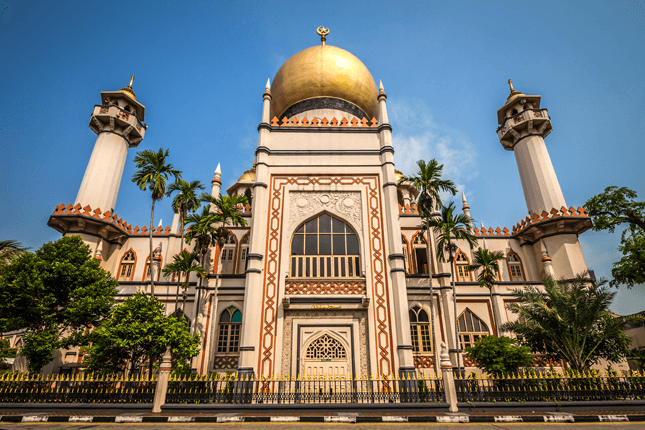
Formerly the royal mosque of the Sultan of Johor, Sultan Mosque represents the solidarity and unity of Muslims in Singapore. The impressive building serves as a reminder of the Malay royalty that was once housed in the nearby Istana Kampong Glam and the thriving Muslim communities living in the area during the British colonial period.
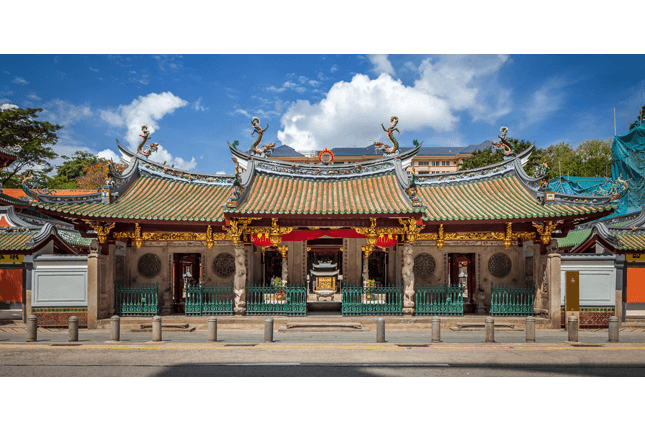
Thian Hock Keng (天福宫, ‘Palace of Heavenly Happiness’) is one of Singapore’s oldest Hokkien temples. It is located near Al-Abrar Mosque, Former Nagore Dargah, and Telok Ayer Chinese Methodist Church, standing on what used to be the shoreline of Telok Ayer Basin.
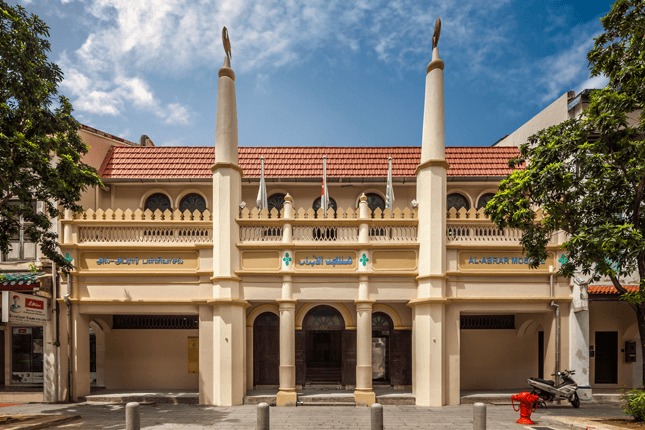
Located on Telok Ayer Street, Al-Abrar Mosque is one of Singapore’s oldest mosques. Also known as Chulia Mosque, the mosque serves as a constant reminder of the Chulia immigrants who once lived in the area and played a vital role in developing the budding economy of early colonial Singapore.
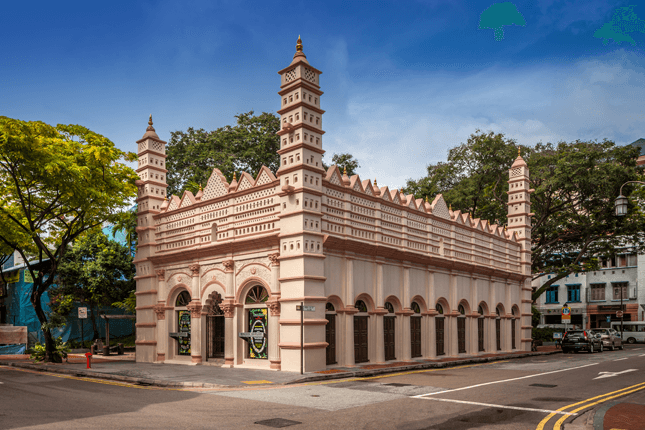
Erected by the Chulia community, this magnificent building testifies to their presence in Chinatown in the past and also to their contributions to early colonial Singapore's economy.
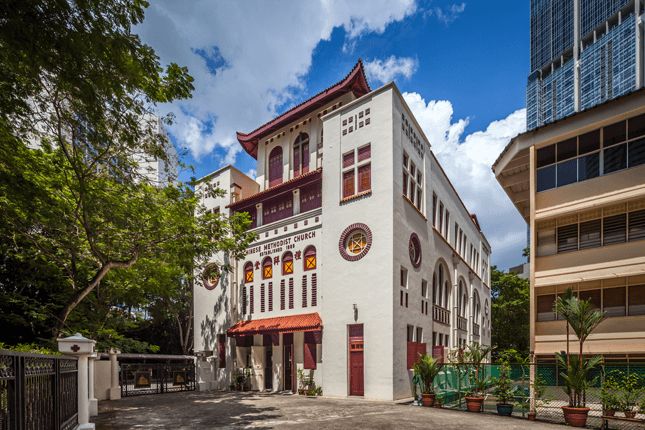
Originally known as the Chinese Methodist Church, Telok Ayer Chinese Methodist Church was the first church established to cater exclusively to the spiritual needs of the Chinese Methodist community in Singapore. It bears testimony to the growth and development of the local Methodist Church and also serves as a reminder of the contributions of early Christian missionaries in Singapore.
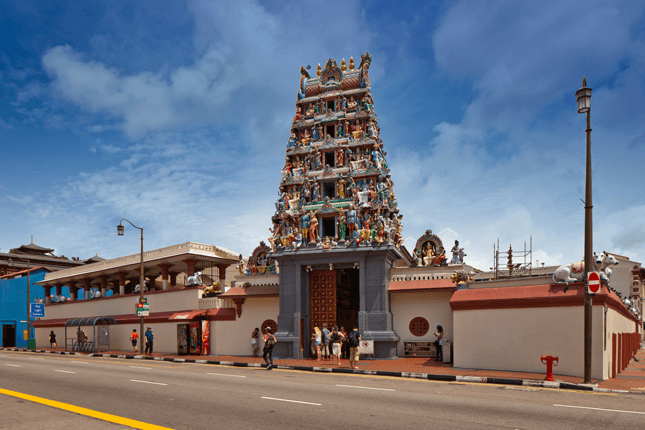
Together with Jamae Mosque, Sri Mariamman Temple – Singapore’s oldest Hindu temple – is an enduring icon on South Bridge Road which is a part of Chinatown. Both monuments testify to the significant Tamil population that once lived in the vicinity, and are constant reminders of their contributions to Singapore’s development as a British colony.
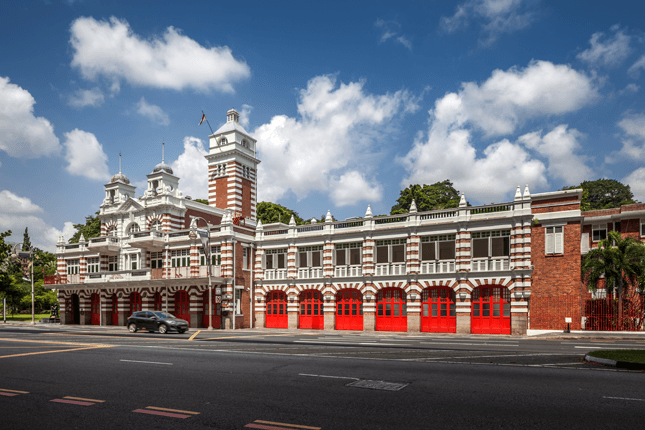
The Central Fire Station is the oldest surviving fire station in Singapore and is a living monument to the local firefighting force.
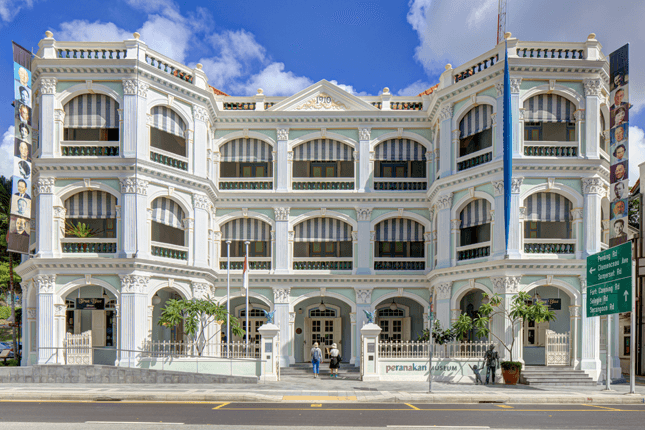
This was the first modern Chinese school in Singapore and one of the earliest of its kind in the Straits Settlements. The beautiful three-storey building is a testimony to the local Chinese community’s commitment to education and the modernisation of Chinese education in twentieth-century Singapore.
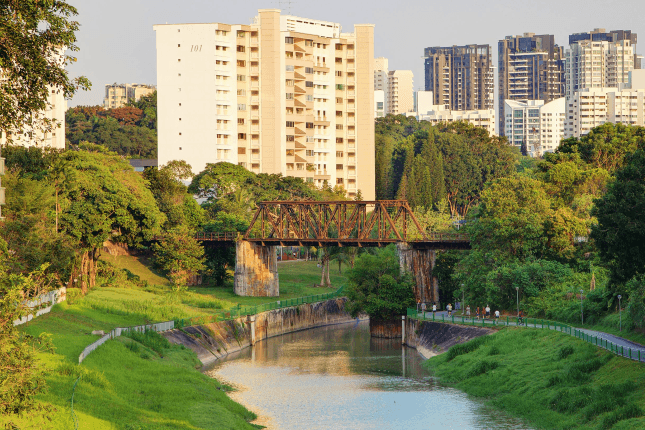
The Jurong Heritage Trail is part of the National Heritage Board’s ongoing efforts in discovering our shared heritage to document and present the history and social memories of places in Singapore. Explore the story of Jurong when it was formerly covered with plantations, and to follow its transformation into Singapore’s first industrial estate.
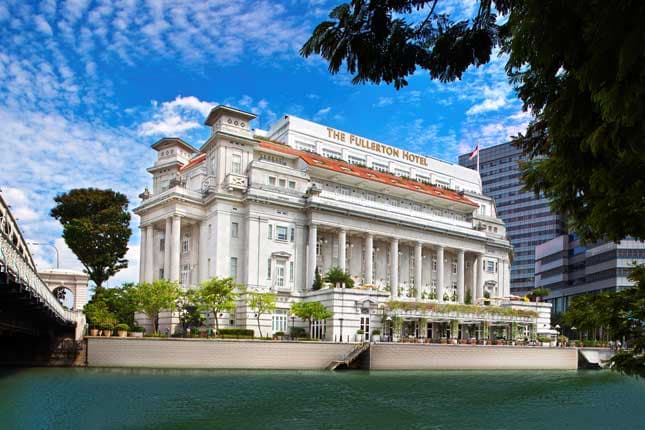
The former Fullerton Building is a prominent landmark situated at the mouth of the Singapore River. Most well remembered as the General Post Office (GPO) and having housed several government departments, this building has been a witness to many of Singapore’s milestones.
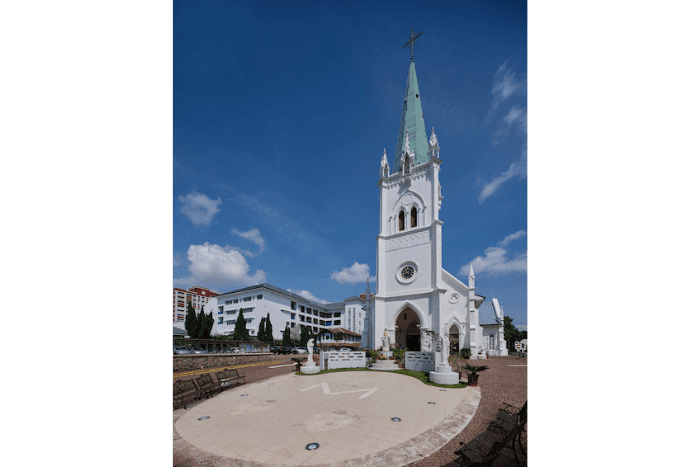
The Church of the Nativity of the Blessed Virgin Mary is the oldest place of worship in Hougang. Its history began in 1852 when Les Mission Étrangères de Paris (MEP) in France, sent its first missionary, Father Ambroise Maistre, to Hougang.