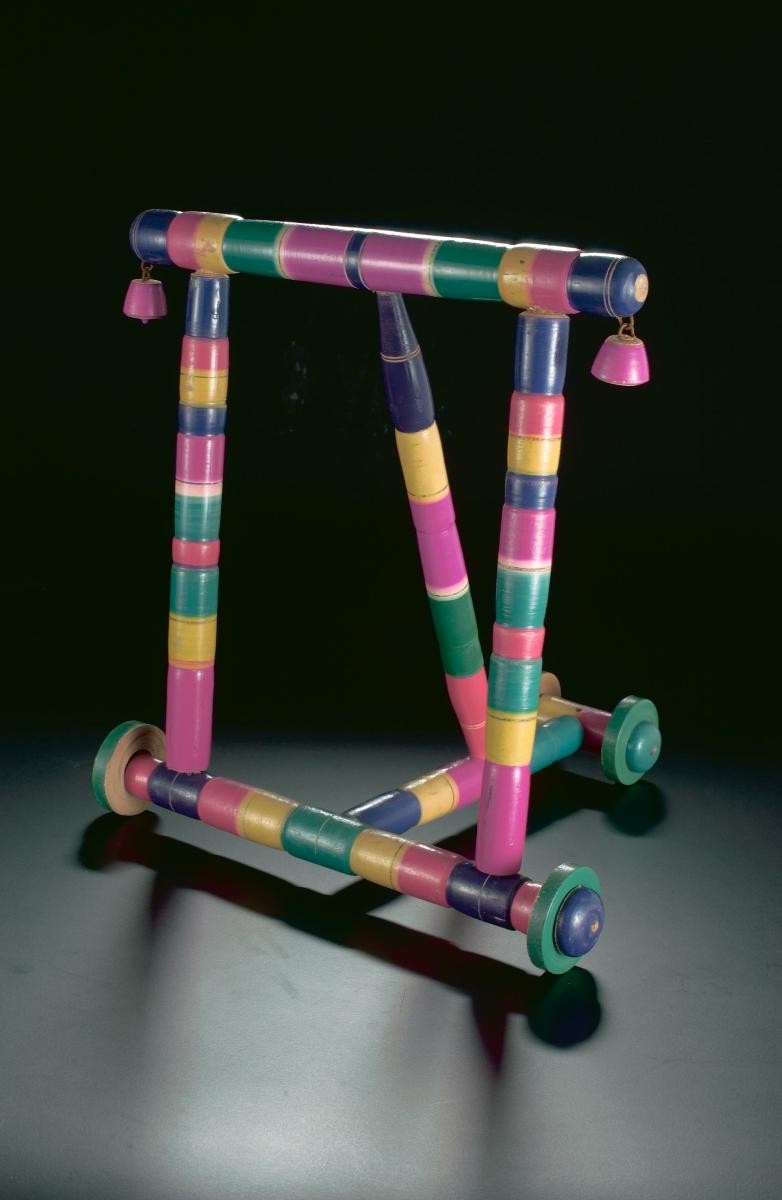

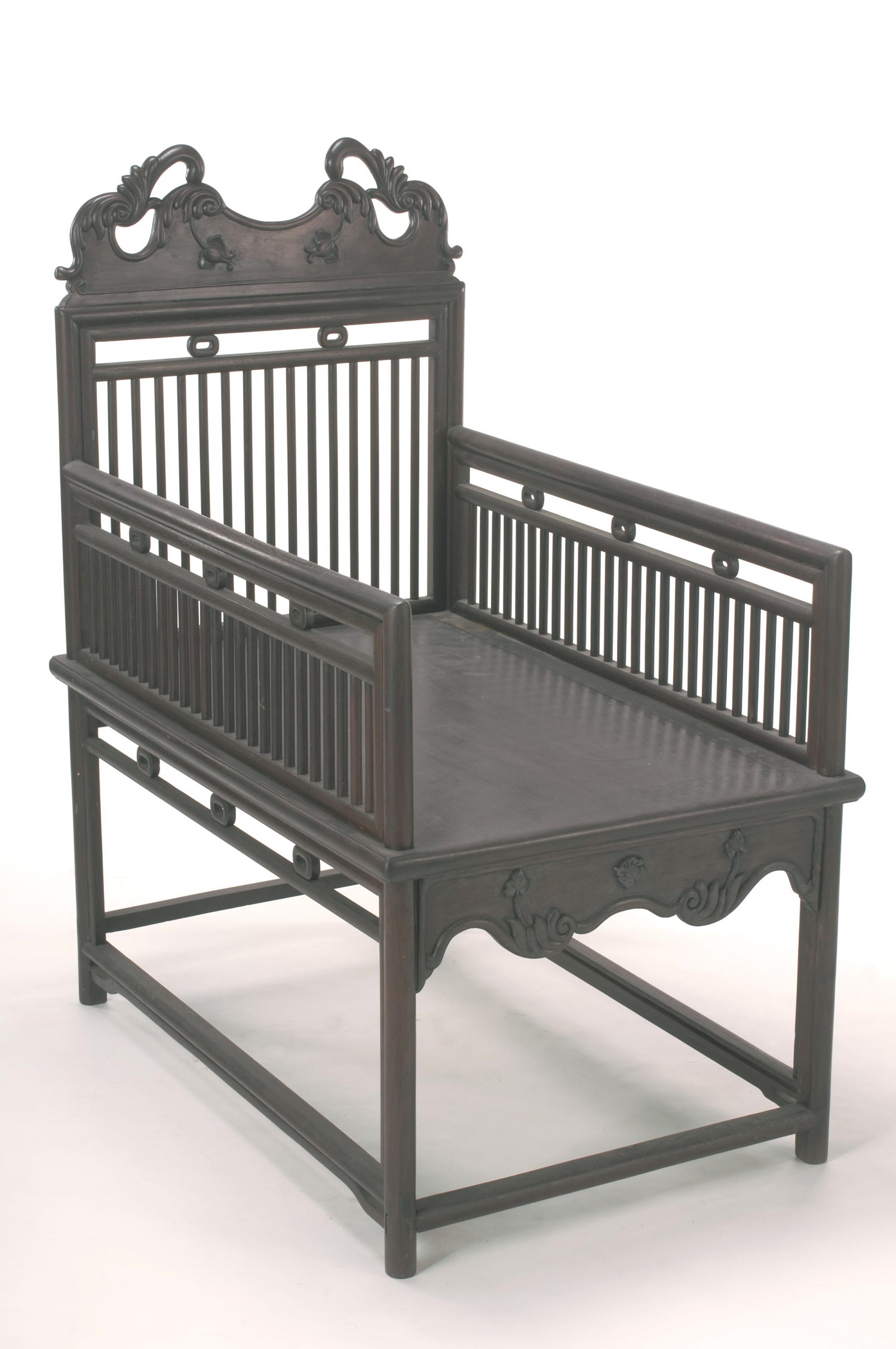
Fig.1: Overall view of the baby cot (F-0058). Collection of the National Museum of Singapore.
A historic baby cot (F-0058, National Museum of Singapore) Figure 1 had developed a cloudy white build-up across its upper surfaces, as shown in Figure 2. The deposit could be partially removed with solvent wipes, but its origin remained unclear. Was it material deterioration from within the cot? A degraded coating? Or something deposited from the surrounding environment?
Before any treatment could proceed, we needed first to determine what this white layer was and how it had formed. Identifying the material would help inform how the surface could be safely cleaned without affecting the original coating beneath. To investigate this, we began by examining the deposit under magnification.
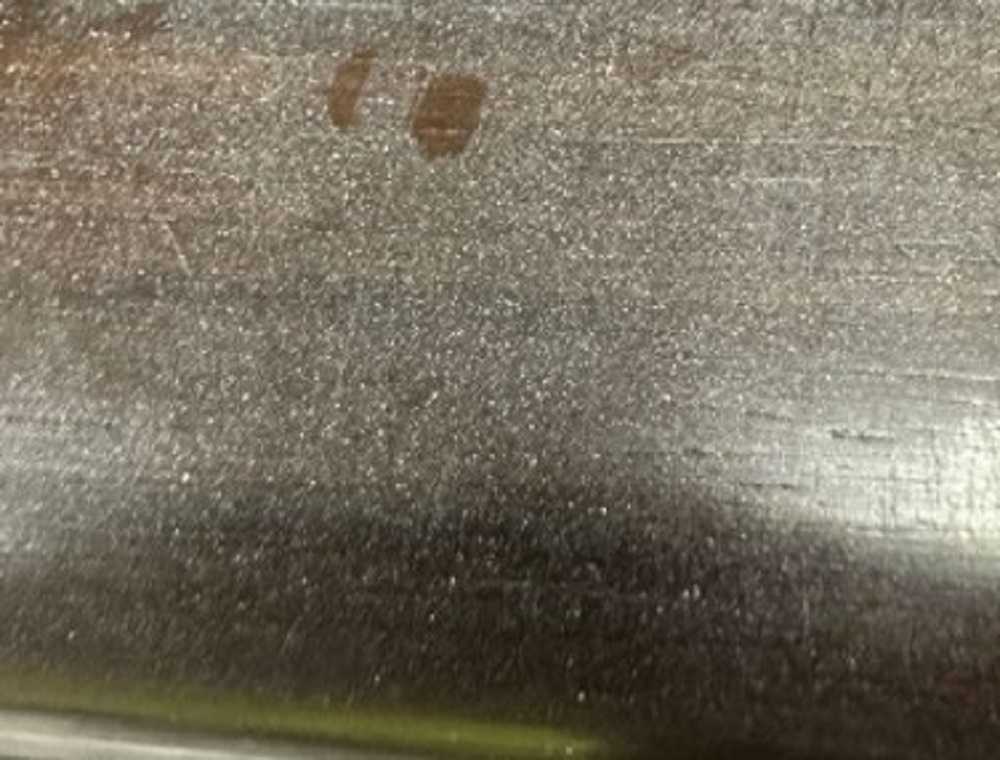 Fig.2: Cloudy white build-up visible on the upward-facing surface of the baby cot. Image courtesy of Heritage Conservation Centre (HCC), Conservation Science Laboratory.
Under magnification, the white layer did not appear as a continuous film. Instead, it consisted of fine, loosely resting particles scattered across the surface (Figure 3). Using a tungsten needle, which can be sharpened to a very fine tip, small particles were gently lifted for analysis. The particles detached easily, suggesting that they were deposited on top of the coating rather than emerging from within the material.
This distinction was crucial. If the material lay only on the surface, it could point towards external contamination rather than internal deterioration.
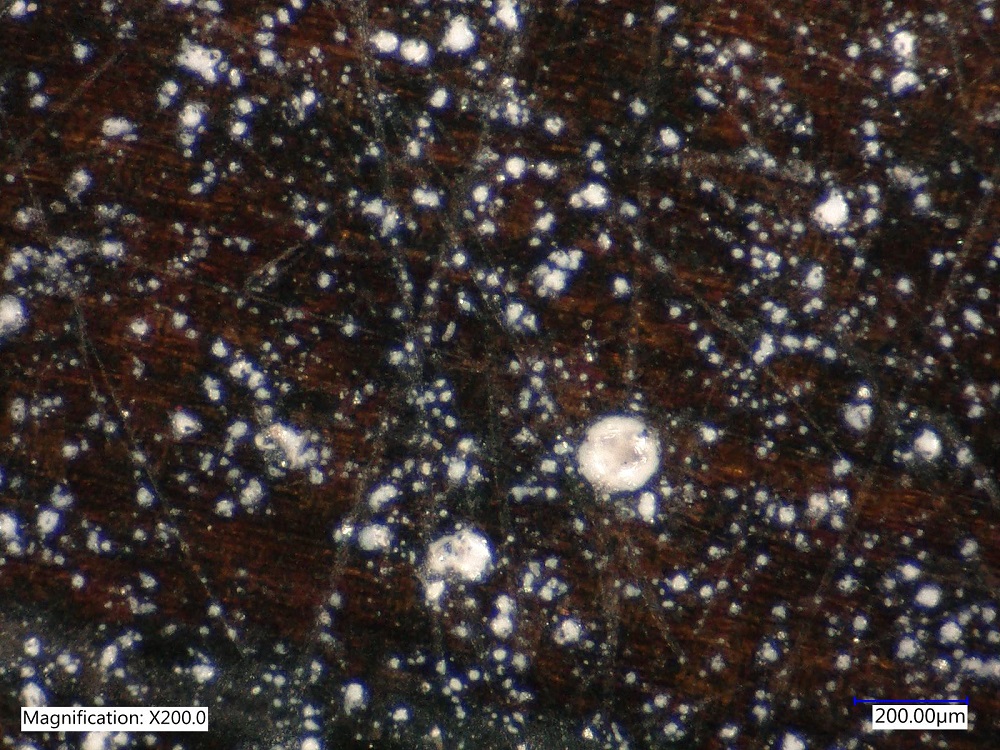 Fig.3: Under magnification, the white build-up appears as discrete particles rather than a uniform layer. Image courtesy of HCC.
What Is It Made Of?
To identify the material, the particles were analysed using scanning electron microscopy with energy dispersive spectroscopy (SEM–EDS). Imaging revealed that each particle was composed of a darker organic-based material with small bright spots embedded within it (Figure 4). These brighter areas represent particles containing heavier elements such as metal-rich fragments.
Elemental analysis detected titanium together with oxygen, consistent with titanium dioxide, a common white pigment used in modern paints. Calcium and sulphur were also present in overlapping regions, indicating calcium sulphate, likely gypsum (Figure 5). Small iron-rich fragments were observed as well, possibly representing incorporated dust.
Further analysis using Fourier transform infrared spectroscopy (FTIR) showed strong similarity to an alkyd resin reference. Alkyd resins are synthetic binders widely used in oil-based paints.
Taken together, the results are consistent with a modern alkyd-based paint overspray containing titanium dioxide pigment, rather than efflorescence originating from within the cot itself. The pattern of deposition, which occurs mainly on horizontal, upward-facing surfaces, further supported the interpretation of airborne fallout rather than material degradation.
 Fig.4: High-magnification electron microscopy image showing paint particles made up of an organic base (darker areas) with embedded pigment particles and metal flakes (bright white spots). Image courtesy of HCC.
 Fig.5: Element mapping showing spatial overlap of calcium and sulphur (outlined), consistent with calcium sulphate. Image courtesy of HCC.
A Hidden Layer Beneath
As the identity of the surface deposit became clearer, subsequent cleaning tests also revealed something unexpected.
After the white build-up was removed, ultraviolet examination revealed a greenish-yellow, fluorescent coating on the surface (Figure 6), suggesting that another material was present beneath the deposit.
Solvent testing showed that this fluorescent coating was unaffected by ShellSol, a mild solvent commonly used in conservation cleaning but dissolved in acetone. FTIR analysis of the acetone extract suggested that the underlying coating was likely nitrocellulose, a material historically used in lacquer coatings and surface finishes.
Nitrocellulose coatings can be sensitive to certain solvents and may change with age, meaning cleaning methods must be carefully selected to avoid disturbing the original finish.
These observations indicate that the baby cot retains an underlying nitrocellulose coating that was partially obscured by later alkyd paint deposition.
 Fig.6: Greenish-yellow fluorescence (outlined) observed under ultraviolet light after removal of the white surface deposit. Image courtesy of HCC.
Why It Matters
What first appeared to be simple white dust turned out to be a complex surface history.
Scientific analysis allowed us to differentiate between external paint deposition and possible material deterioration, identify embedded environmental debris, and reveal an underlying historical coating. These insights guide conservation treatment by helping conservators select cleaning approaches that remove later deposits whilst preserving the original surface finish.
Sometimes a thin layer of white powder is more than just dust. It is a record of an object’s environmental journey, waiting to be understood.