
TL;DR
Once an important venue for aid and assistance for the swathes of men arriving from the Jinjiang (晋江; Chin Kang) county in Fujian, China, the almost century-old Chin Kang Huay Kuan association building in Bukit Pasoh now tells the story of the grim fate the men endured as indentured labourers.
Association president Jimmy Teo walks MUSE SG through the clan's new heritage gallery, and shares about his family's ties to the coolie trade.
Congratulations on the opening of the Chin Kang Gallery, Jimmy! Can you share with us why it’s a must visit and what the reception has been like since its launch last October?
As an avid traveller, I love exploring the history of a country, visiting its old buildings and learning about its people, its war experiences and its revolutions. Our gallery, which sits on a beautiful old road—Bukit Pasoh—tries to achieve some of this. It offers visitors information on our clan’s significant milestones and the stories of our community in sync with the development of our city. The road itself is home to a number of historic clans just like ours and is a treasure trove of old stories which will excite historical buffs and cultural hunters.
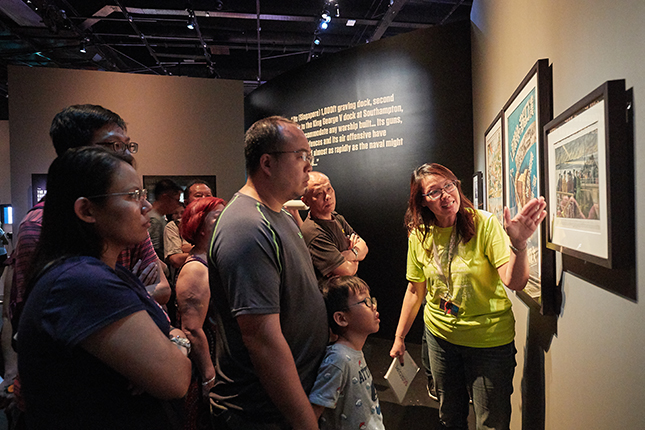
Located on the fourth storey of our building, our gallery has eight exhibition zones. We cover the incredibly hard lives and times of coolies—a large number of whom were from the Jinjiang county of Fujian province in China; our clan’s anti-war role in the lead up to the Japanese Occupation in the 1940s; and the years we ran a school within our humble premises—our institution catered to 500 students at its peak!
So far, we’ve welcomed tourists from Europe and Australia as well as students from local schools.
Setting up the Chin Kang gallery in 2023 was a culmination of five years of planning and two years of hard work. Our team comprised eight volunteers including our appointed curator.
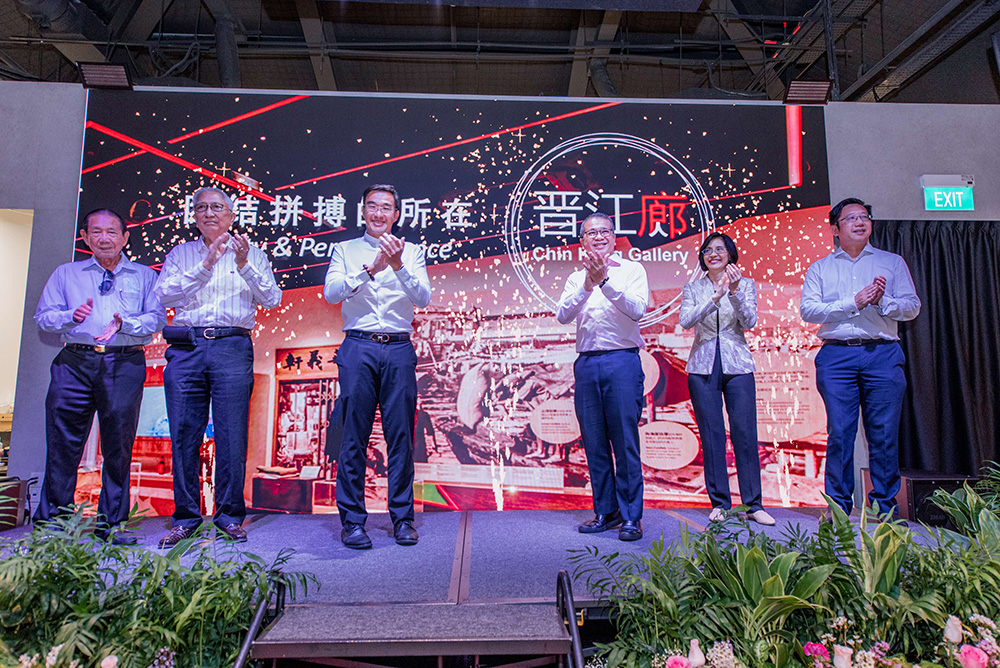 Jimmy, third from left at the launch of the Chin Kang Gallery on October 12, 2023. The launch was officiated by Mr Edwin Tong, Minister for Culture, Community and Youth (third from right) with other guests-of-honour such as Ms Chang Hwee Nee, the CEO of the National Heritage Board. (Photo courtesy of Chin Kang Association)
The gallery isn’t static. This is but our first generation of exhibits. We will be refreshing our displays and running public donation drives for community artefacts complementing our gallery’s themes.
We’ve also been hosting community gatherings within the space during special holidays and events like Chinese New Year and the Dragon Boat (Duanwu) Festival and will continue to do so. Our heritage gallery is the perfect space to embrace living culture while immersing yourself in the heritage and culture left behind by our forefathers.
Can you share with us something surprising which your team unearthed while doing research for the gallery? What are some of the little-known stories of the clan which you’re eager to share with the wider public?
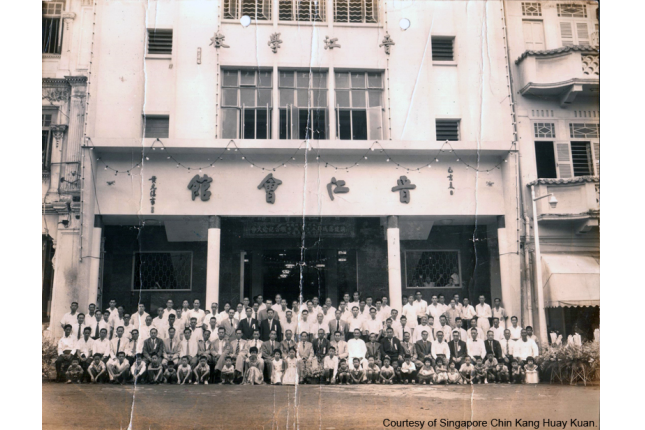
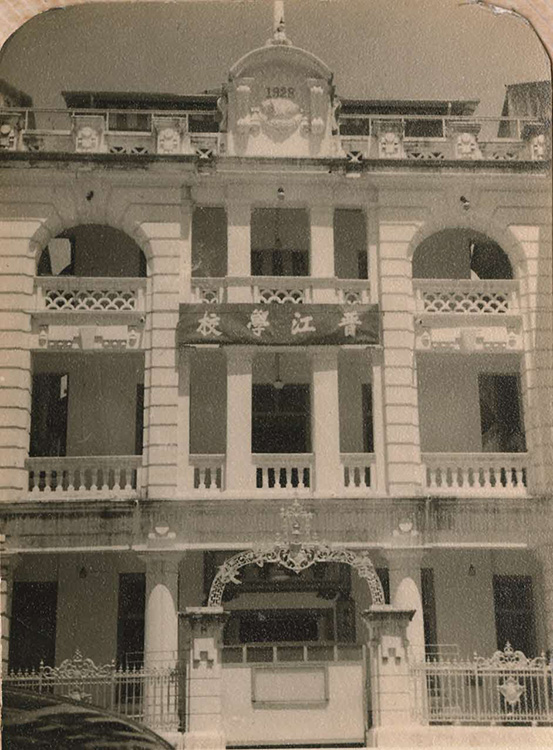
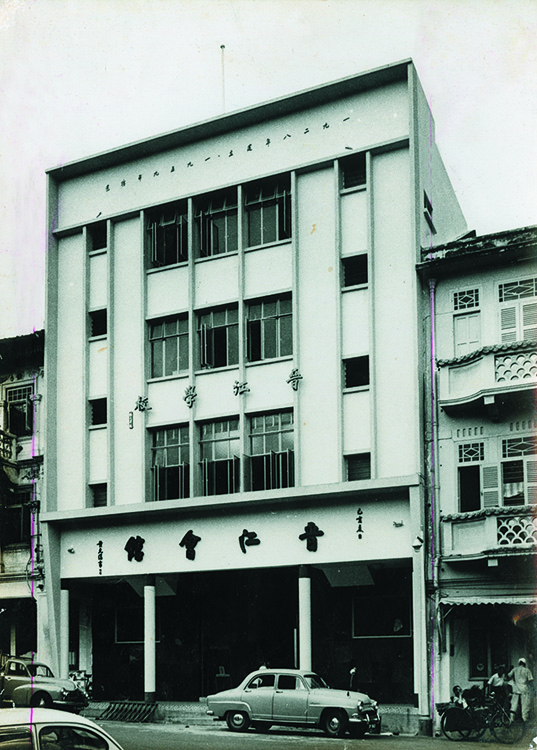
Some of the more intriguing historical anecdotes are associated with our building which was completed in 1928.
Lin Wen Xia, the seventh sister of war hero Lim Bo Seng, got married at our association’s Jinjiang Guild Hall in September 1940 to Chen Zhen Qing, the son of a Jinjiang merchant. More than 400 people attended the wedding. Hotel ballrooms weren’t as numerous in the past so it was common for couples and their families to hire event spaces at associations like ours for wedding receptions.
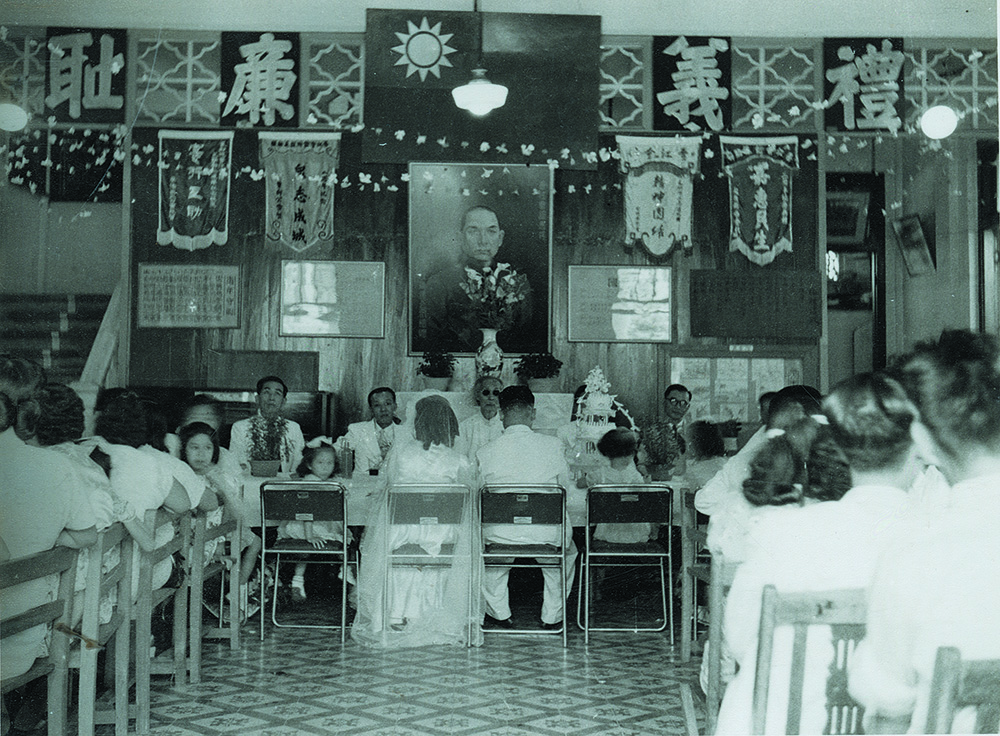
A wedding ceremony at the Chin Kang Huay Kuan Jinjiang Guild Hall on the first floor of the building in January 1950. Photo courtesy of Peng Lee Er.
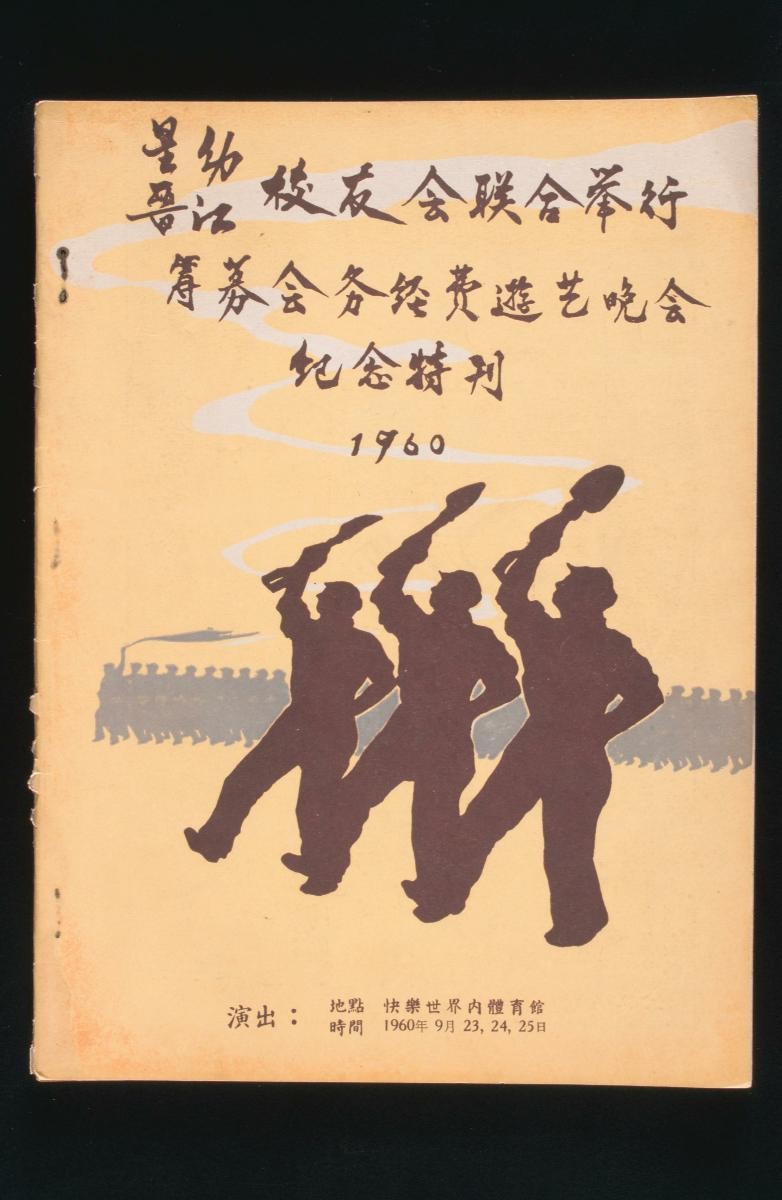
The building also has a darker side, stemming from heroic attempts to resist the Japanese invasion. Before Singapore fell on February 15, 1942, our chairman, Hong Baozhi, played a brave role in resistance efforts. He allowed our venue to be used as the general headquarters of the Singapore Overseas Chinese Anti-Japanese Volunteer Army and for other anti-Japanese mobilisation activities led by individuals such as businessman and philanthropist Tan Kah Kee. Hong also allowed journalists and writers like Yu Dafu to work out of our building. These men published scathing news reports and commentaries exposing the agenda and condemning the brutality of the Japanese Army.
“When Singapore fell, the Japanese Army, furious with our resistance efforts, destroyed and burnt our documents, furniture and cultural items. Then they turned our building, alongside the building next door, into a comfort house. It was extremely devastating but it wasn’t something we could stop.”
We’re grateful that Hong, our chairman, escaped unscathed after nearly being shot in his head. The full story on how he managed to survive is on display in our gallery.
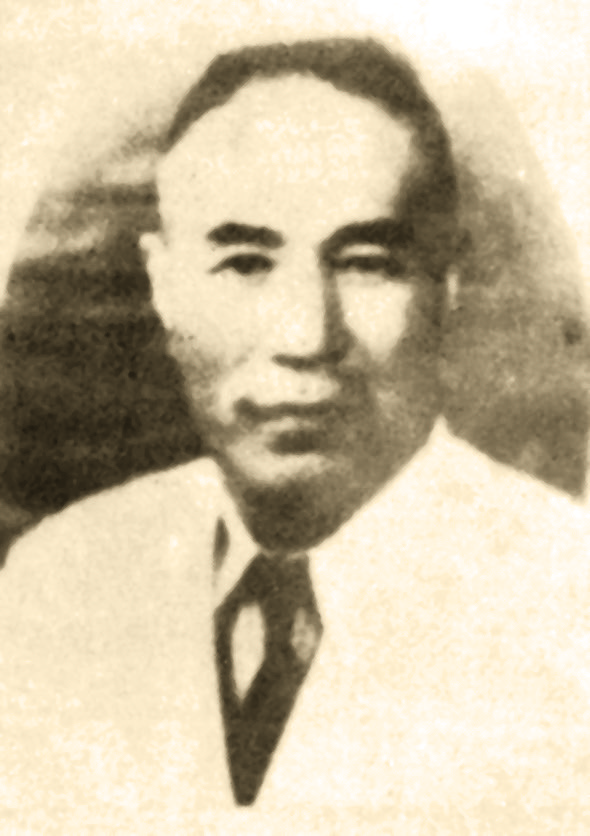
The clan’s chairman, Hong Baozhi, allowed the association’s Bukit Pasoh premises to be used for war resistance efforts, thus incurring the wrath of the invading Japanese Army and risking his life. (Year unknown. Source: Chin Kang Association’s 60th Anniversary special publication, 1978)
After World War II, we embarked on a year-long major clean-up operation. While we now live in a safe country, it’s not something we should take for granted.
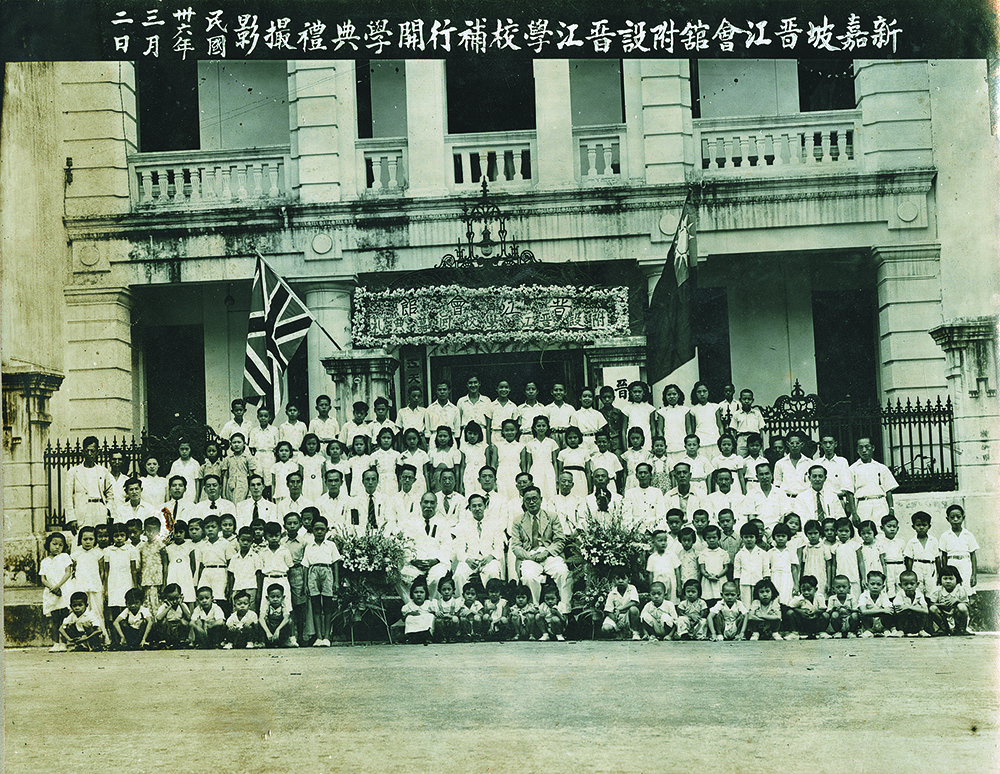
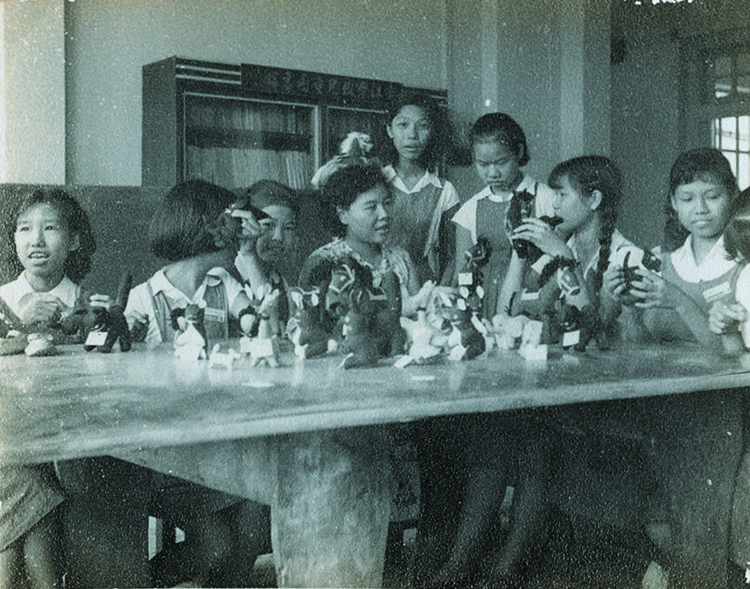
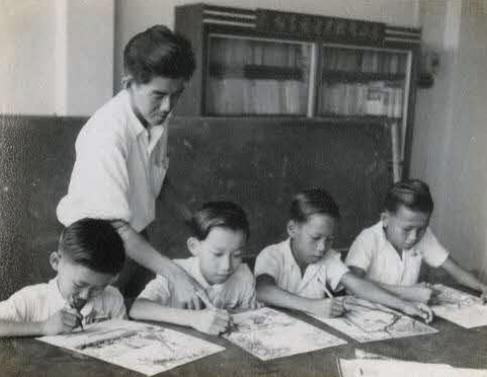
Not many will know this, but after the war, we transformed the association into a learning space for the thousands of unschooled children whose education had been disrupted by the war. In 1947, we opened our doors to equip them with language, mathematics and science skills. We Hokkiens love to support educational endeavours as we believe it’s a way to leap forward. Other clan-established schools, such as Tao Nan and Ai Tong, also emerged as part of the post-war rebuilding efforts. Looking back, my forebears did a lot for society—around 20,000 students received their education over the school’s 28 years of operation.
What’s your personal story and link to the Jinjiang people and the association?
It all started with my grandfather, Teo Seow Eng, who moved to Singapore from Jinjiang county in Fujian province in the 1950s. Jinjiang is a city next to the sea. Due to internal unrest like wars and riots in the 1920s, many were desperately poor and men risked being conscripted to fight in the army. To escape these hardships, tens of thousands fled southwards to places like the Philippines, Indonesia and Singapore to find work.
The majority of Singapore's early Jinjiang immigrants worked as indentured manual labourers, commonly referred to as coolies. The Jinjiang people formed one of the largest coolie groups in Singapore at the time, and the Singapore Chin Kang Huay Kuan was established to support them. Upon arriving in Singapore, my grandfather, who had some basic writing skills, was assigned clerical work by his bosses. Outside of his day job, he served as a community leader at the association, and helped write letters and petitions on behalf of his fellow immigrants.
Occasionally, my grandfather’s community work took him beyond the desk. Some Jinjiang fishermen, who relied on their boats for income, would sometimes drift into Indonesian waters by accident and get detained by the authorities. Many of these fishing families were extremely poor. My grandfather, out of his own pocket, would hire a boat to Indonesia, negotiate for the return of the confiscated vessel, and then arrange for it to be towed back to Singapore.
I grew up with my grandparents in an old semi-detached house in Katong. I vividly recall a commotion when I was about five, after one such successful intervention. While my grandfather was on the way home from Indonesia, my grandmother had accepted a lavish feast from the grateful family he had helped. They had sent us meat such as pig trotters, a rare luxury at the time. My grandfather was really furious that my grandmother had accepted food from such a poor family, and, true to his principles, insisted we return the spread.
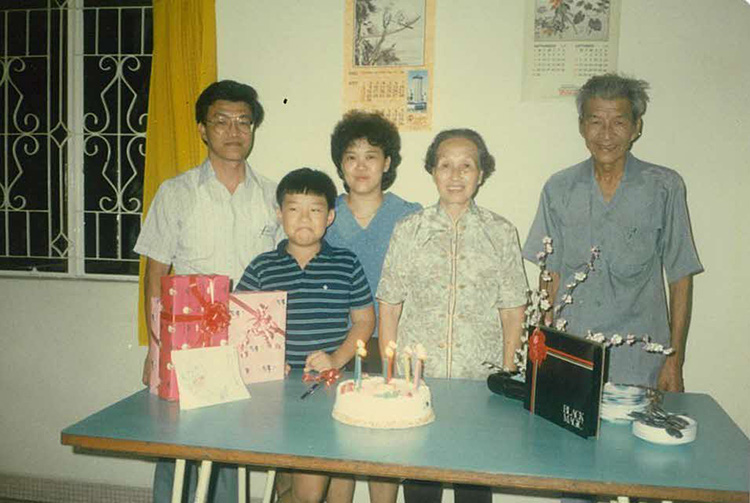
When I joined the Singapore Chin Kang Huay Kuan in 1997, I began reconnecting with older clan members who knew my grandfather. That’s when I got a fuller picture of the depth of his character and the breadth of his voluntary work with the association. For example, I learnt that he personally provided regular financial aid to a family whose breadwinner was killed by a bomb during the war. He also channelled money to school building projects in his hometown to educate new generations of Jinjiang children.
“I knew there and then that I wanted to carry on my Ah Gong’s legacy. It was also because of him and the many others like him that we decided to build this gallery. Their lives were centred on quietly helping their fellow villagers, as well as the generations after them. As a clan, we feel that their stories and sacrifices are important to document and share as they offer us a window into the past and provide a more detailed picture of the Singapore story. “
A fair number of Singaporeans who grew up in the 1980s and 1990s are familiar with the coolie story, having watched local dramas which depicted their journeys to Singapore in the belly of ships for a life of toil. How would you present the story of the coolie to new generations of Singaporeans?
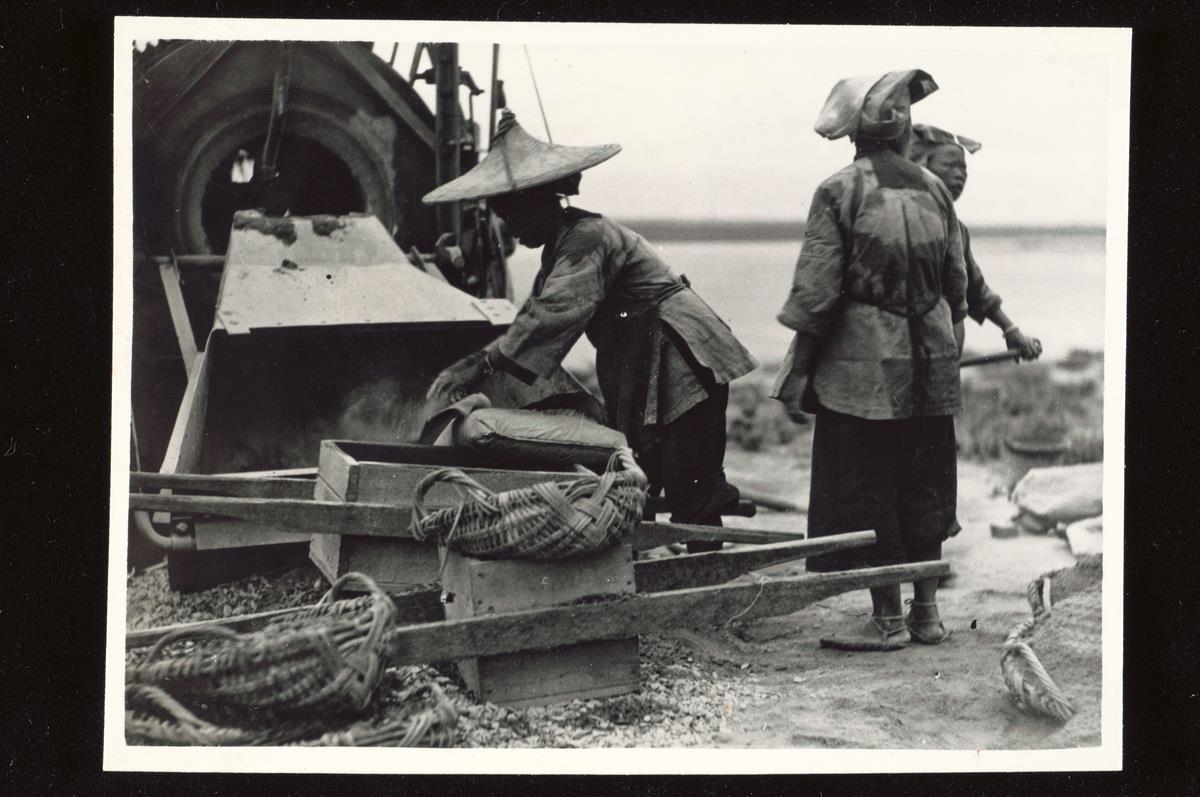
Unlike most workers in Singapore today, coolies had no insurance, workplace benefits, or access to physiotherapists. And they had the hardest jobs. They worked backbreaking 24-hour shifts hauling, handling and carrying 100-kilogramme loads of grain, corn, pepper, spices, tea and the like. Machines were scarce, with no cranes or robots to ease the burden on workers. There were simply no shortcuts.
At the end of their shifts, coolies returned to damp, tiny and overcrowded quarters in Amoy Street and Telok Ayer where they slept on canvas sheets on the floor.
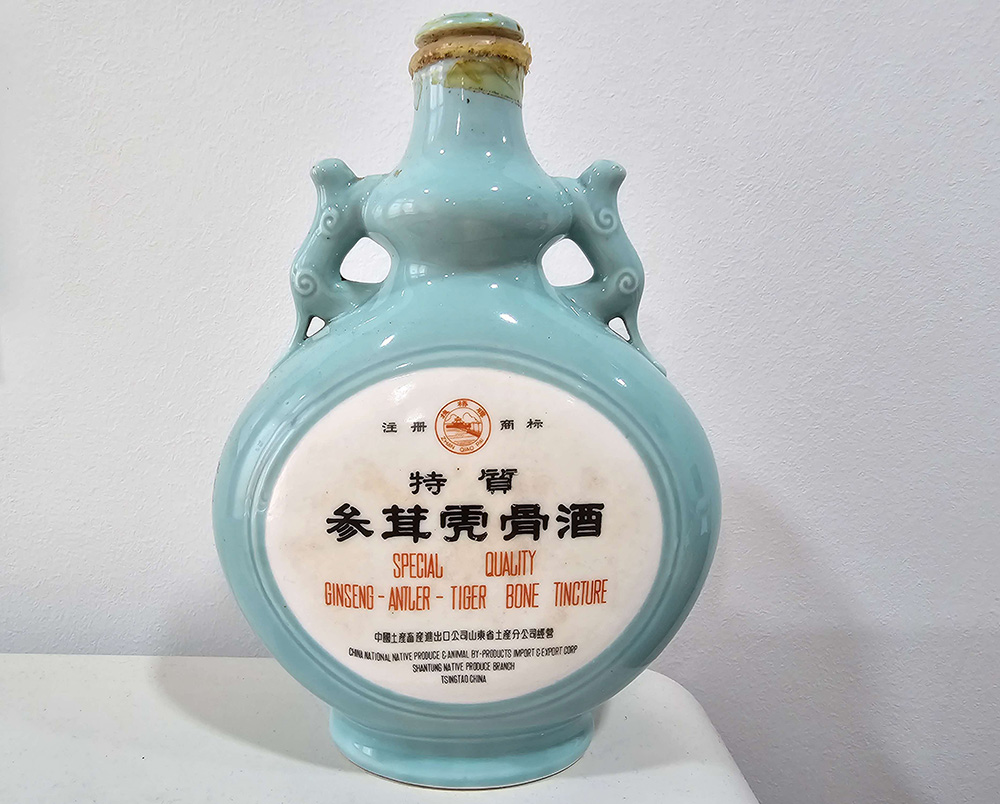
To soothe aches and sprains, they used ointments on their joints. Tonic tincture was one of the few items they brought along with them from China. However, herbal tonics were not always effective. To dull their pain whether at work or rest, many turned to opium.
Today we’re still in contact with about 10 coolies with Chin Kang roots. Many others have passed on, which is why we put together a gallery focused on retelling the coolie story. No such dedicated gallery exists in Singapore and it’s important we capture the coolie account for new generations of Singaporeans to familiarise themselves with a key chapter of our history.
What are some of your favourite coolie artefacts in the gallery? What do they tell you about the coolies’ work ethic?
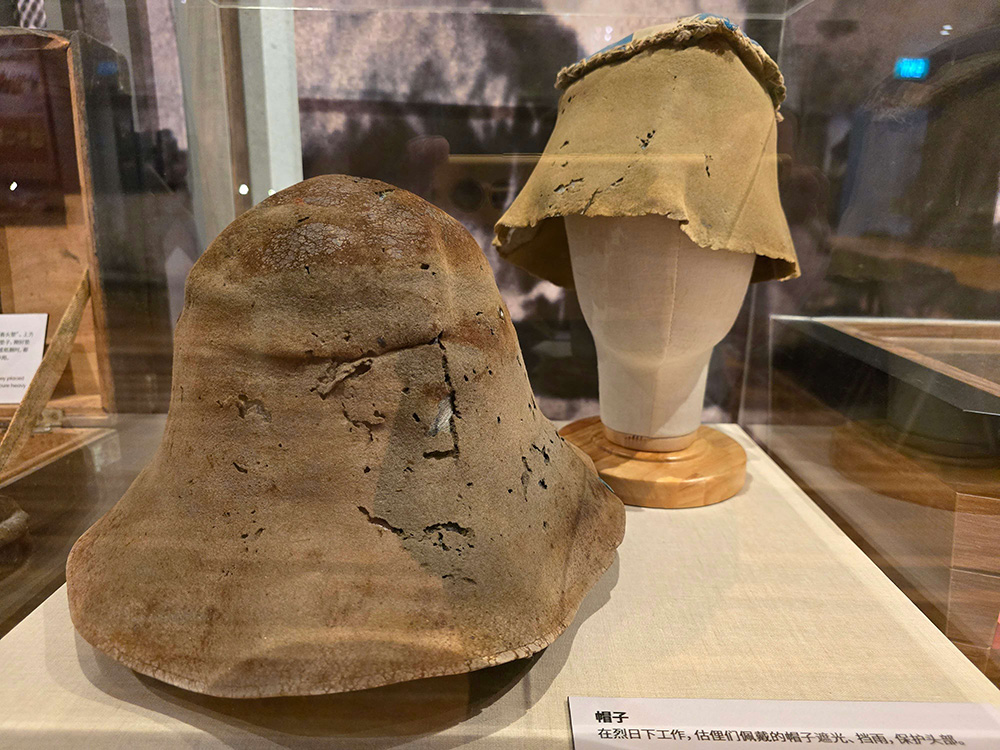
We've a weather-beaten hat on display, someone's old blue work overalls, and a typical wooden box which coolies used to store their handful of belongings. On colder nights, they used gunny sacks as blankets.
Coolies were paid based on the number of bags they carried. Upon ferrying one bag, they were given a stick which they could exchange for a few cents at the end of each shift. There were three types of coolies who worked along the Singapore River—the ones who loaded items from the big ships onto smaller ships, another group which took over the journey of a product from smaller ships to land, and a third group which hauled items from land to the warehouses in the area.
We are very blessed because some of our members who were former coolies donated their tools and equipment to our association before they passed on. They used iron needles to mend torn gunny sacks and shovel pipes to collect samples and examine goods.
Many of the items on display tell the story of a hard, cruel life centred on work and very little rest and recreation. Our artefacts are accompanied by text, images and videos to help visitors vividly experience and intimately connect with the tireless spirit of Singapore’s Jinjiang pioneers.
This project was supported by the National Heritage Board’s Major Project Grant.
The Chin Kang gallery is located on the fourth floor of the Chin Kang Huay Kuan (Clan Association) building at 29 Bukit Pasoh Road, Singapore 089843 and is open every Tuesday, Thursday and Saturday from 10 am to 3 pm. Admission is free.