
TL;DR
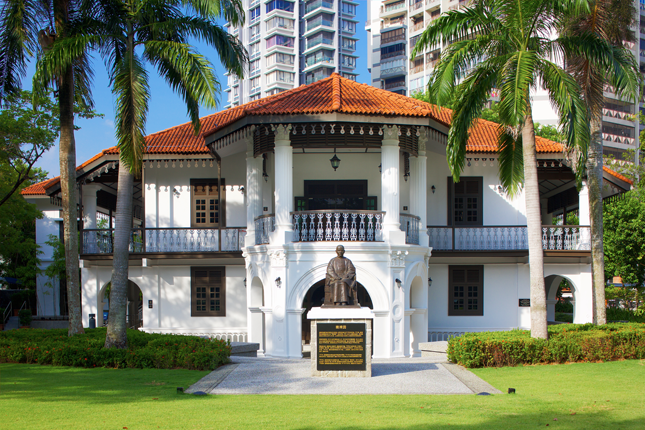
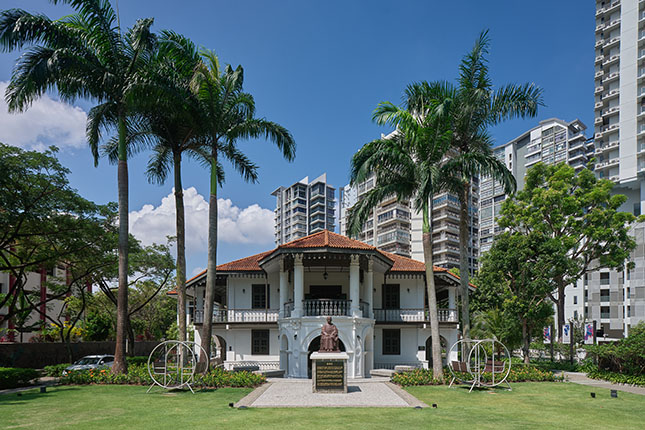
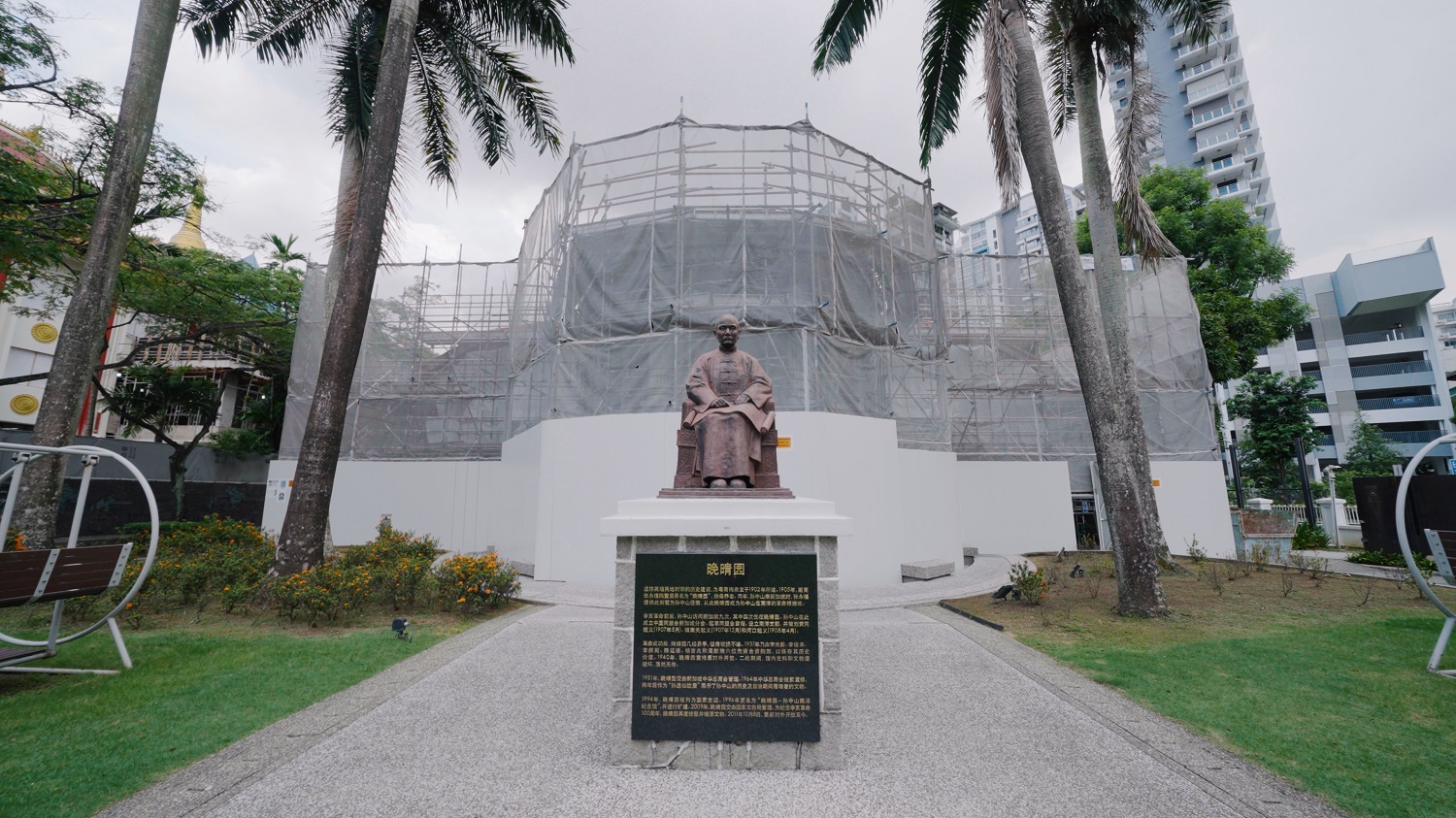
Nestled in the heart of Balestier stands a two-storey villa built in 1902 that once served as the Nanyang headquarters of Chinese revolutionary Dr Sun Yat Sen. This historic building was gazetted as a National Monument in October 1994 and reopened to the public in 2011 as the Sun Yat Sen Nanyang Memorial Hall, or Wan Qing Yuan. After more than a decade of operation, the Memorial Hall temporarily closed its doors to the public in September 2024 for essential restoration works. Guided by the Preservation of Monuments Act, the Memorial Hall's restoration represents an extensive project undertaken by a multidisciplinary team of conservators, contractors, and architectural consultants to maintain and preserve this significant piece of Singapore's history for future generations.Uncovering Issues
To kickstart the restoration process, the team undertook a detailed assessment of the architectural issues the Memorial Hall was facing. After meticulous inspection, several critical issues were identified. Singapore’s tropical climate has subjected the century-old building to persistently humid and wet conditions, resulting in rising damp problems and salt deposits on the walls. Trapped moisture within the walls can lead to structural deterioration and surface damage.
 Wall deterioration due to rising damp, 2025. Image courtesy of Sun Yat Sen Nanyang Memorial Hall.
Moisture exposure over time also resulted in rotting timber flooring, particularly at the veranda, where the floor panels are exposed to the elements. Dislodgement of roof tiles was also observed, presenting an urgent need for restorative works.
 Rotting timber flooring at SYSNMH veranda, 2025. Image courtesy of Sun Yat Sen Nanyang Memorial Hall.
The restoration of a heritage building is an intricate process requiring extensive testing, investigation, and careful treatment of materials. Such restoration demands meticulous attention to detail and a comprehensive understanding of the building's history to preserve its historical integrity. Throughout the restoration process, the team adhered to the principle of maximum retention, reusing existing building materials wherever possible. When additional materials were necessary, the team ensured compatibility with the original building fabric. Further research was conducted to identify repair methods that would minimise damage to the structure.
Rectifying Issues
Following a comprehensive study of the materials and techniques required for restoration, the actual restoration work commenced. As the villa was constructed in the early 20th century, the restoration team also addressed structural updates to meet contemporary building safety standards. Non-breathable paints, including emulsion and enamel, were removed and replaced with high vapour transmission paint. This intervention helped mitigate the rising damp issues identified within the Memorial Hall's walls.
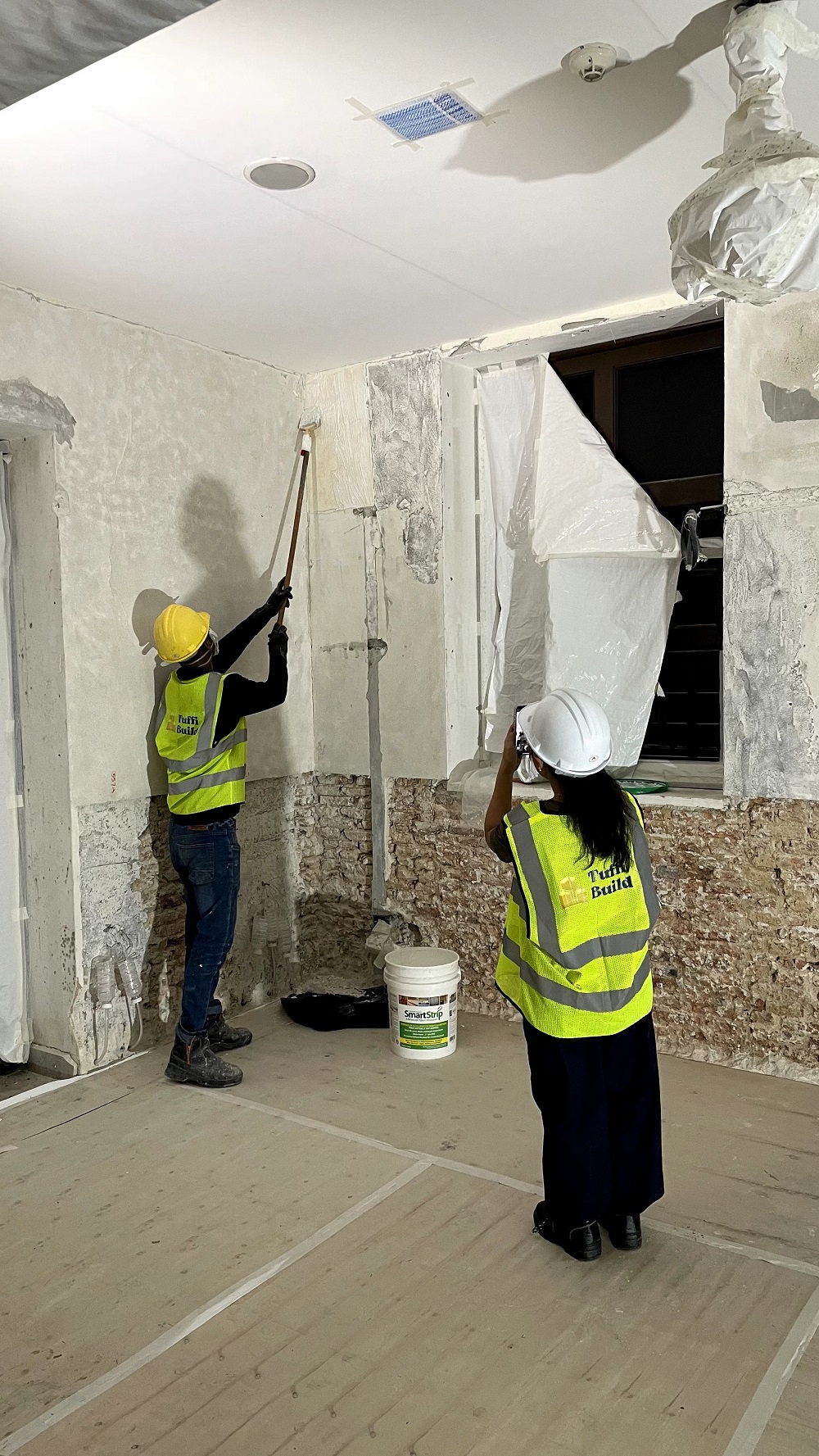 Applying breathable paints on walls, 2025. Image courtesy of Sun Yat Sen Nanyang Memorial Hall.
Corroded timber flooring was replaced, and roof tiles were reinstated as part of the restoration process. However, the most intricate and challenging aspect of the restoration was the conservation of ornamental plasterwork adorning the building's columns, beams, and cornices. This ornamental plasterwork demanded exceptional craftsmanship and delicate handling to restore the intricate details with historical accuracy.
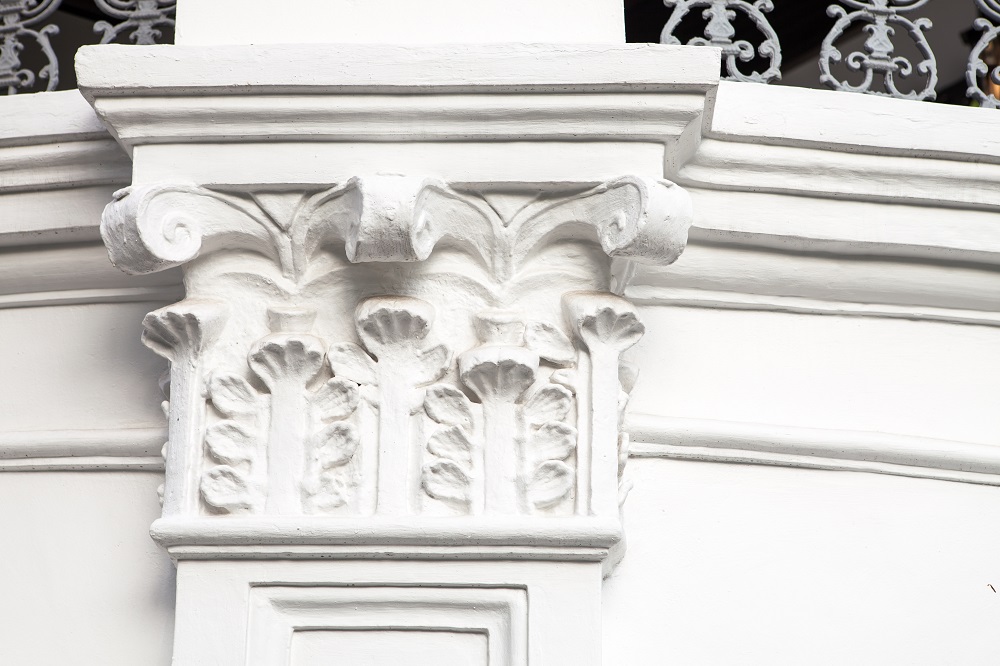 Ornamental plasterwork detailing on the Memorial Hall’s columns, 2025. Image courtesy of Sun Yat Sen Nanyang Memorial Hall.
Historical Findings
During the restoration work, the team discovered evidence of previous structural modifications throughout various parts of the building. The restoration team found that steel I-beams had been inserted into the building's structure to reinforce the front-facing veranda, creating a subtle alteration to the building's façade.
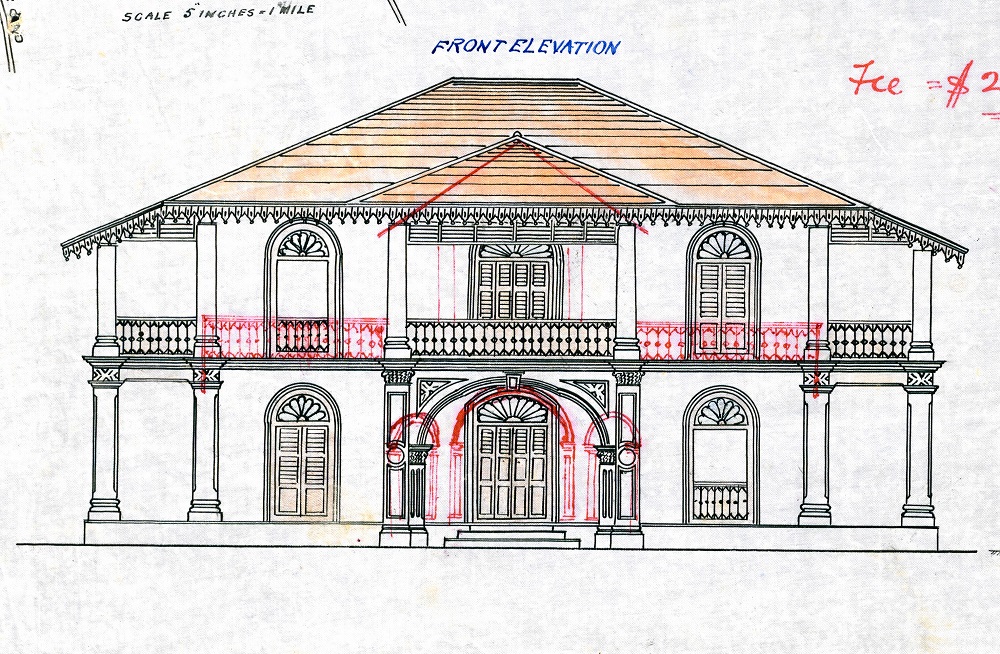 Cropped image of façade from original building plan. Reproduced with permission of National Archives of Singapore, Building Control Authority Collection.
.jpg) Current façade of building, 2024. Image courtesy of Sun Yat Sen Nanyang Memorial Hall.
Current façade of building, 2024. Image courtesy of Sun Yat Sen Nanyang Memorial Hall.
The restoration team also discovered that several windows had been altered from their original design sometime before World War II. The side windows at the front of the building originally featured semi-circular fan lights but were replaced with quadrilateral windows incorporating louvred top vents, likely to enhance air circulation. Additionally, many of the original brick masonry columns had been strengthened with reinforced concrete additions, modifications that were probably undertaken in the 1960s.
Conclusion
The restoration of the Sun Yat Sen Nanyang Memorial Hall (Wan Qing Yuan) is a complex undertaking requiring coordination and expertise from numerous professionals specialising in heritage conservation and architectural restoration. Regular conservation of our national monuments ensures that structures significant to Singapore's history are preserved for future generations. Wan Qing Yuan is scheduled to reopen in 2027 following completion of all restoration and renovation works.