
TL;DR
Shophouses and other conserved buildings have long been left out of Singapore's solar energy push, as their distinctive architectural character made it difficult to install conventional solar panels without compromising their heritage value. New research from SERIS aims to change that, developing solar technologies that can be integrated directly into the fabric of these buildings in ways that are sympathetic to their original design.
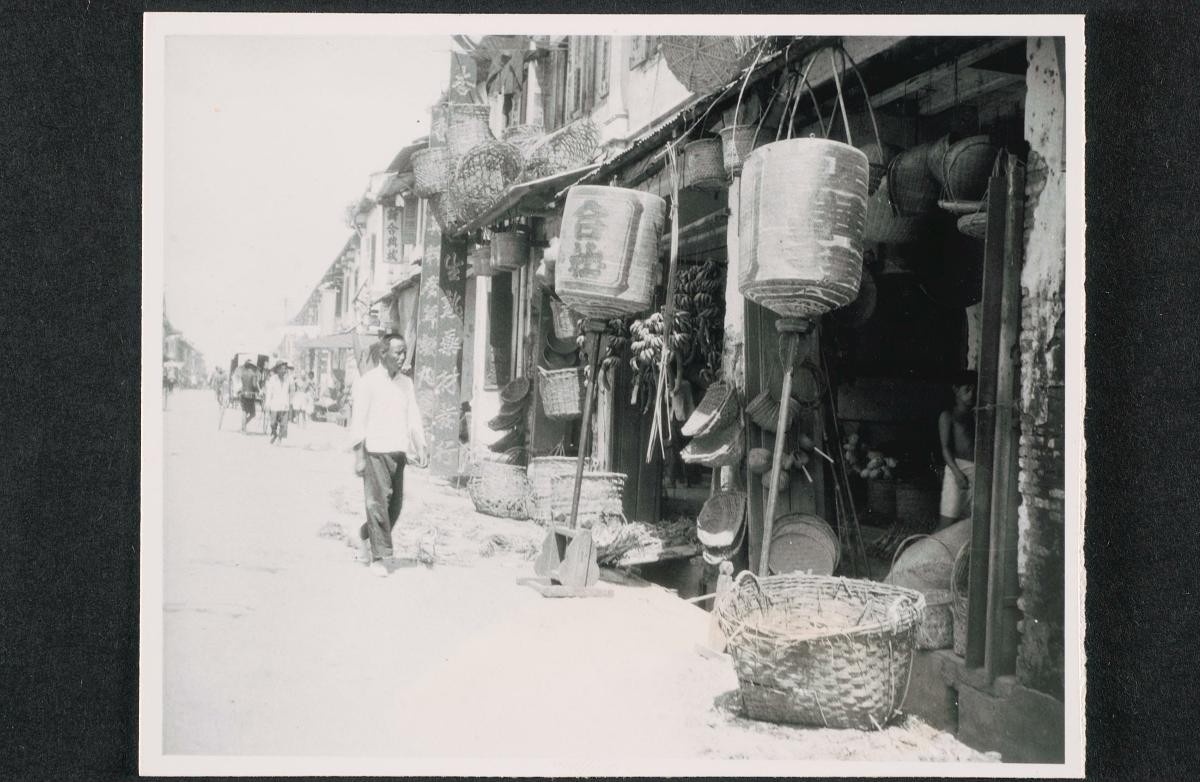
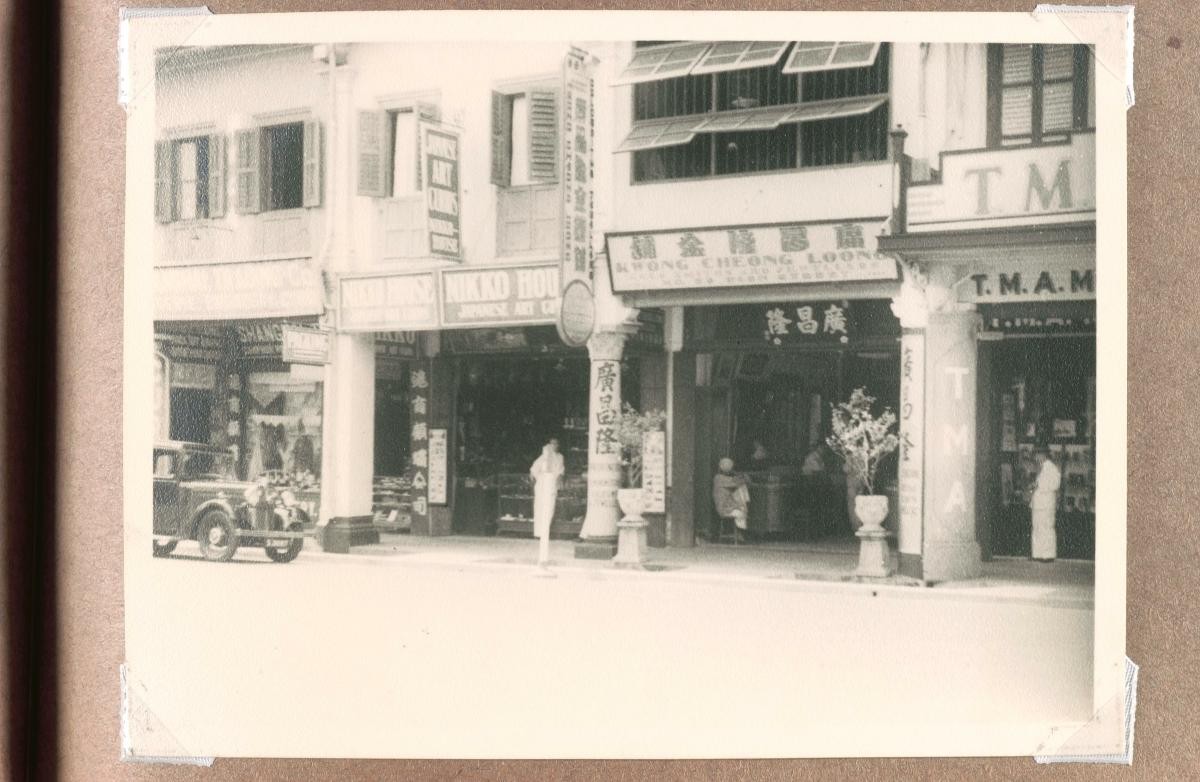
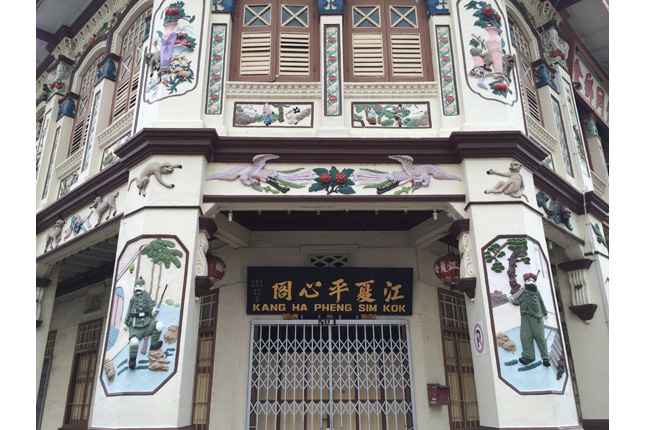
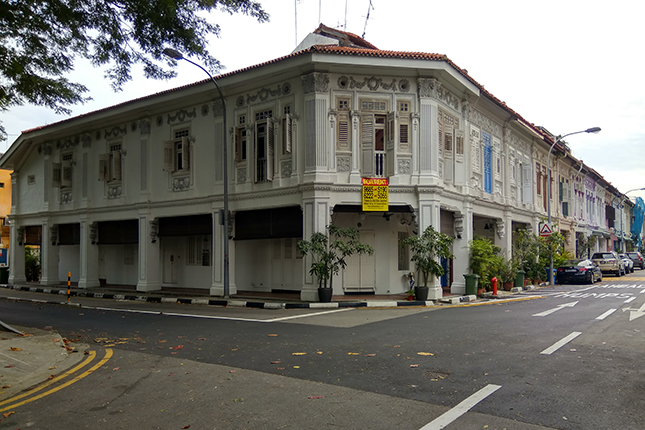
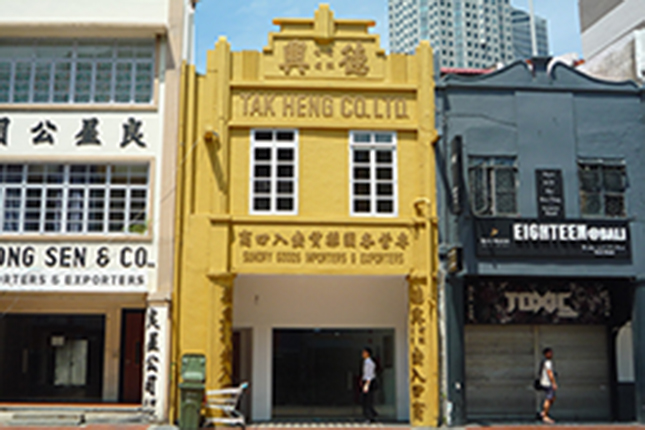
Singapore's urban landscape is characterized by its unique blend of modern skyscrapers and historical shophouses, creating a distinctive architectural tapestry that reflects both progress and preservation. These shophouses, with their distinctive five-foot ways, ornate facades, and Peranakan tiles, represent an integral part of Singapore's cultural heritage. However, as the nation pursues its ambitious goal of achieving net-zero emissions by 2050 and installing at least 2 GW of solar capacity by 2030, the challenge of integrating renewable energy technologies into these heritage structures has become increasingly critical.
The Solar Energy Research Institute of Singapore (SERIS) at the National University of Singapore has emerged as a pioneering force in addressing this challenge, developing innovative Building-Integrated Photovoltaic (BIPV) solutions that respect architectural heritage while advancing sustainability goals. This article chronicles SERIS's research journey from prefabricated BIPV systems to sophisticated colored photovoltaic technologies specifically designed for Singapore's heritage shophouses.
The Heritage Conservation Challenge
Singapore's shophouses, primarily built between the 1840s and 1960s, present unique challenges for solar integration. These two- to three-story structures feature intricate facades with decorative elements, including ornamental tiles, carved timber details, and distinctive architectural features that contribute to their historical significance. As noted in the sustainable adaptation study of Tanjong Pagar Railway Station, heritage buildings in tropical climates face specific challenges including high temperatures, humidity levels averaging above 80% throughout the year, and intense solar radiation that can accelerate material degradation.
The integration of conventional photovoltaic systems, typically featuring black or blue panels, poses significant aesthetic concerns for these heritage structures. Traditional BIPV approaches often compromise the visual integrity of historical facades, creating resistance from heritage conservationists and the public alike. This tension between sustainability objectives and heritage preservation has driven SERIS to develop innovative solutions that bridge this gap.
SERIS's Research Evolution: From Prefabrication to Customization
Phase 1: Prefabricated BIPV Systems
SERIS's journey began with the development of prefabricated BIPV facade systems designed to address the practical challenges of retrofitting existing buildings. Two notable innovations emerged from this phase: the Monsoon Window and the Unitized BIPV Wall System.
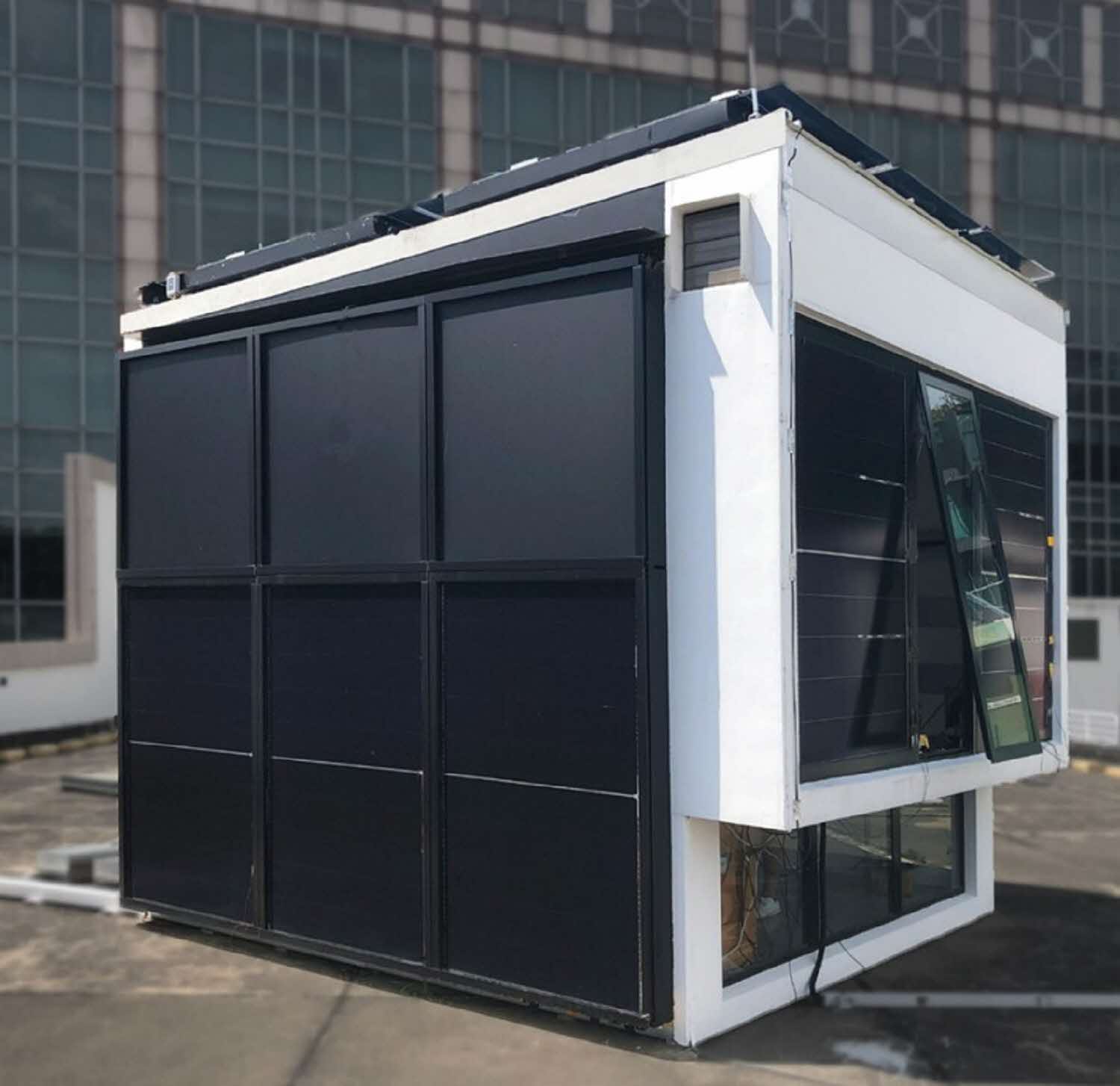
The Monsoon Window, specifically designed for tropical climates, replaces traditional windows with BIPV modules that can open outward. This system incorporates an openable sliding section with mesh screening beneath the PV windows, allowing for natural ventilation during Singapore's frequent rainfall while generating solar energy on sunny days. This design draws inspiration from traditional Southeast Asian architectural elements, demonstrating how modern technology can learn from heritage building practices.
The Unitized BIPV Wall System represents another breakthrough, featuring interlocking joints that ensure weatherproofing and enable rapid construction. Each component functions independently, with pre-embedded electrical devices such as power optimisers or micro-inverters to optimise energy generation even under partial shading conditions. This "plug-and-play" system can be manually installed by three workers from inside the building, eliminating the need for external scaffolding and significantly reducing installation costs and time.
Phase 2: The Colour Revolution in BIPV
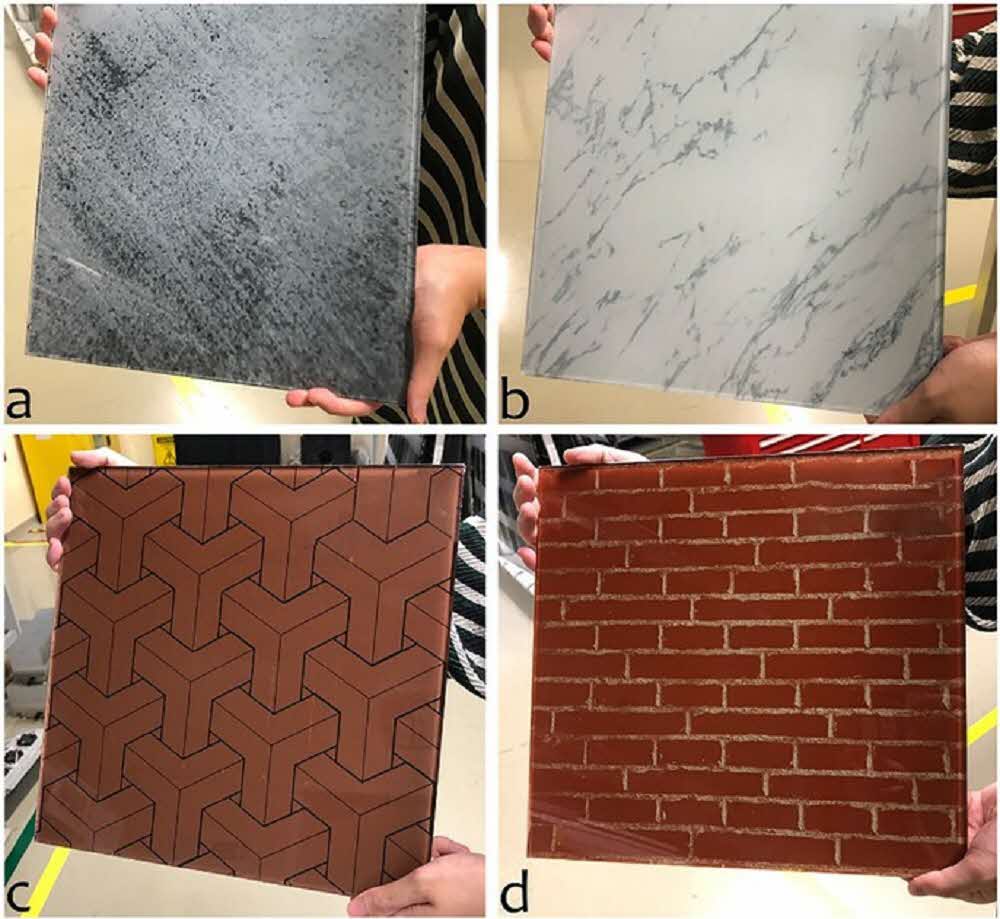
Recognising that the colour of conventional PV modules was a primary barrier to heritage integration, SERIS pioneered the development of coloured photovoltaic technologies. The institute developed a hybrid method that combines digital ceramic printing with spectrally selective filters, achieving a breakthrough balance between aesthetic appeal and energy efficiency.
This innovative approach uses a singular colour EVA (ethylene vinyl acetate) thin film with spectrally selective filters such as interference coatings or photonic structures to optimise sunlight penetration. By printing dark patterns on the glass surface while minimising the use of colour pigments that block sunlight, SERIS achieved coloured PV modules that maintain reasonable efficiency levels while offering unprecedented design flexibility.
Phase 3: The Peranakan PV Module — Heritage-Inspired Innovation
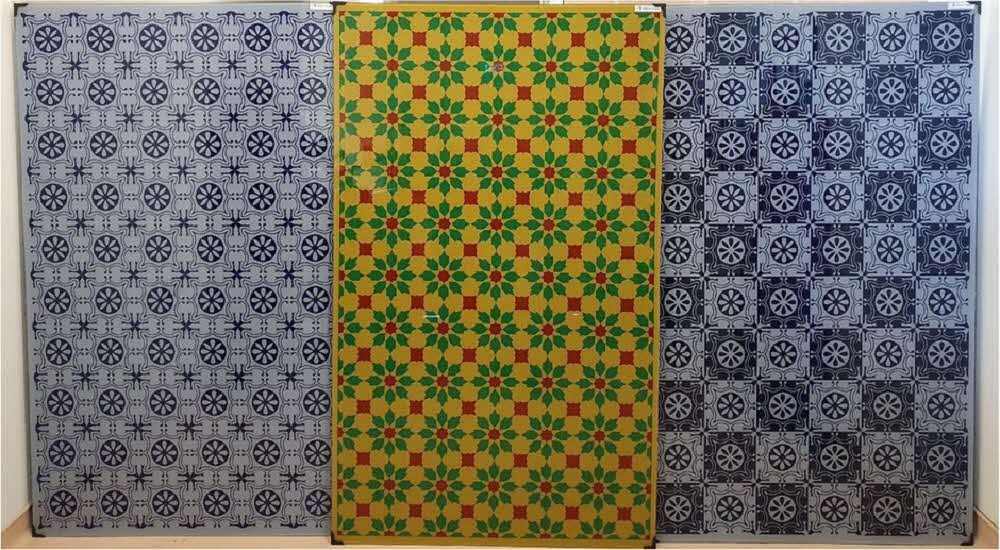
The culmination of SERIS's research journey is exemplified in the Peranakan PV module, a patented technology that directly addresses the unique aesthetic requirements of Singapore's shophouses. This module draws inspiration from traditional Peranakan tiles, featuring intricate patterns and vibrant colours that are synonymous with local heritage architecture.
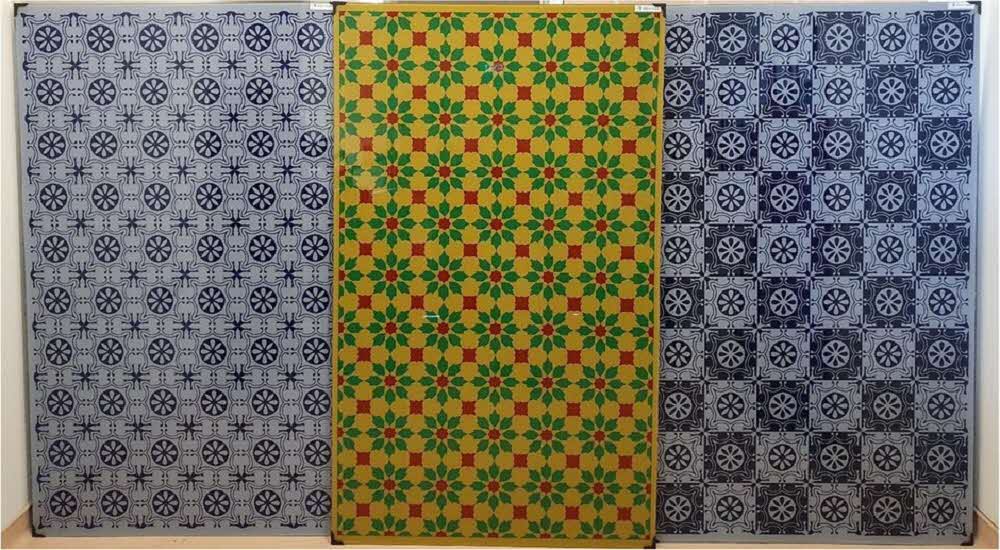
The Peranakan PV module incorporates carefully designed repetitive patterns that ensure uniform optical transmittance across the module surface. This uniformity is crucial for preventing current mismatches between cells, which could lead to "hot spots" and reduced module lifespan. The patterns achieve a delicate balance between aesthetic requirements and energy performance, demonstrating that heritage-compatible solar solutions need not significantly compromise energy generation efficiency.
SERIS's innovations have garnered significant recognition in international competitions and industry applications. The coloured PV technology has been successfully commercialised through Power Façade, a NUS-incubated start-up, demonstrating the commercial viability of heritage-compatible solar solutions. These achievements validate the institute's approach of combining rigorous scientific research with practical application considerations.
Future Directions and Implications
SERIS's research journey from prefabricated systems to heritage-inspired coloured photovoltaics represents a paradigm shift in how we approach the integration of renewable energy in historical urban contexts. The success of these technologies has implications beyond Singapore, offering solutions for tropical heritage cities throughout Southeast Asia facing similar challenges.
As Singapore continues its journey toward carbon neutrality, the integration of BIPV technologies in shophouses will play a crucial role. With thousands of shophouses across the island, the potential for distributed solar generation while preserving architectural heritage is substantial. SERIS will collaborate with NUS Museum (NUSM) and NUS Baba House to understand the social acceptance of the coloured BIPV on shophouses.
Conclusion
The evolution of SERIS's BIPV research from standardised prefabricated systems to customised, heritage-inspired coloured photovoltaic solutions represents a remarkable achievement in balancing sustainability with cultural preservation. Through innovative technologies like the Monsoon Window, Unitized BIPV Wall System, and especially the Peranakan PV module, SERIS has demonstrated that heritage buildings need not be excluded from the renewable energy transition.
These innovations address not only technical challenges but also social and cultural concerns, ensuring that Singapore's shophouses can contribute to the nation's sustainability goals while maintaining their role as living monuments to the country's rich architectural heritage. As cities worldwide grapple with similar challenges, SERIS's journey offers valuable lessons and proven solutions for harmonising heritage conservation with the urgent imperative of climate action.
The success of these initiatives underscores a fundamental principle: sustainable development and heritage preservation are not mutually exclusive but can be synergistic when approached with innovation, sensitivity, and technical excellence. As SERIS continues to push the boundaries of BIPV technology, Singapore's shophouses stand as testaments to this possibility, generating clean energy while continuing to tell the story of the nation's unique cultural identity.
This research was supported by the National Heritage Board's Heritage Research Grant.