
 (1).jpg)
TL;DR
The Hungry Ghost Festival or 中元节, is a traditional Chinese festival observed in Singapore, featuring rituals for wandering spirits or 好兄弟, lively getai concerts, community groups or 中元会, charity auctions or 义标, and censer masters or 炉主 — all reflecting Singapore's unique cultural heritage.
The Hungry Ghost Festival, or 中元节, is a traditional Chinese festival observed during the seventh month of the lunar calendar. Linked to Buddhist and Taoist beliefs, the festival and its customs were brought to Singapore by early Chinese immigrants.
Today, many Singaporean Chinese observe traditions centred on the worship of gods, ancestors and wandering spirits during the festival. Rituals are held in neighbourhoods, and residents prepare offerings for wandering spirits known as 好兄弟. Colourful stages are set-up for 歌台 performances, and community groups called 中元会 organise festival activities like banquets or auctions known as 义标. Hear how these terms are pronounced in the video.
For many Singaporeans, these sights and sounds are familiar elements of the Hungry Ghost Festival. The Mandarin terms associated with them are also widely recognised, shaped by the festival's history and local cultural context.
As the Hungry Ghost Festival is part of Singapore's unique cultural heritage, let's explore some fun facts about festival-related terms featured in the Singaporean Mandarin Database!
好兄弟: More Than Just Brothers
One of the most recognisable local expressions associated with the festival is 好兄弟, which literally means "good brothers". In Singapore, instead of referring to supernatural spirits directly, many choose to adopt this respectful term when speaking about them.
The term has roots in the experiences of early Chinese migrants in Southeast Asia. Many of these migrants formed associations known as kongsi, which brought together migrants based on kinship or locality, to support each other in unfamiliar living environments.
Compatriots in the kongsi offer each other mutual support in both life and death. When fellow migrants pass on far from home without families to conduct ancestral rites for them, the deceased were believed to roam around as wandering spirits. The compatriots would typically perform rites for these spirits during the seventh month of the lunar calendar, conducting salvation rituals to help the deceased on their journey into the afterlife. Hence, the term "good brothers" refers that these lost souls were part of the kongsi brotherhood.
七月歌台: Entertainment for the Living and Dead
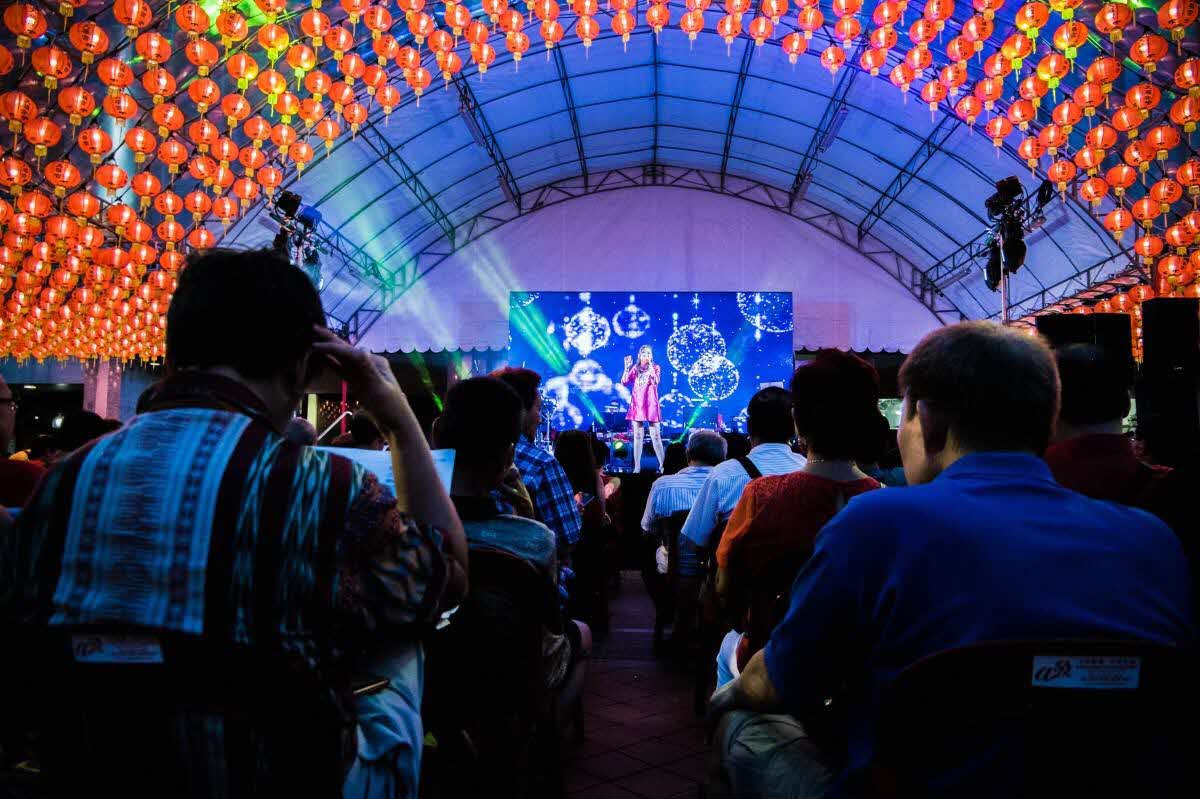
For many Singaporeans, the most visible and recognisable aspect of the Hungry Ghost Festival is 七月歌台, or seventh month getai. Getai are open-air concerts held during the festival. These concerts feature flashy performances by singers and bands, humorous banter by the emcees between performances, and lively interaction with the audience.
Getai is a form of popular entertainment developed from performances held at Singapore's former amusement parks such as New World and Great World, which typically featured live singing and comedy shows. Performances in similar formats were subsequently introduced to the Hungry Ghost Festival to attract younger audiences. Seventh-month events that had long featured opera performances and puppet shows, eventually gravitated towards getai as the main form of entertainment.
One distinctive feature of getai: the front row of seats is always left empty — reserved for the "good brothers".
中元会: Bringing the Community Together
In Singapore, Hungry Ghost Festival activities are widespread because of the significant role played by groups known as 中元会. These are groups formed by members of housing estates, factories or businesses, who are in-charge of organising activities or ritual ceremonies for the Hungry Ghost Festival.
The continued visibility of Hungry Ghost Festival celebrations across Singapore can be attributed to the efforts of these community organisations.
炉主: Guardian of the Flame
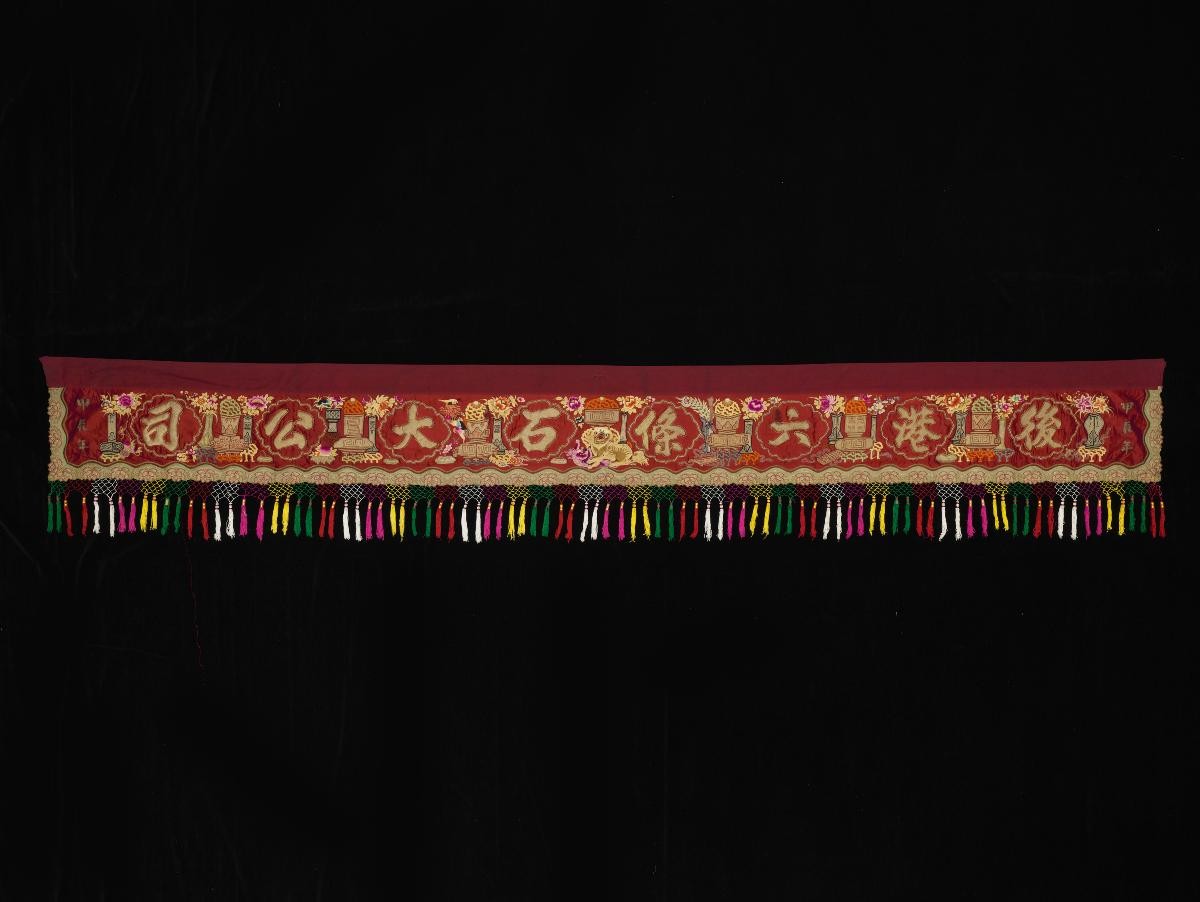
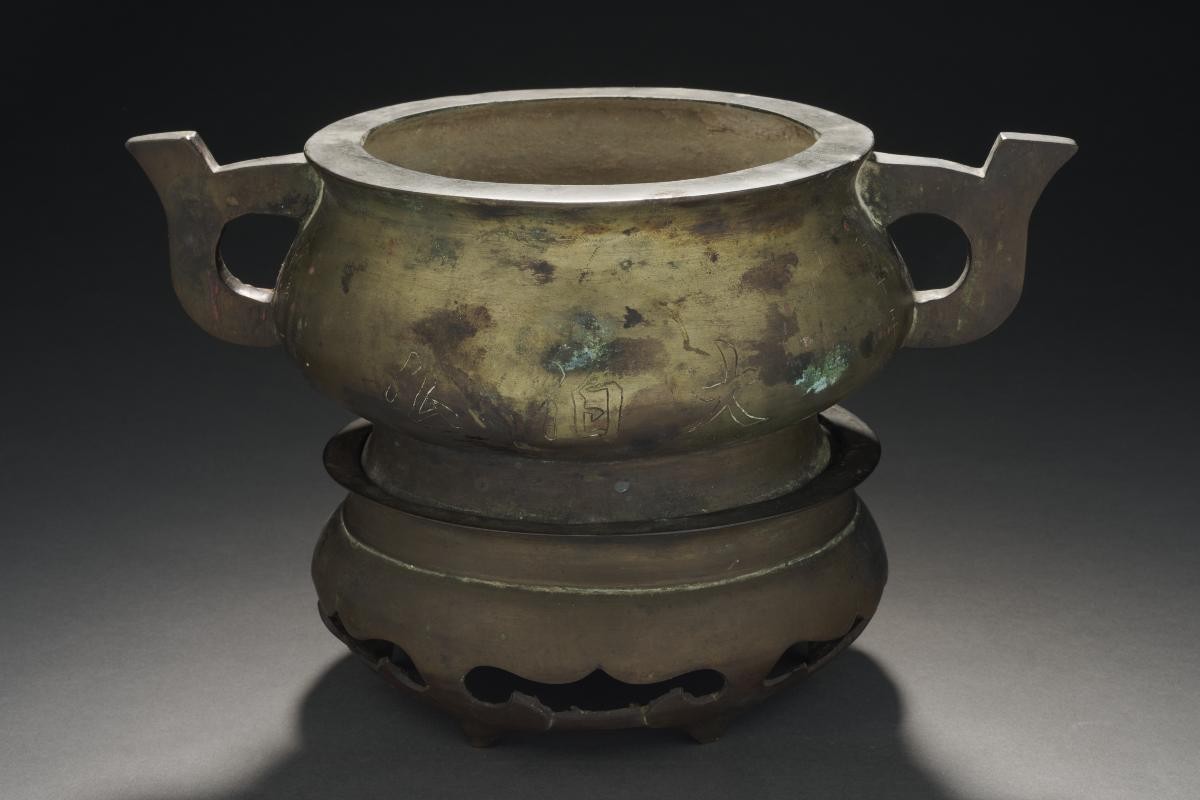
Within 中元会 and temples, an important role is held by the 炉主, which literally means "censer master". 炉主 is the chief of worship in these organisations, symbolising inheritance and the core of the organisation's beliefs. The censer master is typically responsible for overseeing the daily operational matters of their organisation.
义标: Bidding for Good Fortune
Another familiar seventh-month activity is 义标, or "charity auctions". These auctions are usually held during festival banquets, and auction items (known as 福物, or "fortune items") often include religious statues, electrical appliances, and pieces of charcoal. Successful bidders collect the items at the end of the dinner, and donate the bid amounts on the spot or in the subsequent year. These auctions help to raise funds for the following year's dinner, or for temples or community causes.
义标 auctions are often lively and interactive, where auctioneers energise crowds with dramatic bidding calls and humorous commentary.
Language as Cultural Memory
The Hungry Ghost Festival remains one of Singapore's most distinctive festivals for the Singaporean Chinese community. Beyond the activities, the Mandarin terms surrounding the festival reflect local experiences, community practices and religious traditions, some developed over generations in Singapore.
Discover more about these terms and their etymology, cultural background and usage on the terms in the Singaporean Mandarin Database here and the Selat to Singapore – Singaporean Mandarin Database publication here. Both are bilingual resources developed by the Speak Mandarin Campaign that records Singaporean Mandarin terms together with their cultural and historical context.
Listen to how the 5 featured Mandarin terms for Singapore are pronounced here.