The inventory of Intangible Cultural Heritage (ICH), also known as living heritage, includes traditions or living expressions inherited from our ancestors and passed on to our descendants. There are six categories of Intangible Cultural Heritage.
Learn more about Intangible Cultural Heritage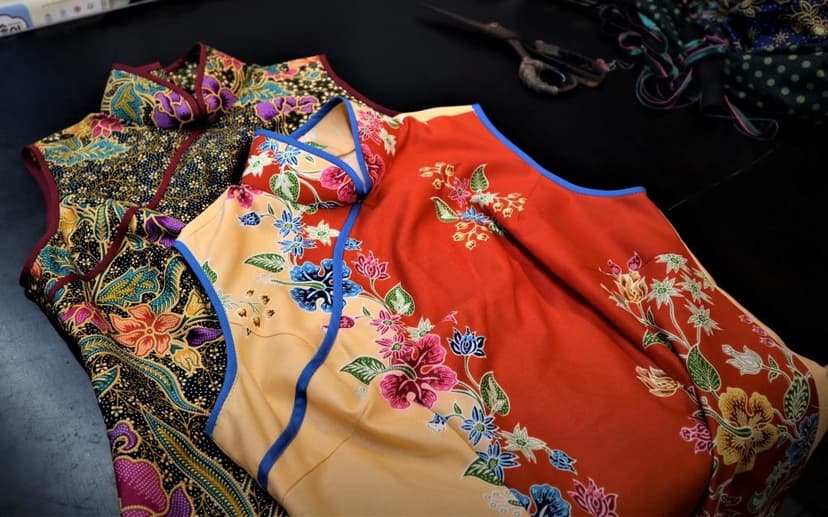
The cheongsam, or qipao (旗袍), is an elegant, form-fitting dress that originated in China. Its classic form is characterised by a high cylindrical collar. An opening, traditionally fastened by knotted buttons, runs diagonally to the right from the middle of the collar to the armpit and then down the dress’s side. The garment usually features side slits at the skirt hem as well.

The baju kurung, loosely translated to mean “concealing dress” in Malay, is a traditional Malay costume that consists of a loose-fitting knee-length blouse, worn over a pair of pants (for men) or a long skirt (for women).

The songkok is a traditional headgear worn by males, primarily in the Malay community, across the Malay/Indonesian archipelago to complete a customary attire, especially during formal occasions, and at social and religious events.
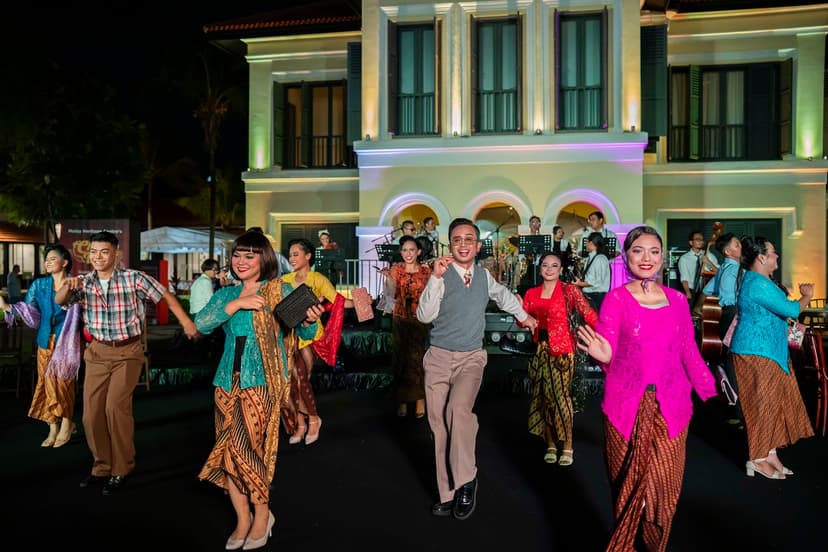
Kebaya is an upper garment that is traditionally made from fabrics such as velvet, cotton, gauze, lace, or voile, and at times adorned with embroidery. It is typically identified as a blouse or tunic with the collar extending from the back of the neck down to the hems on either side of the front body.
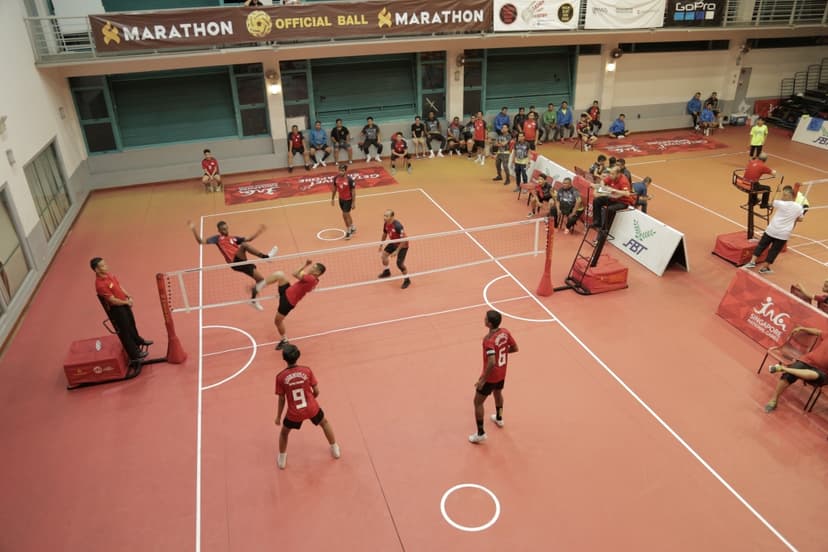
Sepak takraw is a sport native to Southeast Asia, involving a rattan ball being kicked over a net. The term sepak means ‘to kick’ in Malay while takraw is said to be derived from a Thai word for the rattan ball. The sport is played by two opposing teams, where players volley a rattan ball over a net, ensuring that it does not touch the floor. Each team is called a regu and comprises of three players.
Chinese opera is a performing art form rooted in Chinese traditions and staged with stylised actions and elaborate costumes.
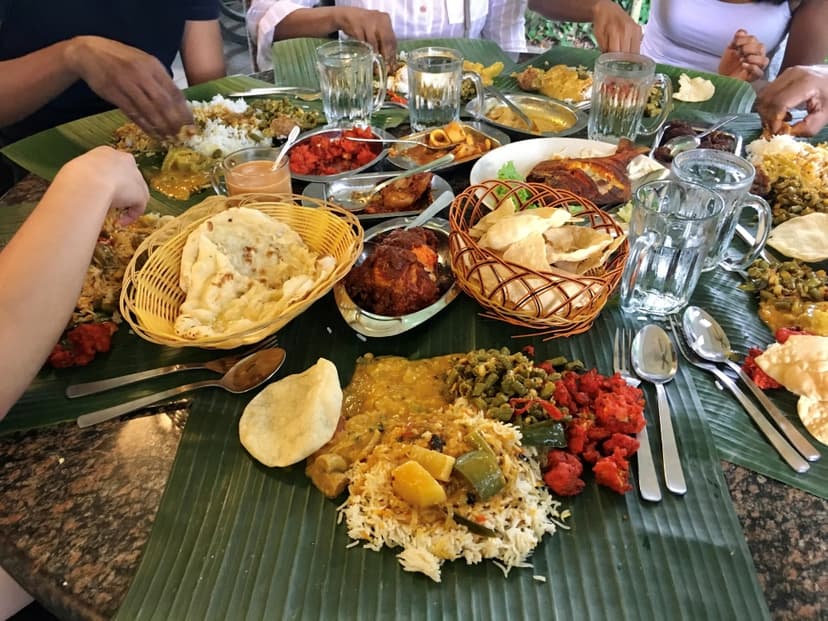
Indian cuisine comprises diverse and rich culinary traditions from the Indian sub-continent. In Singapore, Indian cuisine includes Tamil Muslim cuisine, South Indian as well as North Indian cuisines and various other regional traditions.
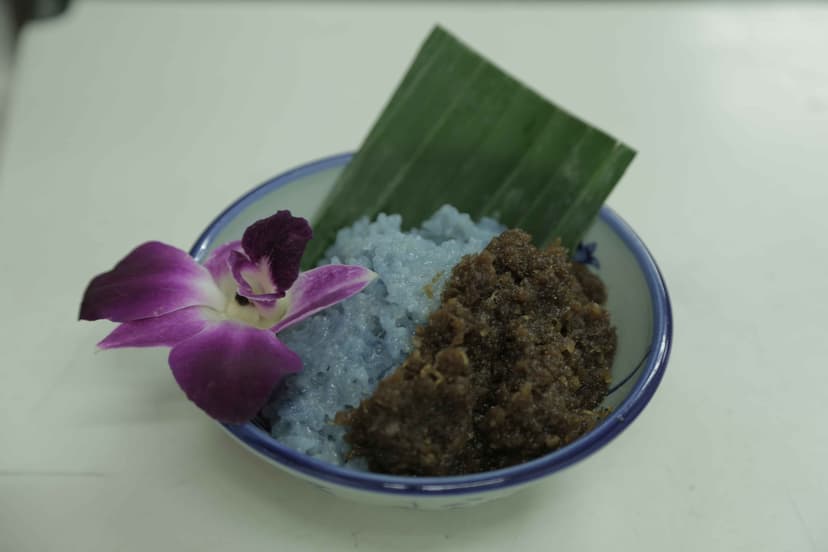
Kueh (or kuih in Malay) are types of snacks that have become a staple in Singaporean food culture.
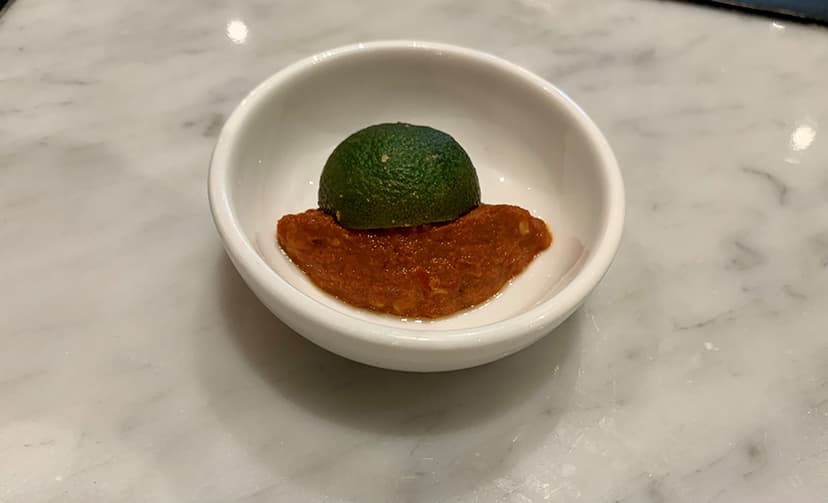
Sambal is a spicy relish which serves as both a core ingredient and side dish of Chinese, Malay, Peranakan, Eurasian cuisines in Singapore, and neighbouring countries such as Malaysia and Indonesia. Typically consisting of fresh chillies, shrimp paste, lime juice, sugar, and salt; sambal - in its various flavours and forms - has both a rich history and an extensive presence in the preparation of a myriad of familiar local dishes.
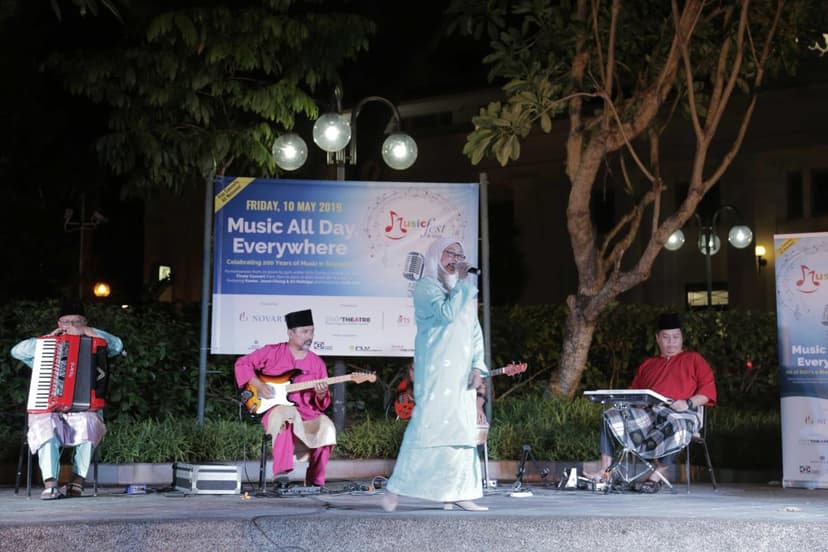
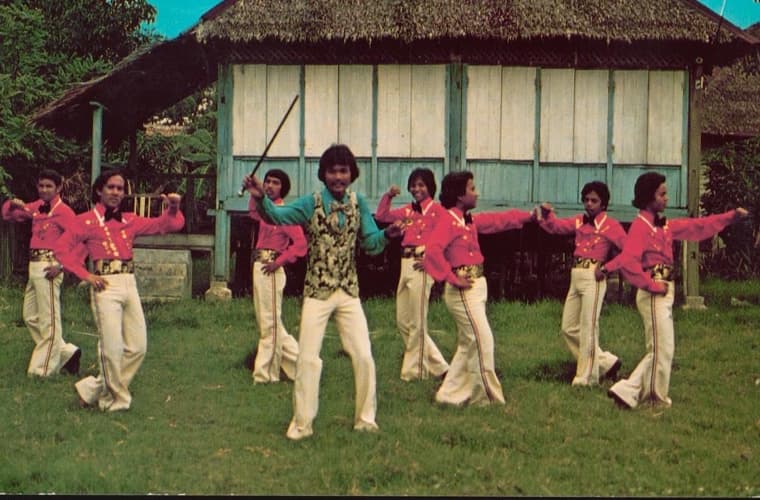
The musical genres in traditional Malay music include asli (‘original’, ‘traditional’), ronggeng, inang and joget (music which typically accompanying social dances), dondang sayang (songs of affection), keroncong (a type of folk music), zapin (music accompanying the zapin dance) and ghazal (typically tied to themes of romance sung in poetic quatrains).
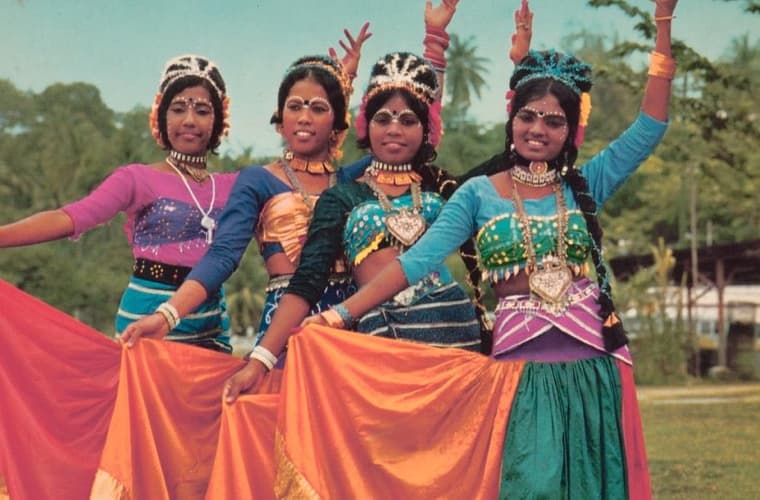
Indian dance forms in Singapore include bharatanatyam, kathakali, kathak, manipuri, kuchipudi and odissi, amongst others. The dance forms involve specific gestures, expressions, steps and postures rooted in the traditions from the various regions in India.
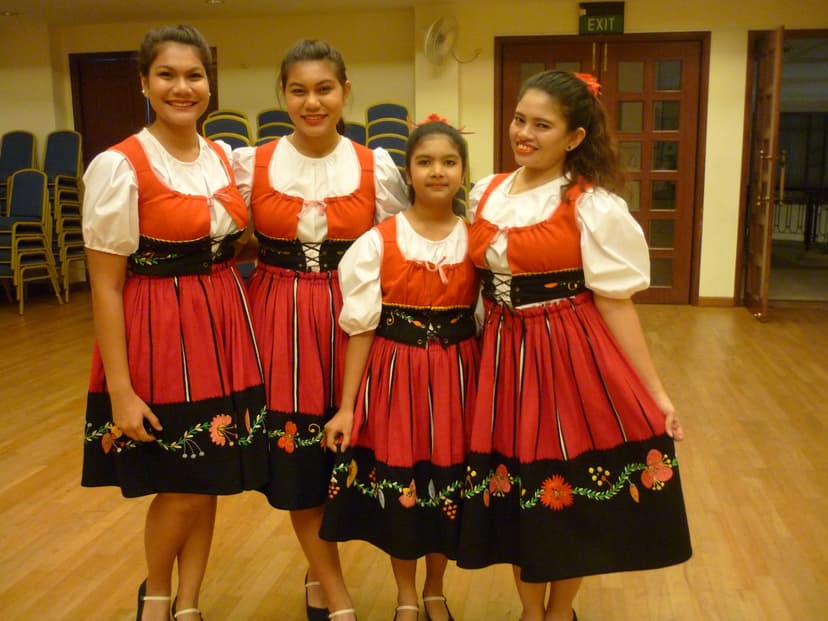
Fair Maiden, Fair Maiden, I want to marry you! So begins the courting song, Jinkli Nona. Colourful and teeming with energy, Jinkli Nona, as a song, is commonly associated with branyo, a dance performed by the Eurasian community in Singapore.
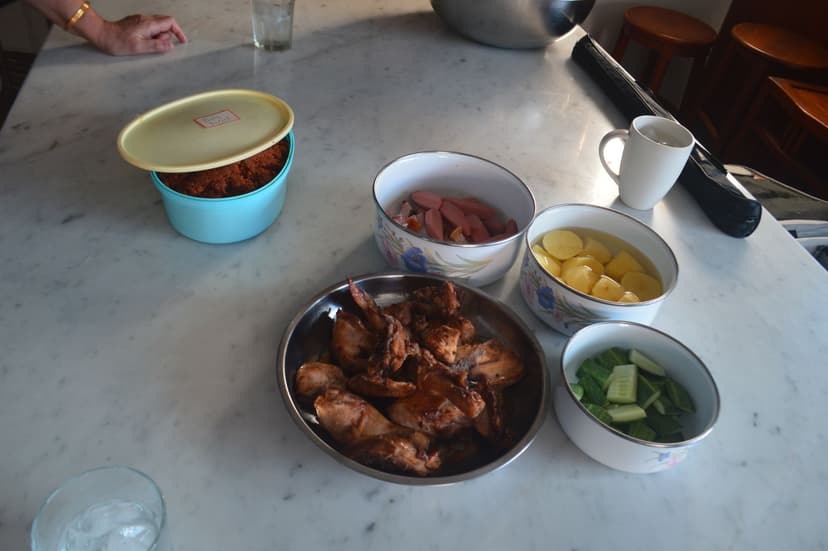
Eurasian cuisine in Singapore features a myriad of European and Asian influences, and is characterised by strong and rich flavours, with Portuguese and Malay influences featuring most strongly due to the ancestral heritage of the local Eurasian community.
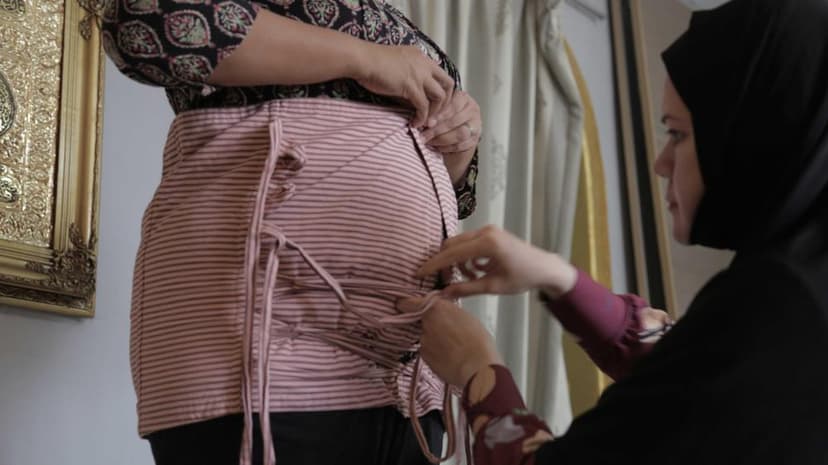
Birthing traditions involve practices performed during prenatal, labour, and postnatal periods. In various communities, it is believed that prenatal practices can have an impact on the process of labour and delivery. The postnatal period is for a woman to recover from childbirth; hence specific rituals are observed to ensure recovery and prevent ill health in later years. The restoration of maternal health is important and practices are undertaken in the belief that they protect the woman from future illnesses.
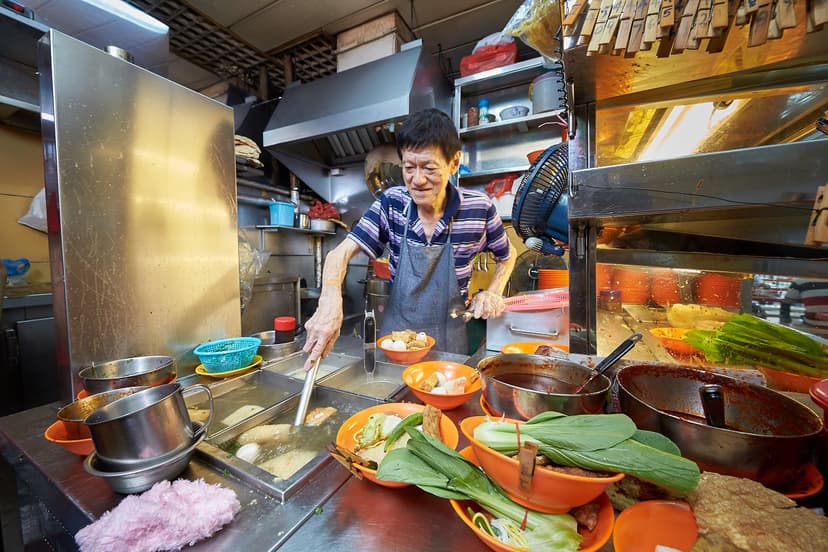
Hawker culture in Singapore can be traced back to street hawkers and the hawker centres which were first built to resettle street hawkers in the 1970s.
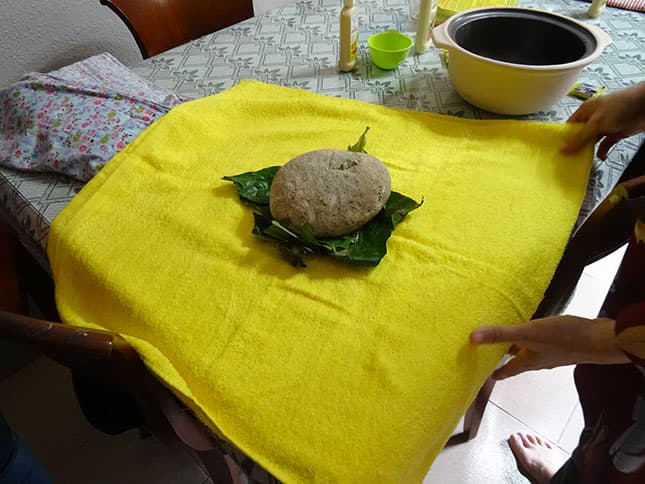
Traditional Malay Medicine comprises the practices, approaches and knowledge of health and healing that are associated with Malay culture and passed down through generations.
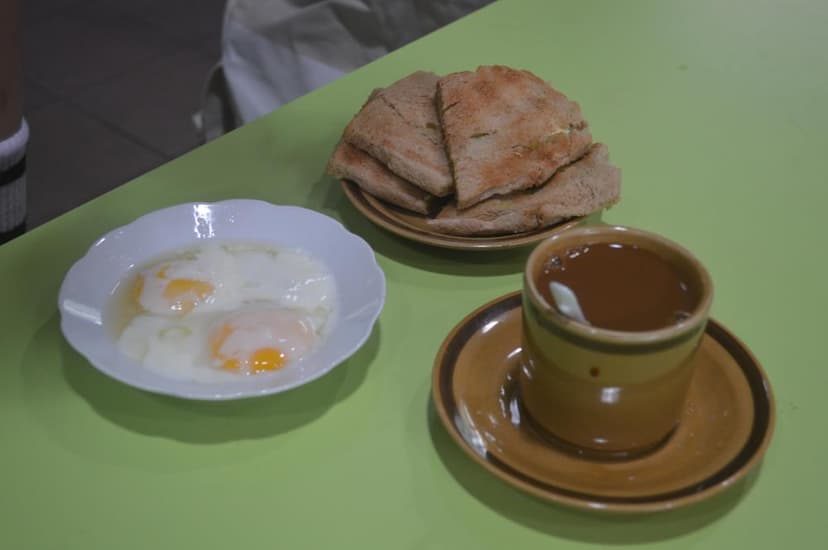
A traditional style of breakfast comprising of kaya — an egg jam made with coconut milk and sugar — on charcoal-grilled toast, paired with two soft boiled eggs, and Hainanese-style kopi (coffee) or tea,
.jpeg&w=828&q=75)
Wayang kulit, or shadow puppet theatre, is a form of traditional theatre. Respected as a pusaka, or heirloom, it is theatre with storytelling through puppetry, music, and sophisticated handcraft.