
TL;DR
This article explores the symbolism and craft behind paper offerings in Chinese festival celebrations, as well as the meticulous process involved in creating objects made only to be burnt.
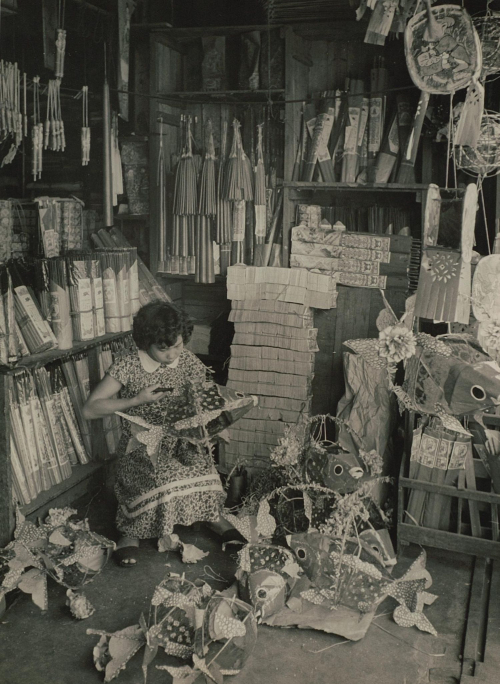
Fig. 1. Chinese provision shop selling paper offerings, mid-20th century. Collection of National Museum of Singapore, accession no. XXXX-13210.
Paper offerings are an important part of material culture in Chinese festival celebrations, observed in both religious and non-religious contexts alike — from the Hungry Ghost Festival, Lunar New Year, Qingming Festival and deities’ birthdays[1]. These events may be dedicated to the worship of gods, the appeasing of wandering spirits, or the commemoration of the deceased. Paper offerings can also be seen when an individual marks key life milestones, such as moving into new homes or during funerals.
No matter how intricately crafted, paper offerings are ultimately meant to be burnt. The act of burning symbolises the transformation of the offerings, sending them into the spiritual realm to honour the deceased or deities. For example, paper currency is burnt because it is believed that it becomes real money that can be used by the deceased in the afterlife.
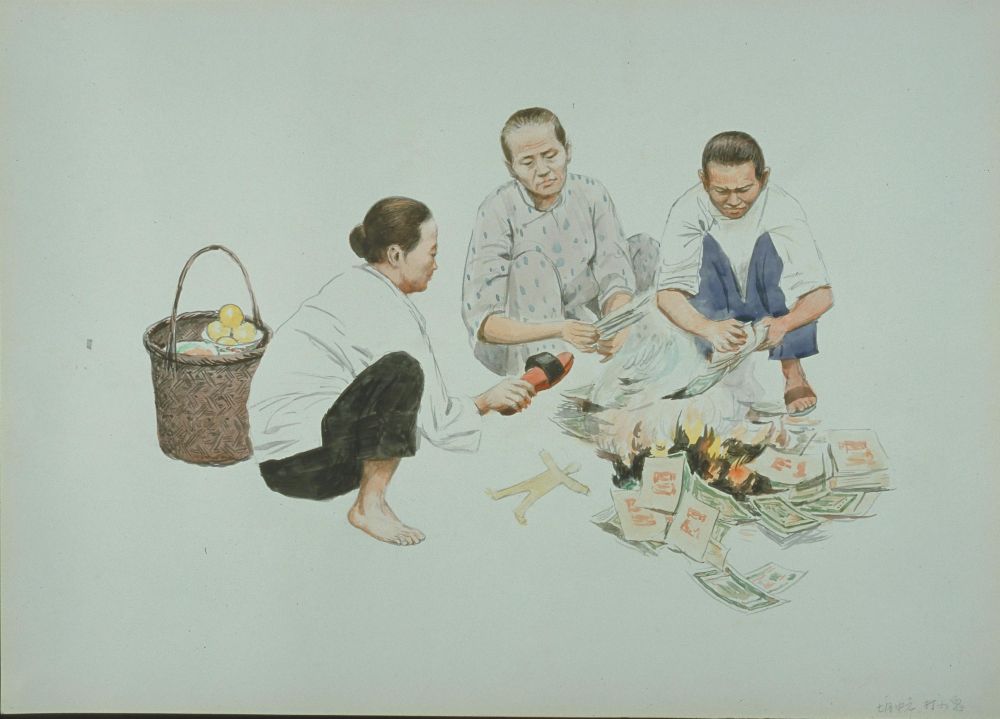 Fig. 2. Women burning joss paper and conducting villain-hitting ritual, c.1960. Collection of National Museum of Singapore, accession no. 1999-014971.
The burning of paper offerings assumes different meanings depending on the occasions. For Chinese Singaporeans, burning paper offerings to ancestors during the Qingming Festival at the graveside or at the ancestor’s tablets in the columbarium or temple is an expression of filial piety. It helps to maintain the kinship relationships between the living and the dead. On the other hand, paper offerings made to deities in temples and roadside shrines serve as a form of expressing gratitude and a way to seek blessings. During the Hungry Ghost Festival, paper offerings are burnt in temples and at temporary altars by the roadside, in car parks and elsewhere, for the wandering spirits to ease their misery and suffering.
Beyond these special events and major festivals, the burning of paper offerings also features in private worship at home (bai shen or ‘worshipping the gods’) on a daily or weekly basis, even though these practices have been declining rapidly over the years. Some shopkeepers perform simple worship in their shops on the first and fifteenth day of the lunar calendar. At home, members of the family, particularly the elders, may pray to their ancestors or to deities such as the Earth God, the God of Wealth, Guan Gong, Guan Yin, or the Kitchen God[2]. These rituals are usually simple affairs, observed quietly within the domestic altars at home to seek for protection, peace and stability.
The places used for burning paper offerings have also undergone considerable changes over time. Traditionally, the burning of offerings takes place at the site of the ritual itself. This can be anywhere directly outside a house, shop or right below Housing and Development Board (HDB) flats[3]. These locations may be informed by feng shui or Chinese geomancy. Over time, however, burning offerings on grass patches, car parks, and pavements posed significant risks of fire, endangering public property and human lives. In October 1988, the HDB implemented regulations prohibiting residents from burning joss papers in common areas, with warnings and fines for non-compliance[4]. At the same time, growing civic awareness and environmental concerns have also led to the practice being shifted to purpose-built metal burners often provided by Town Councils and building management, with specific areas designated for burning.
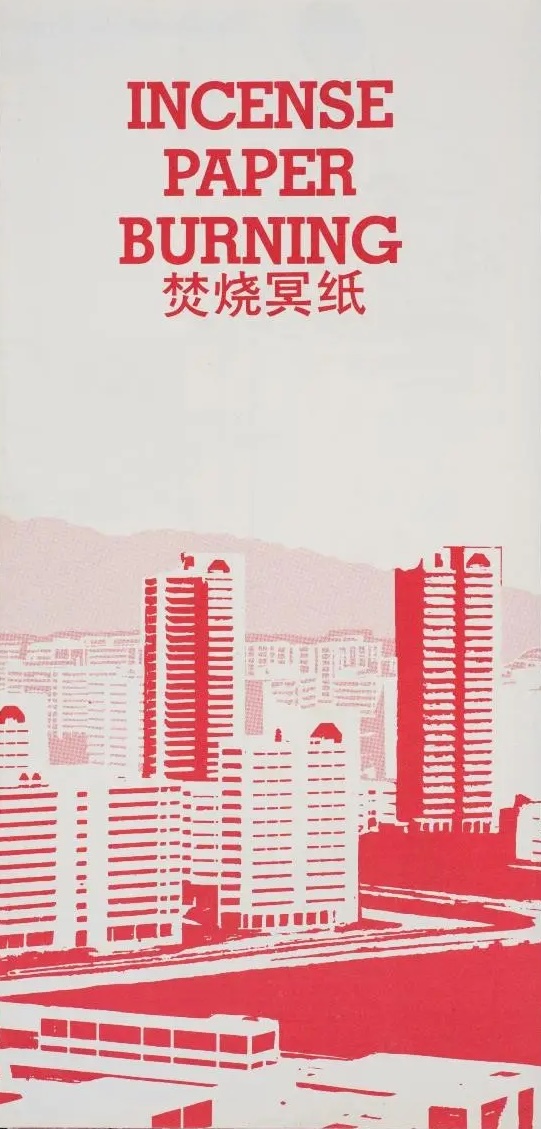 Fig. 3. Incense Paper Burning Booklet informing HDB residents on the dos and don’ts when burning incense paper, 1980s. Collection of National Museum of Singapore, accession no. 2014-00625.
Paper Offerings in the National Collection
The National Collection holds a wide variety of objects related to paper offerings, reflecting the extensive range of forms that such offerings can take. In general, paper offerings can be divided into two main categories. The first is the two-dimensional form, also known as "non-pitched" offerings. These refer to paper offerings that are “flat or foldable pieces of printed or painted paper.” The second is the three-dimensional "pitched" form, constructed with paper layered over a bamboo or wire frame. There are also in-between forms that fall somewhere between the two[5].
The most common “non-pitched” paper offerings are paper currencies. These are either used individually or in multiples. They may also be folded into a variety of shapes such as ingots and lotus flowers before being presented to the deities on the altar or used for burning.
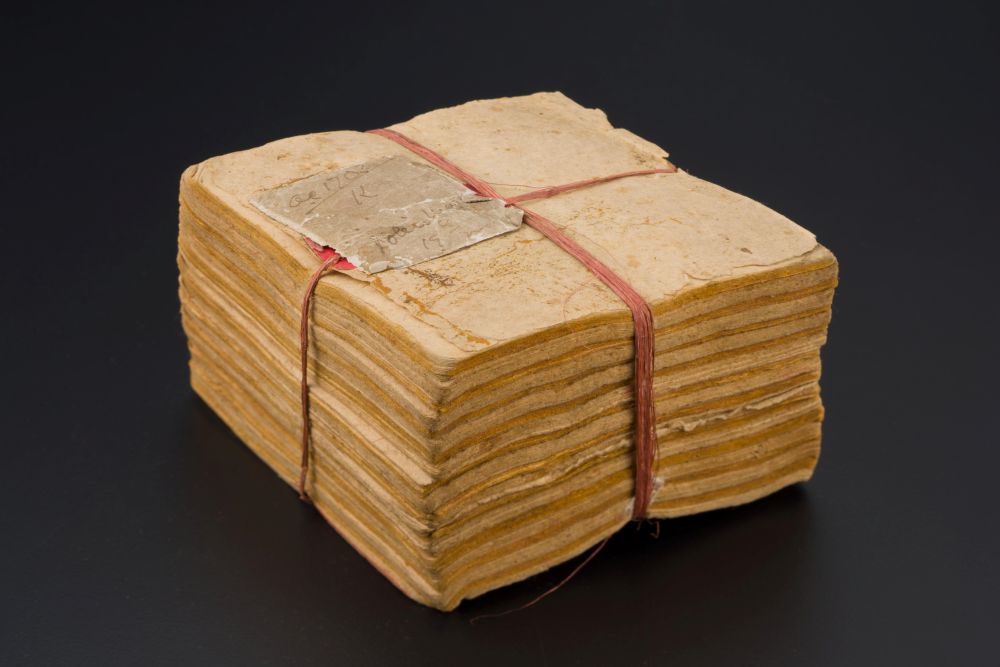 Fig. 4. A bundle of joss paper used in a tiandihui initiation ceremony, early 20th century. Collection of National Museum of Singapore, accession no. 1996-02822.
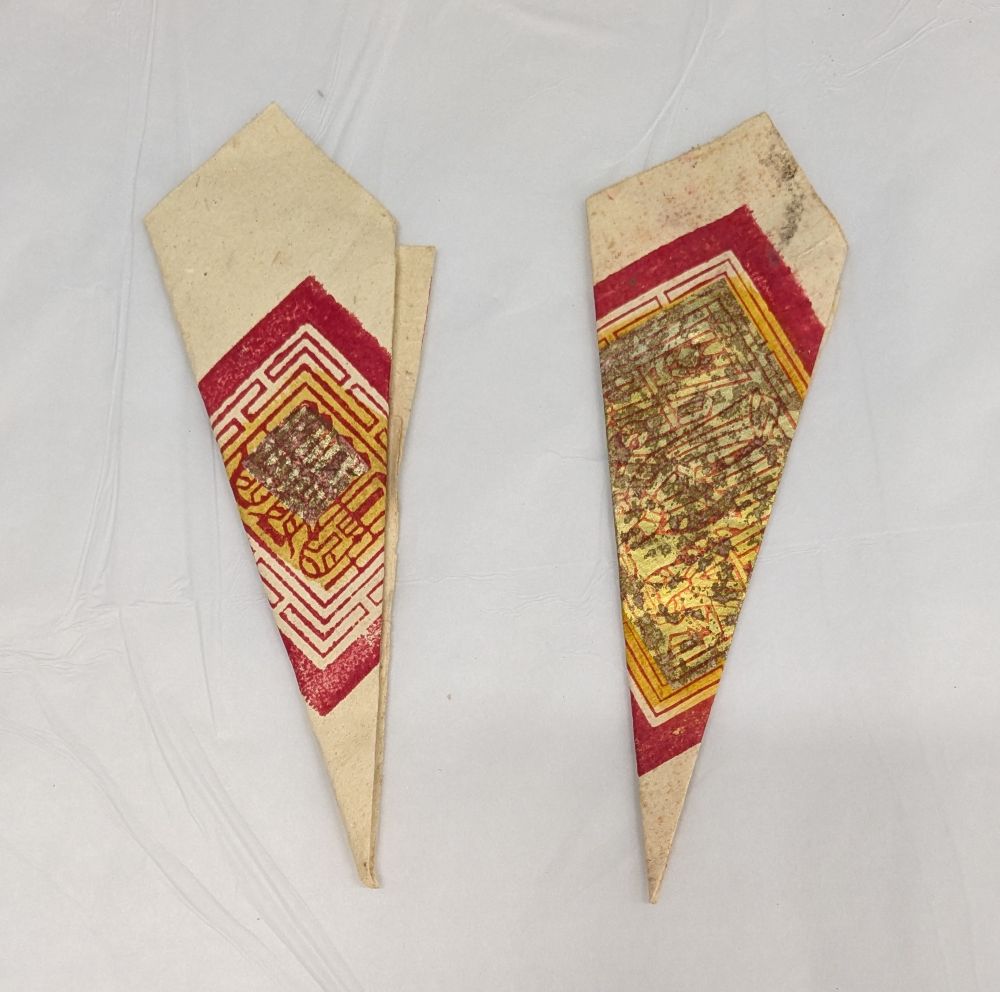 Fig. 5. Paper currency folded into a triangular shape, used for offerings in The Sin Yong Hua Heng Teochew Opera Troupe. Collection of National Museum of Singapore, accession no. 2001-05831-023.
The auspicious characters, symbols and phrases printed on each piece of paper currency offer clues as to whom the offerings are intended for, whether for the deities, ancestors or wandering spirits. From the collection of paper offering wooden moulds in the National Collection, one can observe the variety of symbols and motifs printed on paper currencies.
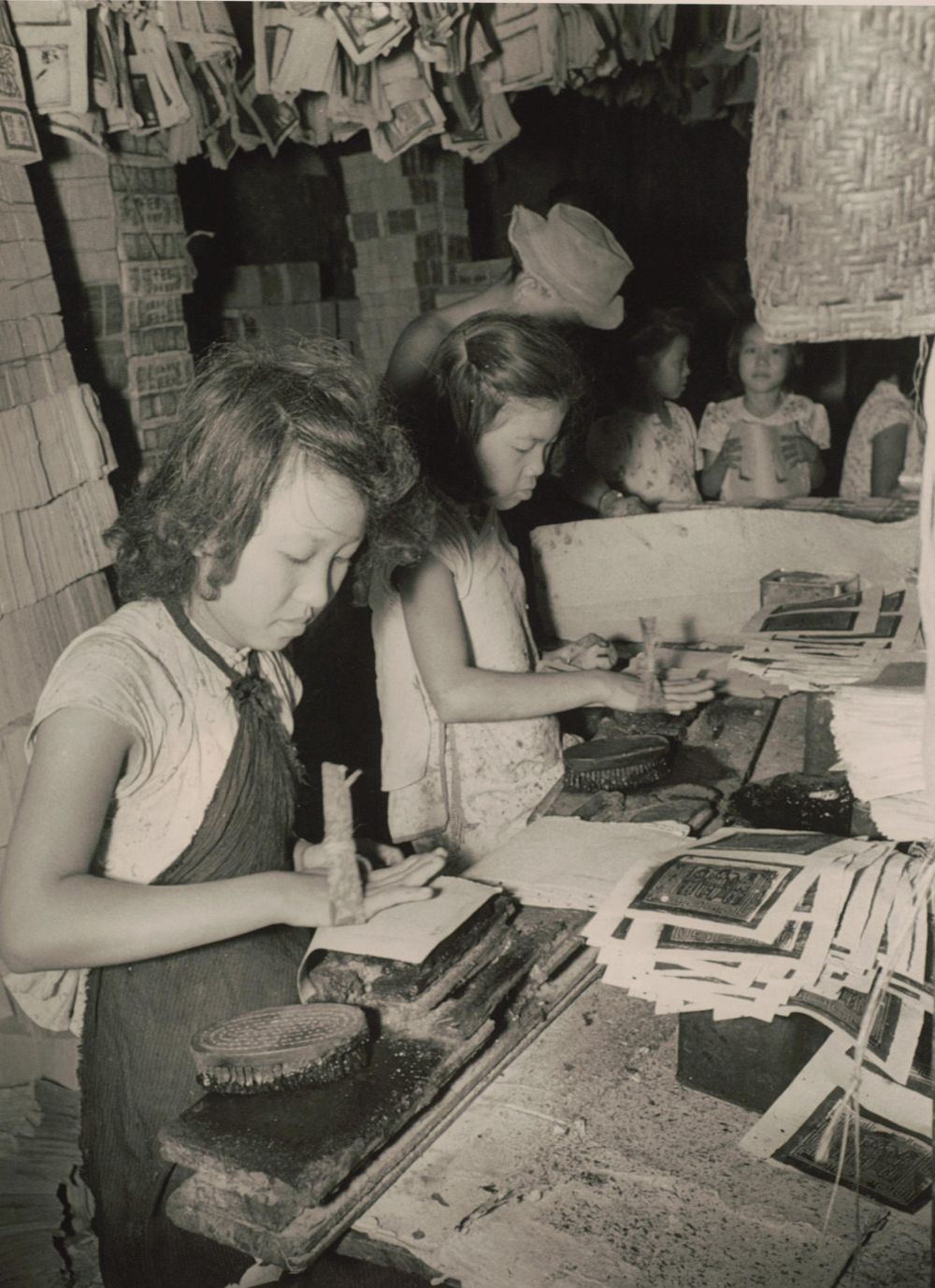 Fig. 6. In the past, each piece of paper currency was handprinted using wooden moulds on sheets of paper layered with tin sheets often coloured to resemble gold or silver. Collection of National Museum of Singapore, accession no. XXXX-13002.
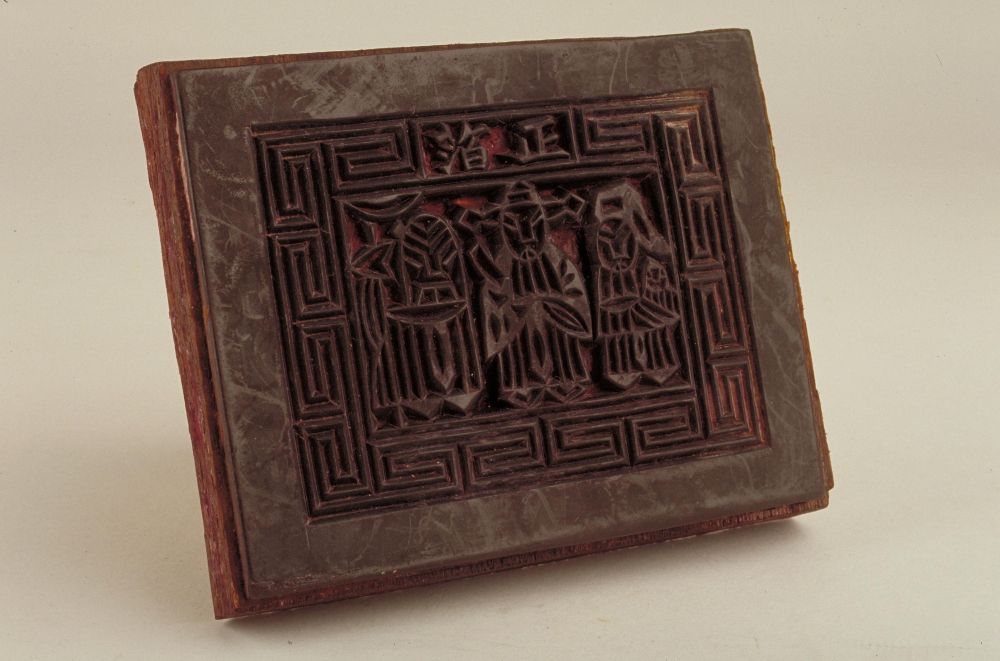 Fig. 7. Joss paper mould carved with the Three-Star Deities, comprising the God of Blessing, Emolument and Longevity. These deities are commonly found on Longevity Gold Paper (shou jin 壽金) burnt to honour deities to show gratitude and ask for long life. Collection of National Museum of Singapore, accession no. 1995-01551.
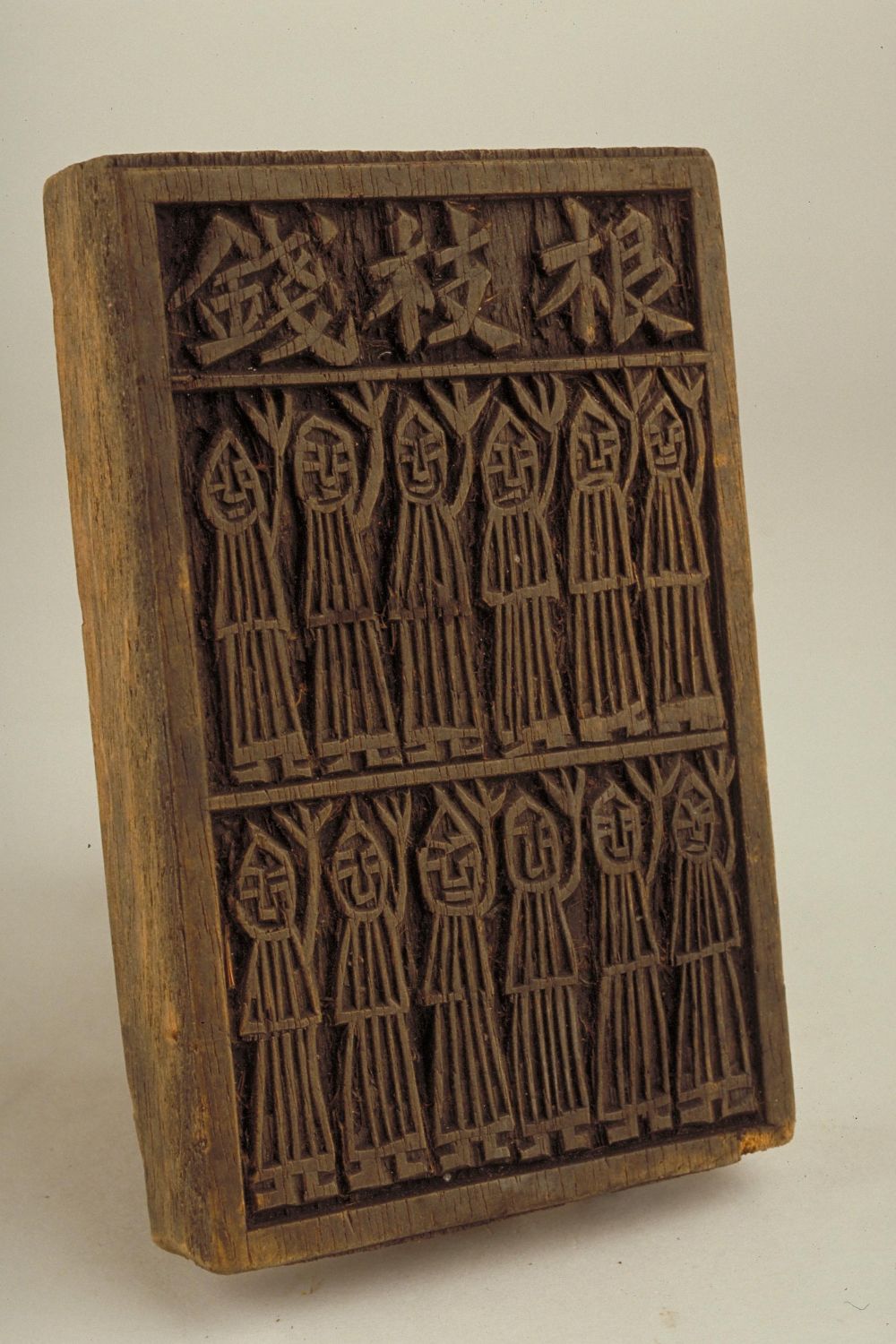 Fig. 8. Gen Zhi Qian (根枝钱 or “root and branch spirit money”) features branch figures and is typically used for praying to deities. Collection of National Museum of Singapore, accession no. 1995-01549.
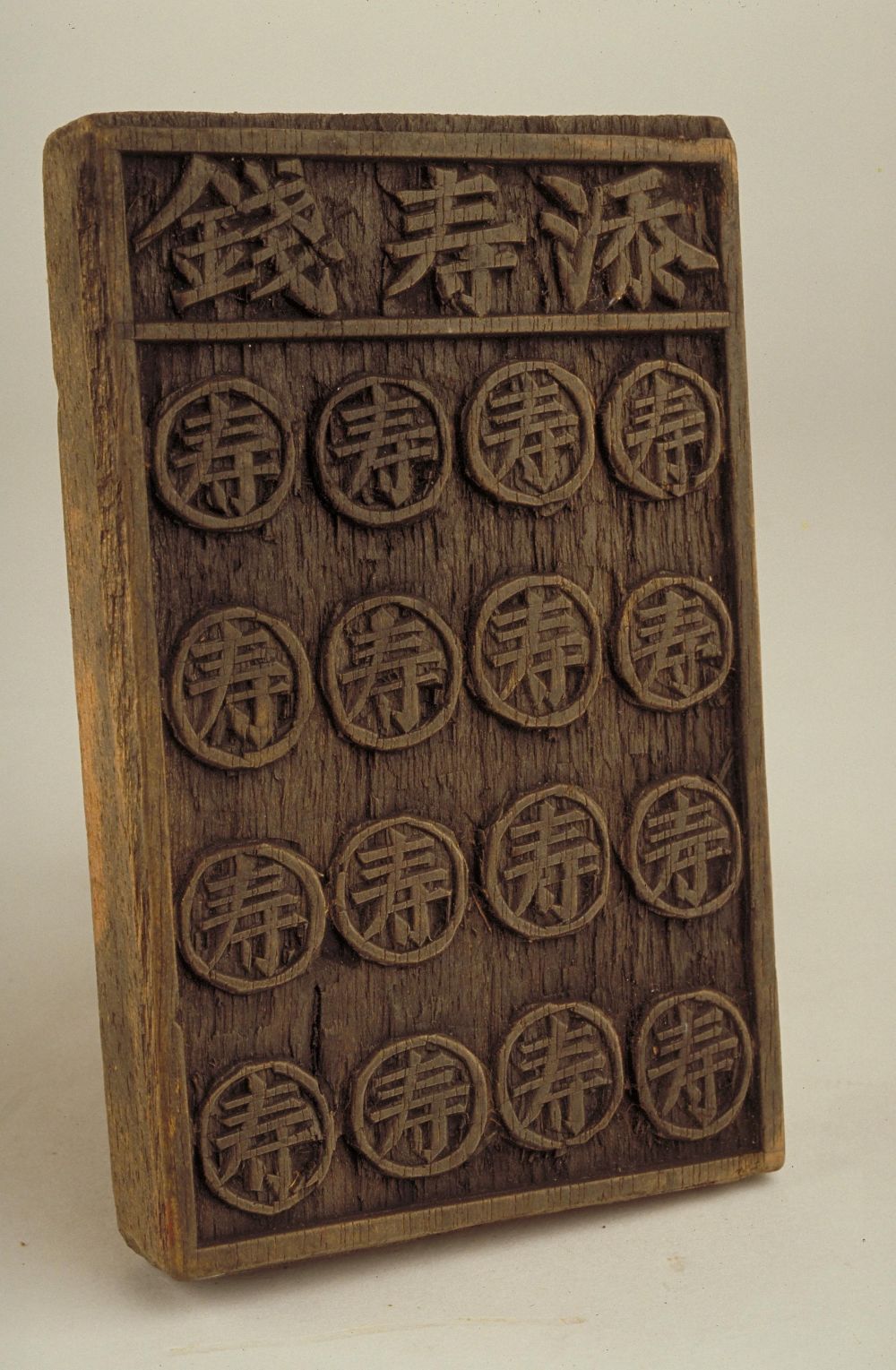 Fig. 9. Tian Shou Qian (添寿钱 or “longevity paper”) features the Chinese character for long life 寿 and is usually used to pray for longevity and good health. Collection of National Museum of Singapore, accession no. 1995-01548.
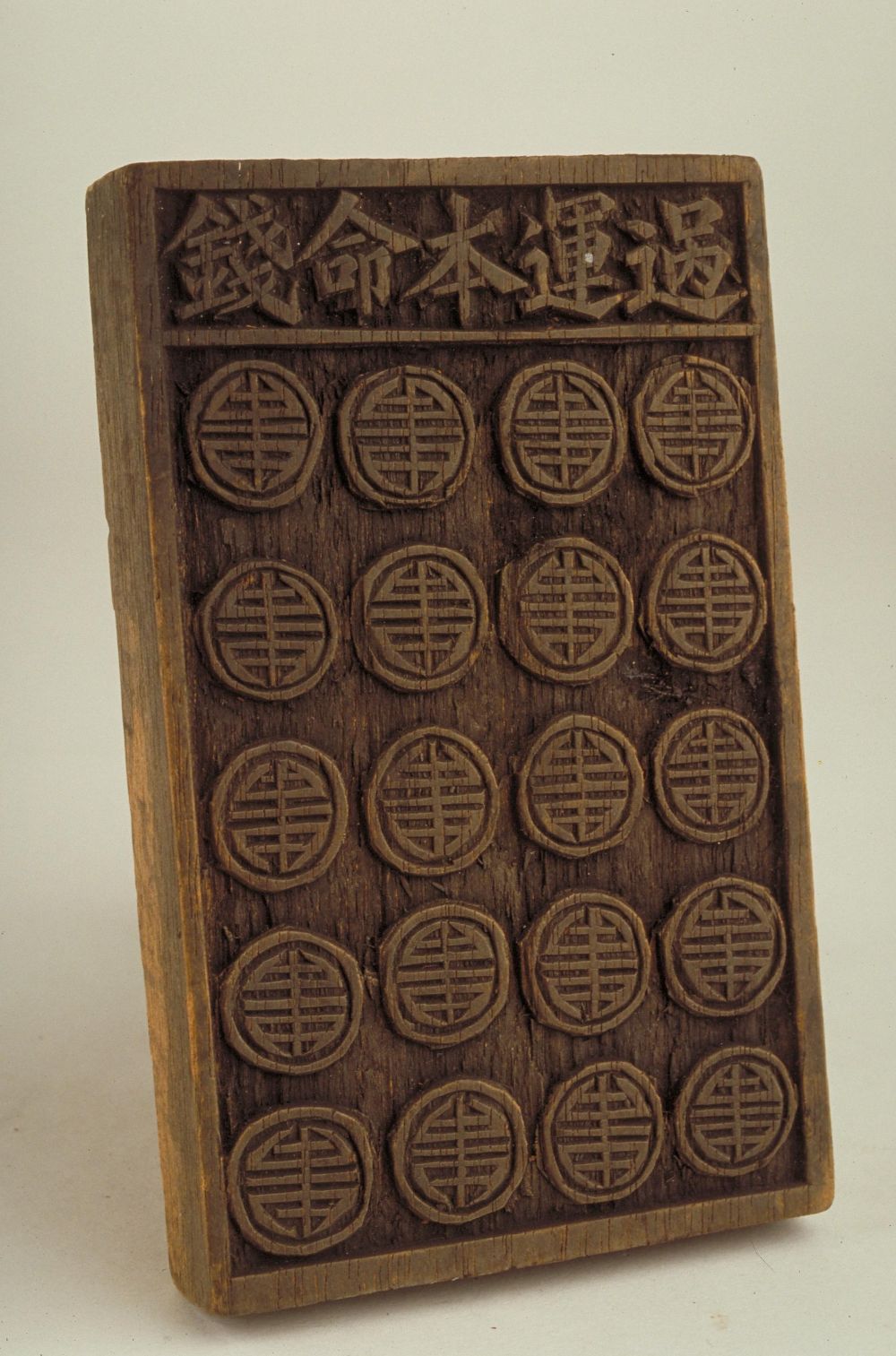 Fig. 10. Guo Yun Ben Ming Qian (过运本命钱 or “transit joss paper”). Collection of National Museum of Singapore, accession no. 1995-01547.
Beyond paper currency, paper offerings can also be burnt to provide clothing, armour, daily utilities and spiritual tools. For example, five-coloured or seven-coloured paper represents cloth for the deceased to tailor clothing in the spiritual world.
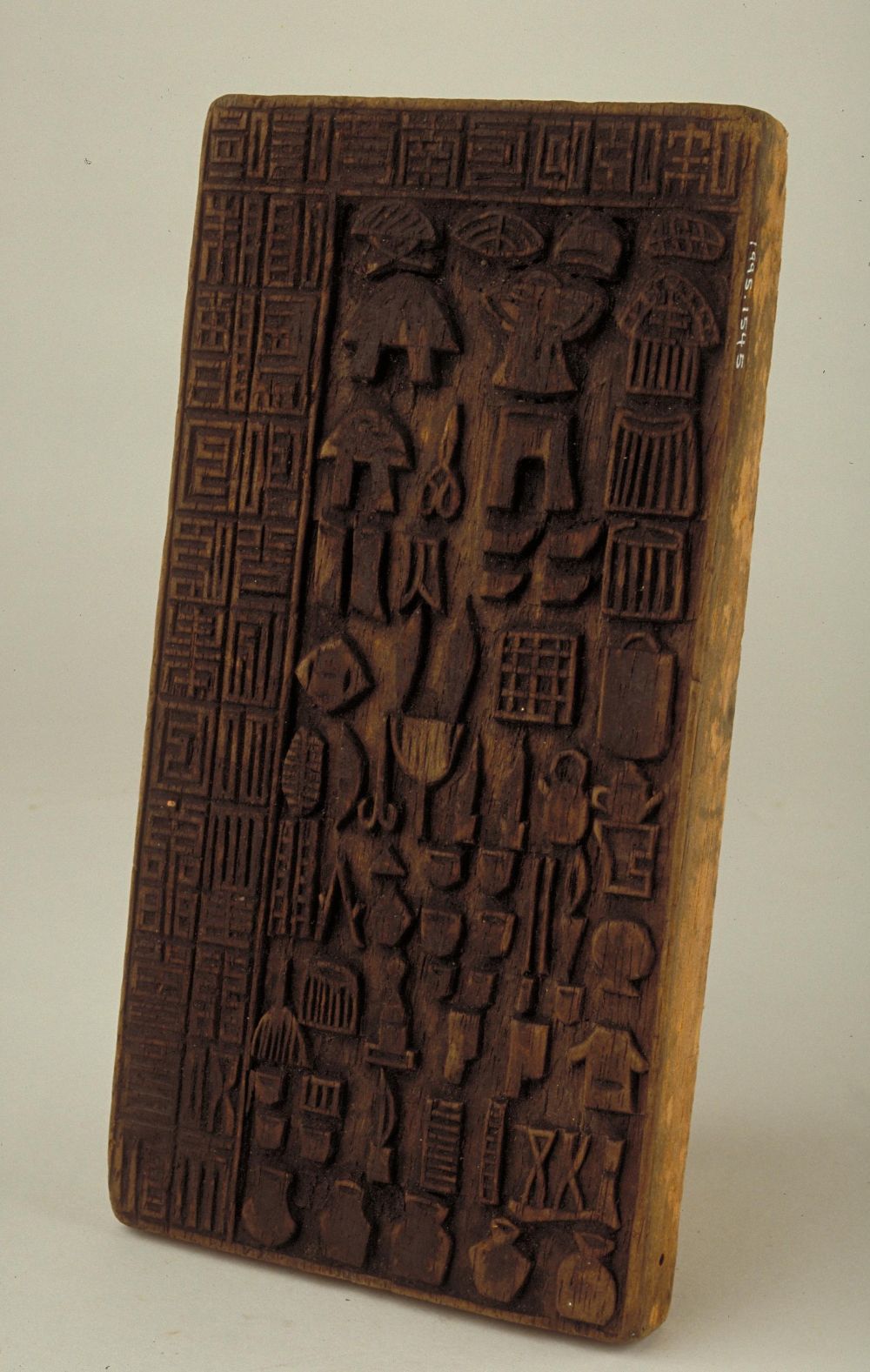 Fig. 11 Jing Yi (经衣 or “sutra clothing”)is printed with images of garments, trousers, and combs so that the wandering souls who receive these offerings can tidy and groom themselves. Collection of National Museum of Singapore, accession no. 1995-01547.
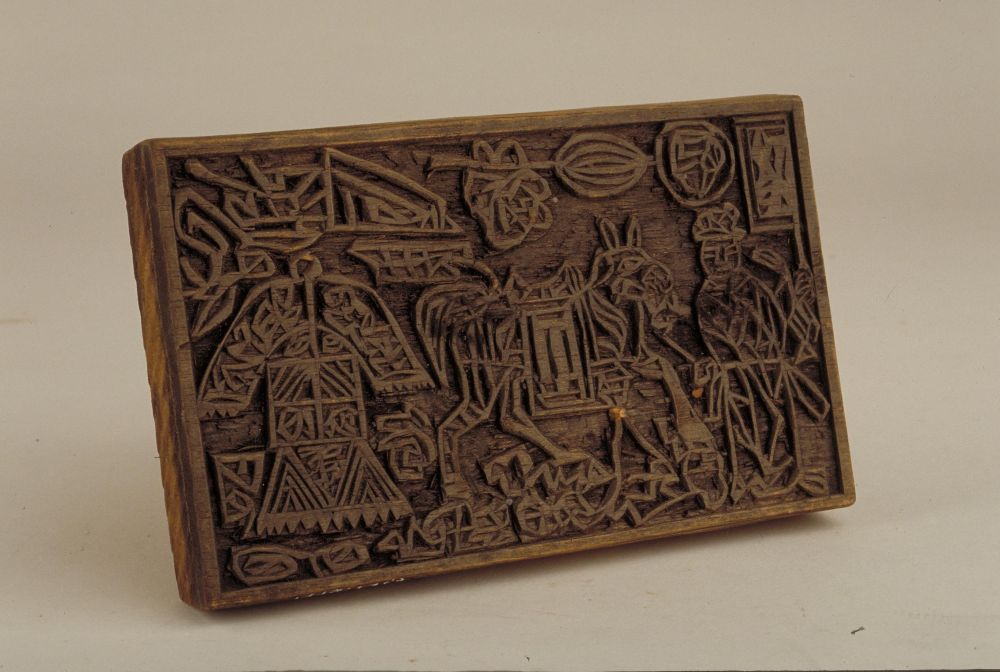 Fig. 12 Jia Ma Zhi (甲马纸 or “armour and horse paper”)is printed with horses, armours and flags which are burnt as provisions for mounts and troops under the deities’ command. Collection of National Museum of Singapore, accession no. 1995-01552.
The second form of paper offerings comprises three-dimensional “pitched” paper offerings. The most common examples are paper replicas of real-world items burnt for ancestors so that they can be used in the spiritual world -for example, paper houses and cars. The technique has also been used to create paper animals, deities, and boats burnt as part of rituals in religious festivals.
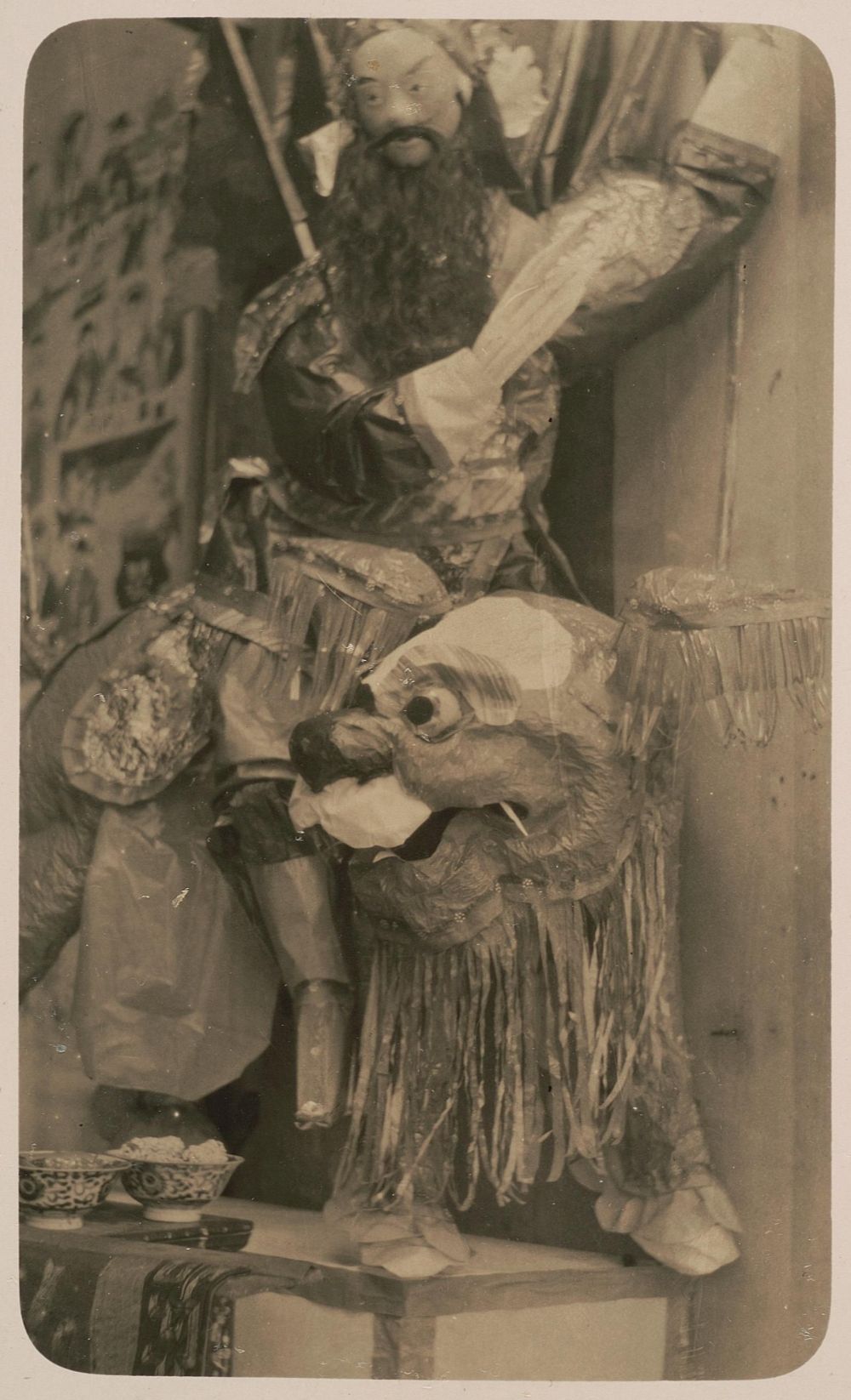 Fig. 13 Three-dimensional paper effigies used during funerals. Collection of National Museum of Singapore, accession no. 1991-00345.
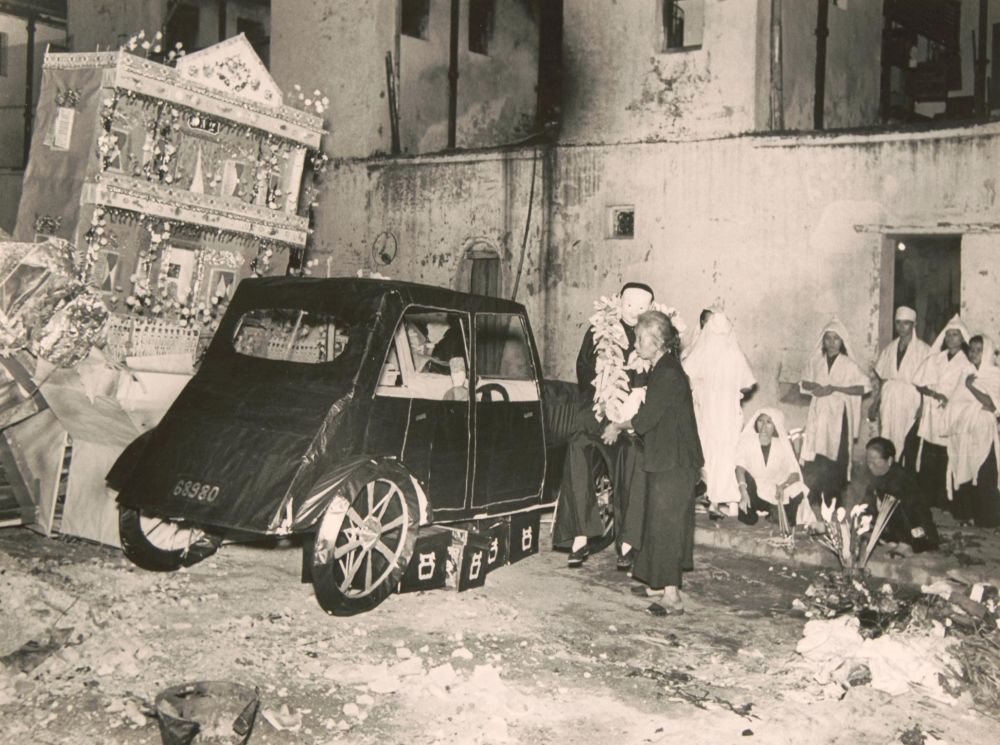 Fig. 14 Paper houses and cars burnt for funerals, 20th century. Collection of National Museum of Singapore, accession no. 2009-00903.<
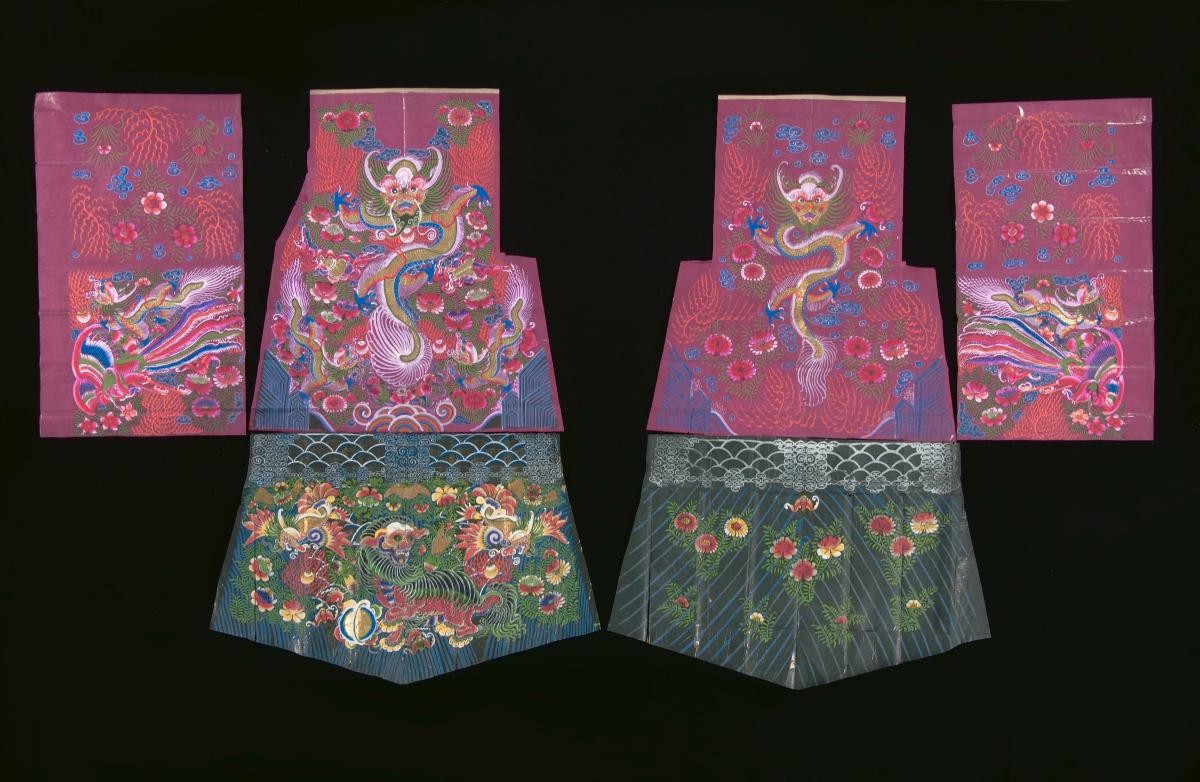
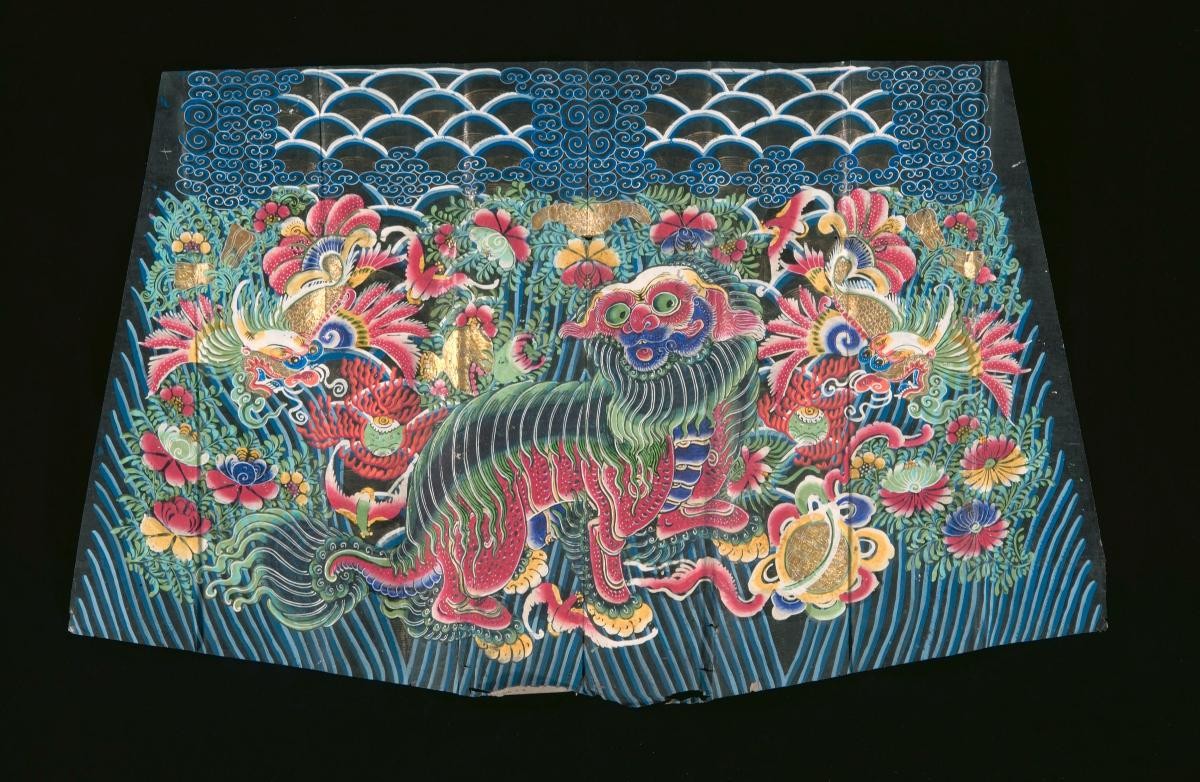
Lastly, the in-between forms of paper offerings fall between the flat and fully three-dimensional forms. They include papier-mâché figurines used in rituals of religious festivals, as well as paper clothing offered to deities or ancestors. Such objects incorporate internal structures that are not created from bamboo or wire frames but from banded and layered pieces of paper with flour paste or dilute glue to create thickness and layers within the work. The category can also refer to sets of paper offerings — such as deity robes — that combine two-dimensional paper crafts with three-dimensional accessories like shoes, armour, and bags.
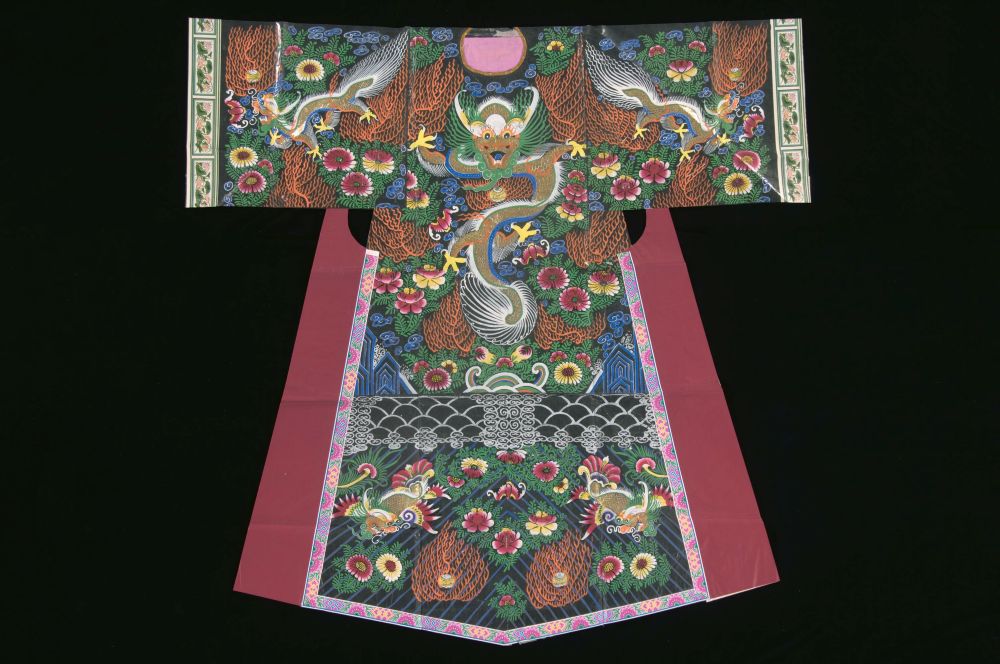 Fig. 15 Paper robe for deities, featuring classical robe design with intricate patterns and auspicious animals, c. 1930s - 1950s. Collection of National Museum of Singapore, accession no. 2007-56493.
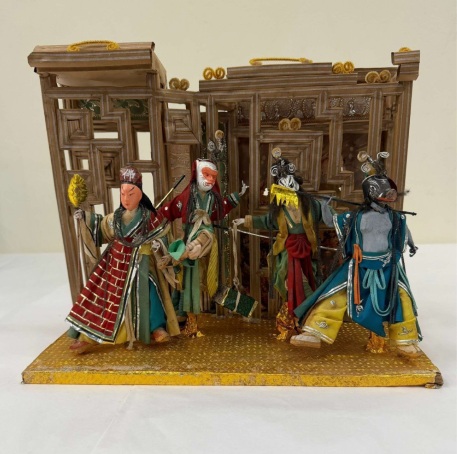 Fig. 16 A set of Journey to the West paper effigies, 1950s. Collection of Sun Yat Sen Nanyang Memorial Hall, accession no. 2025-01491.
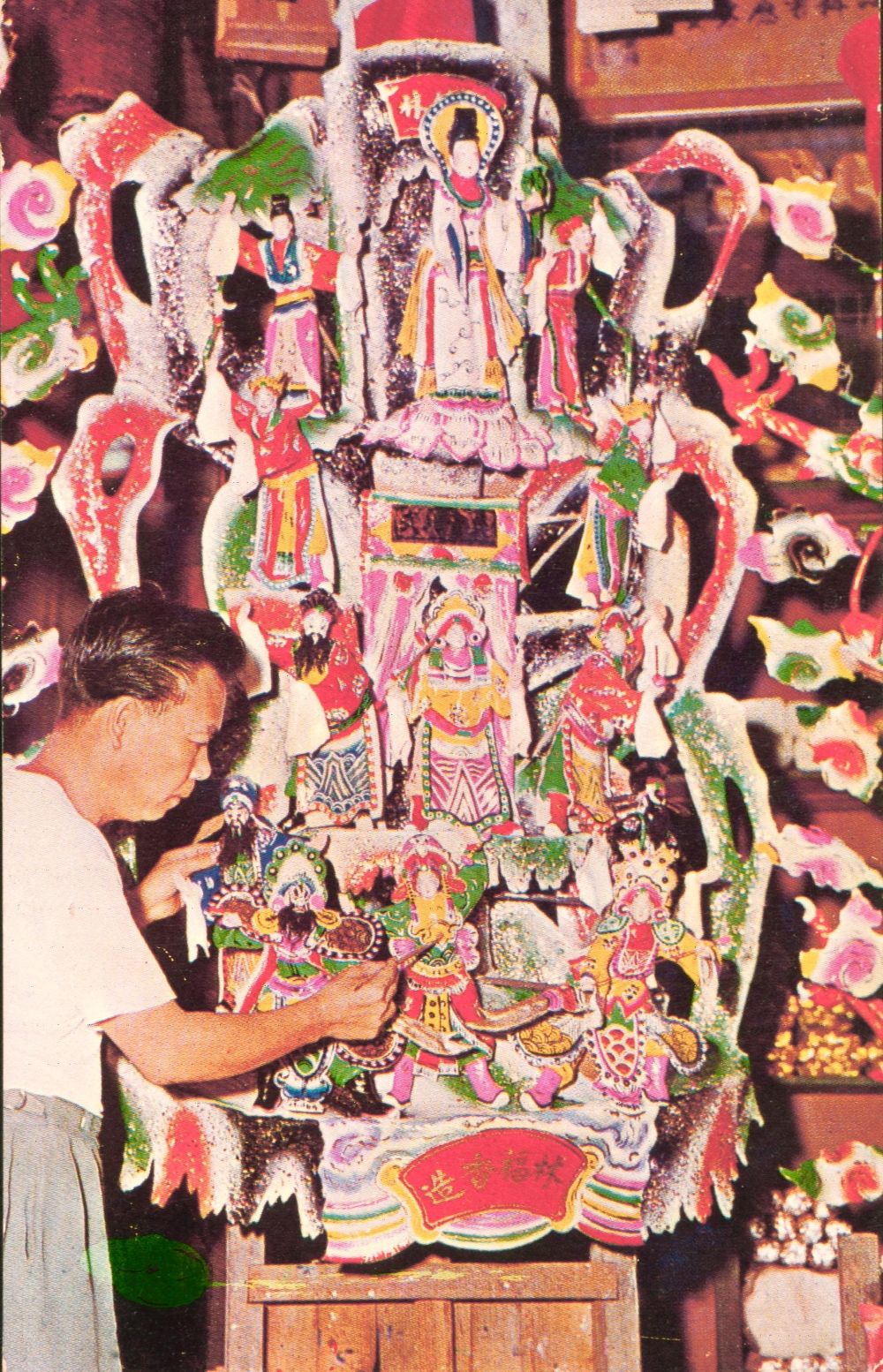 Fig. 17 A man painting a paper effigy, 1960s - 1980s. Collection of National Museum of Singapore, accession no. 2008-03848.
Voice of a Craftsman: Francis Tan Kwee Chye
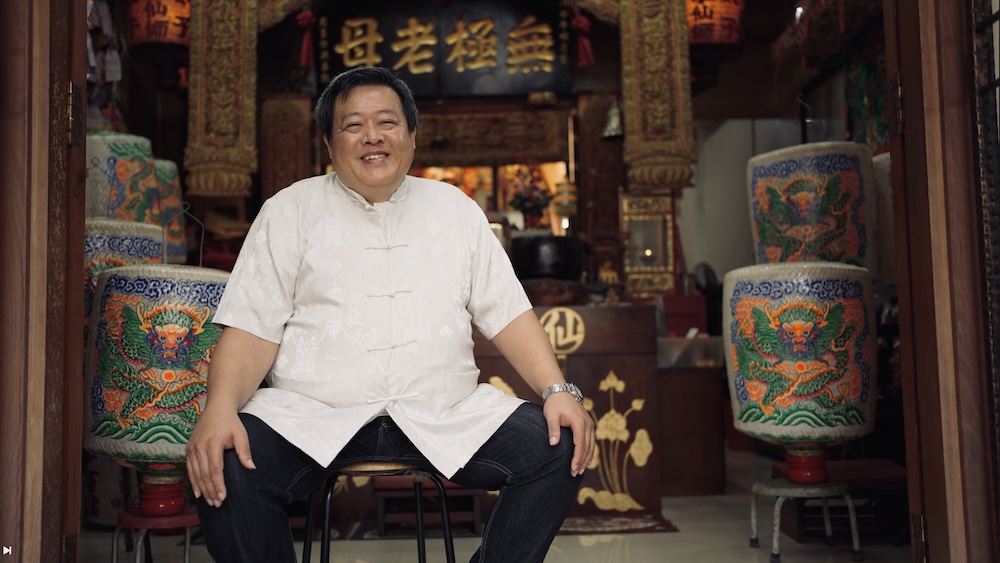 Fig. 18 Francis Tan
Francis, a traditional paper effigy maker, began his journey into making paper crafts the way many artisans do in Singapore — not in a formal school, but through observation and hands-on experimentation from the age of eight. He was first exposed to paper offering crafts through street operas, which his mother would bring him to watch. Captivated by the beauty of the paper crafts that were on display, he began to experiment with different techniques. Over time, he developed his own moulds and created original pieces.
The community of customers that visited Francis for paper offerings ranges from temples, small paper offering supply shops, and festival organisers, particularly those who organise the Hungry Ghost Festivals. Francis also receives requests from individual clients who commission personalised pieces — customised items that hold special meaning for their deceased loved ones but are not commonly found elsewhere. In one memorable commission, Francis crafted a paper folded fan — complete with wire and a power bank — for a father who wished to send this thoughtful gift to his deceased daughter in the afterlife.
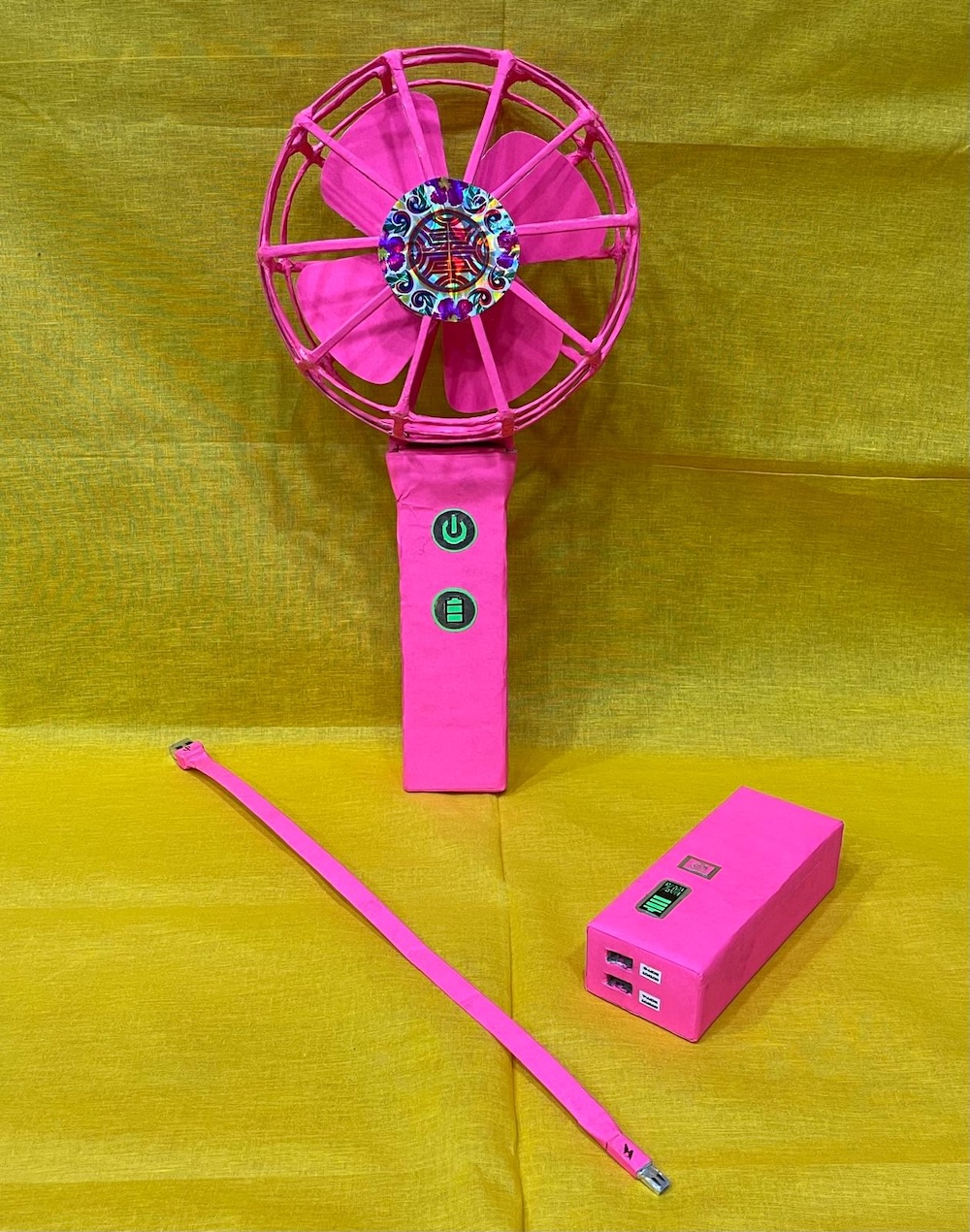 Fig. 19 Folded Fan
The process of constructing a paper offering itself is methodical and layered. The craftsman uses several techniques including “cutting, folding, punching, crushing, shaping and pulling”[6]. For example, for Francis to construct a Da Shiye (大士爷) or Tai Si Ye, would require several weeks of work. Below is an overview of the crafting process:
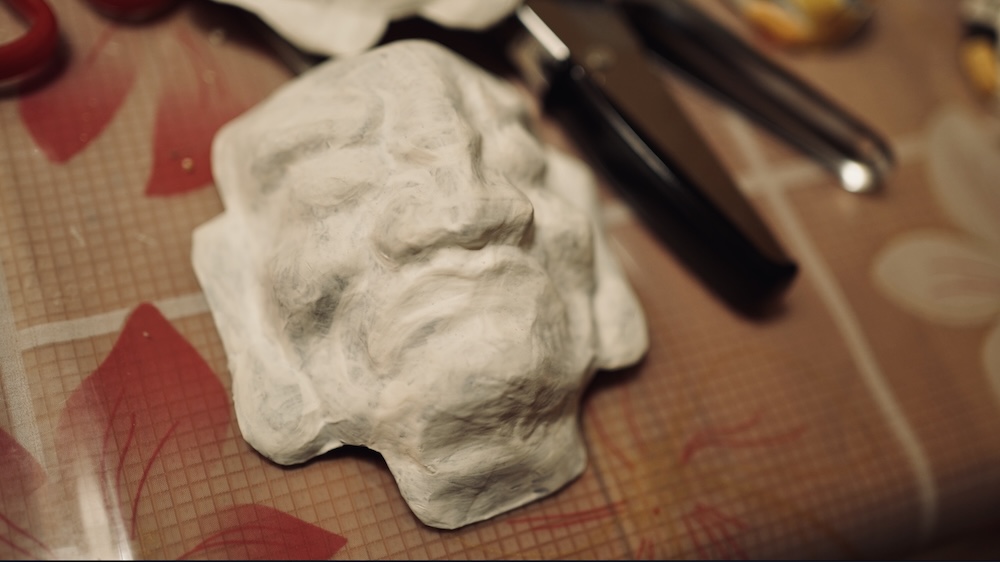
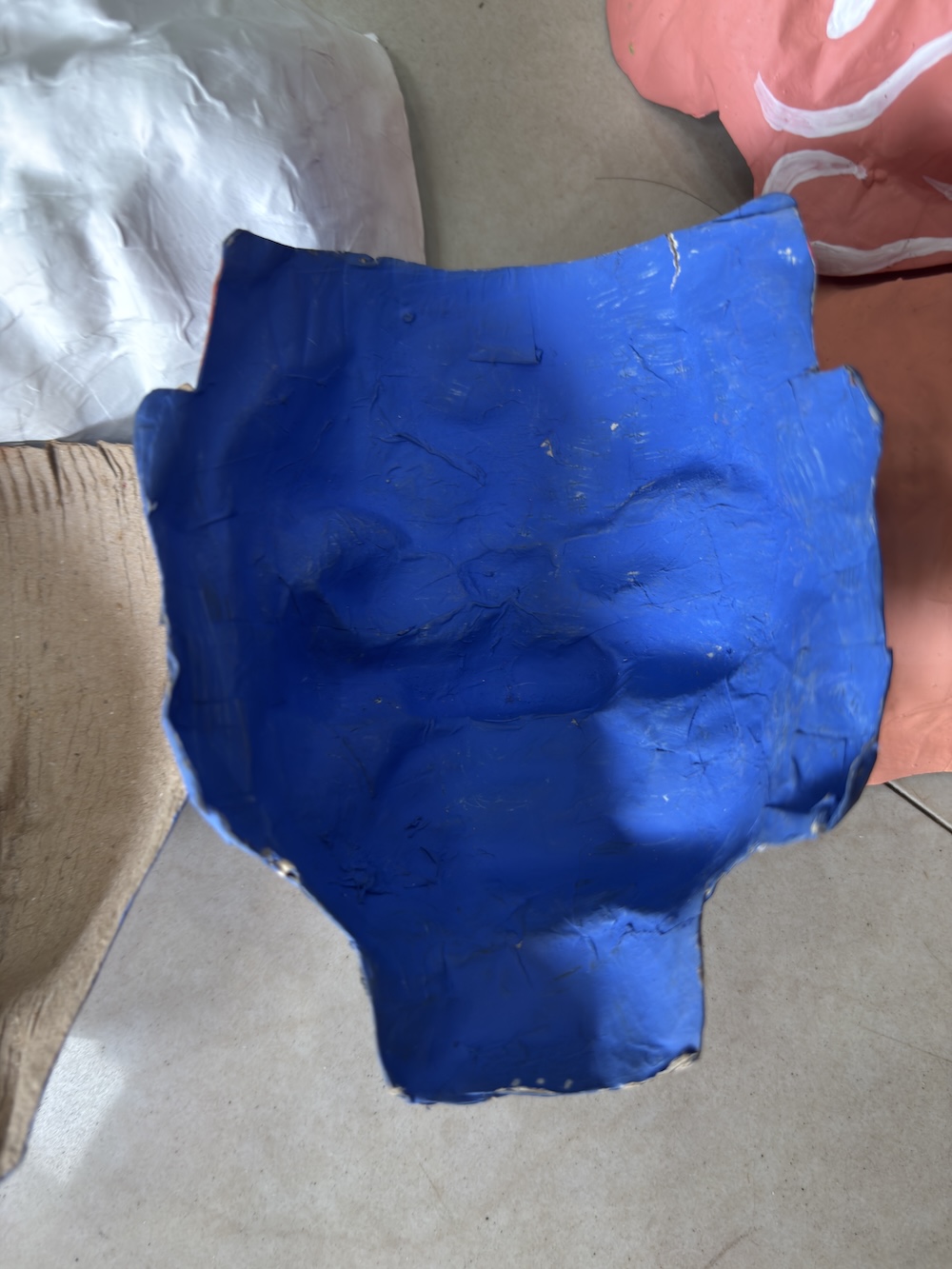
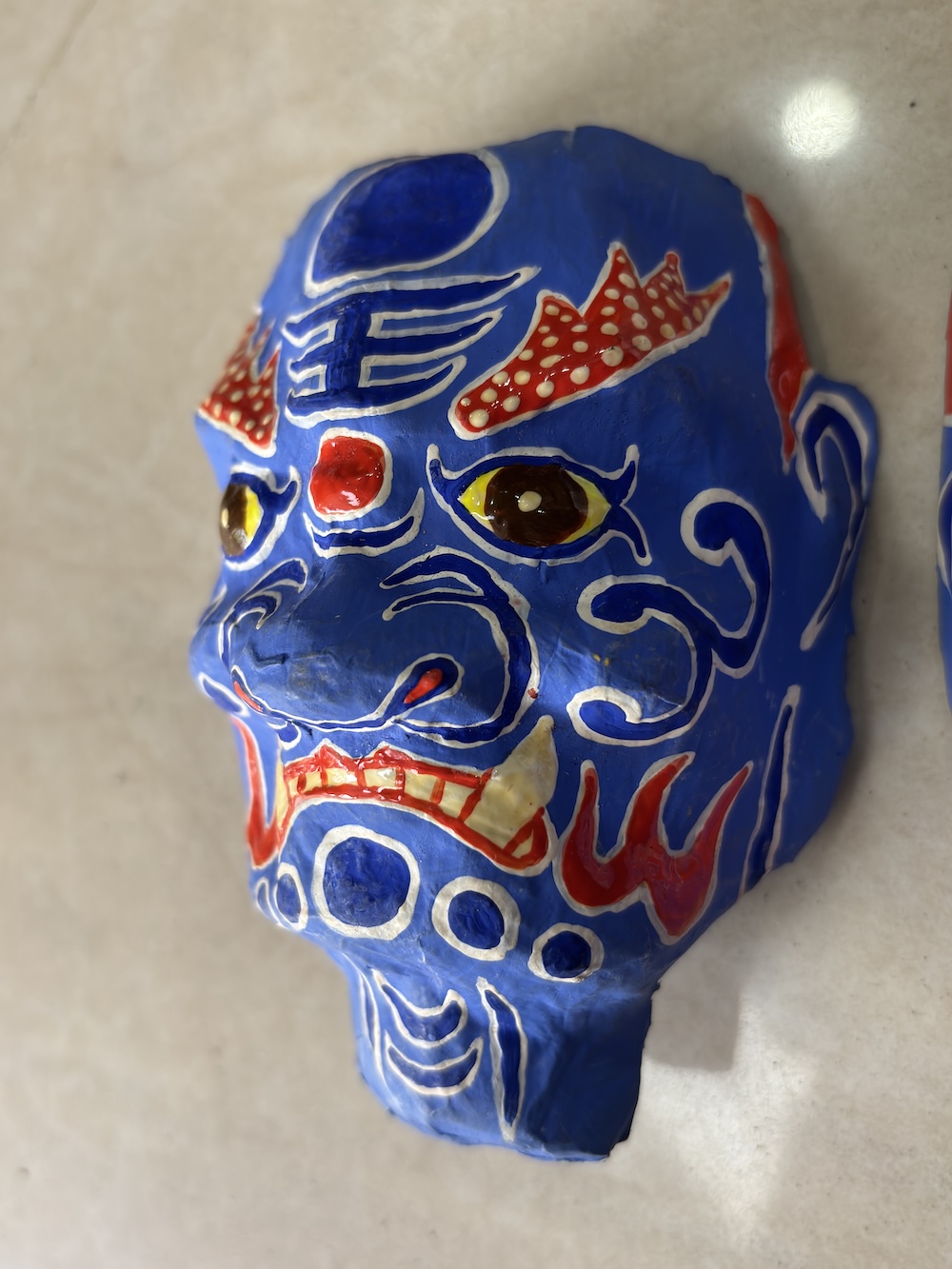
(1) Sculpt Heads: Heads of deities are casted and sculpted from pre-prepared moulds. Layers of papers are pressed into the mould and bond with glue. Once dried, the mask is painted and detailed, bringing out the expressions and character of the deity.
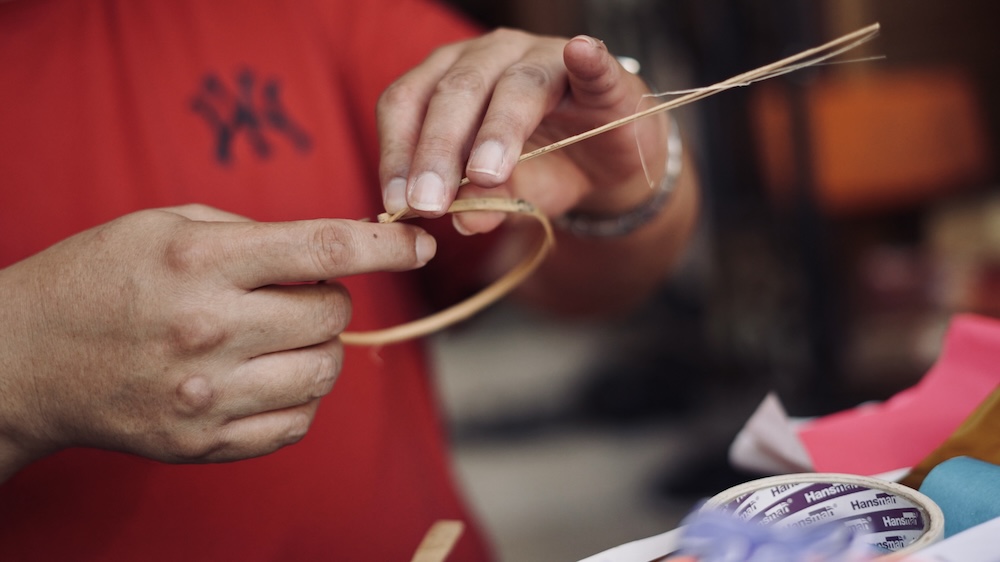
(2) Build Frame: A combination of bamboo and stiff cardboard is twisted and bent to create the body frame.
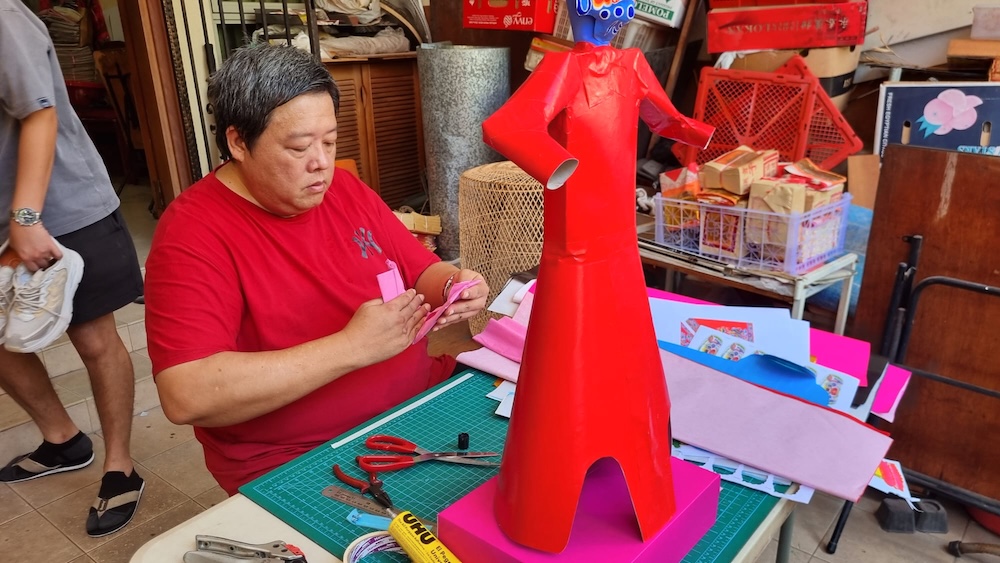
(3) Create Form: The frame is covered with red paper, and the legs and hands are attached to create the effigy's basic form.
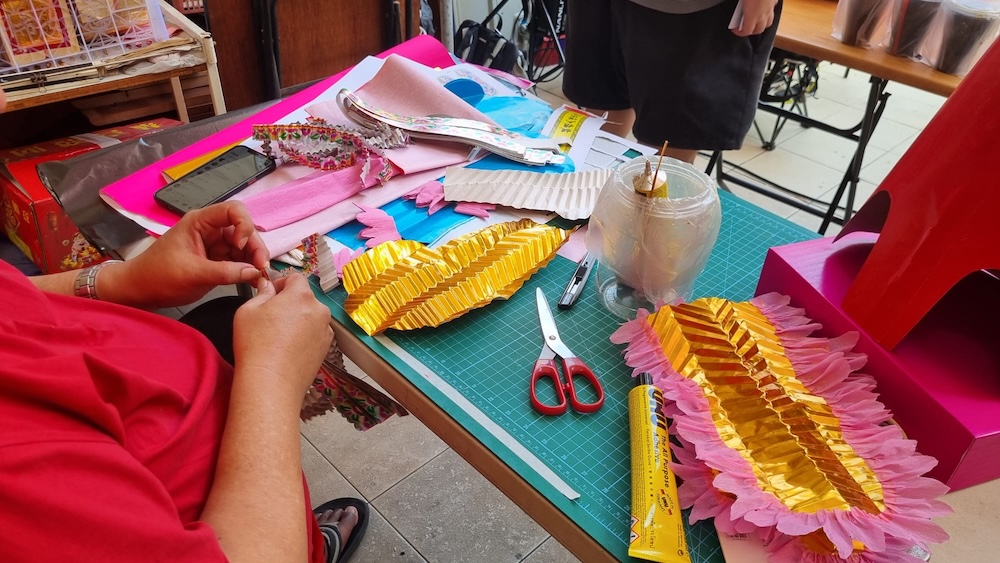
(4) Add Features: Additional paper ornaments and clothing details are being measured, cut and folded from a wide array of brilliant and exuberant coloured papers.
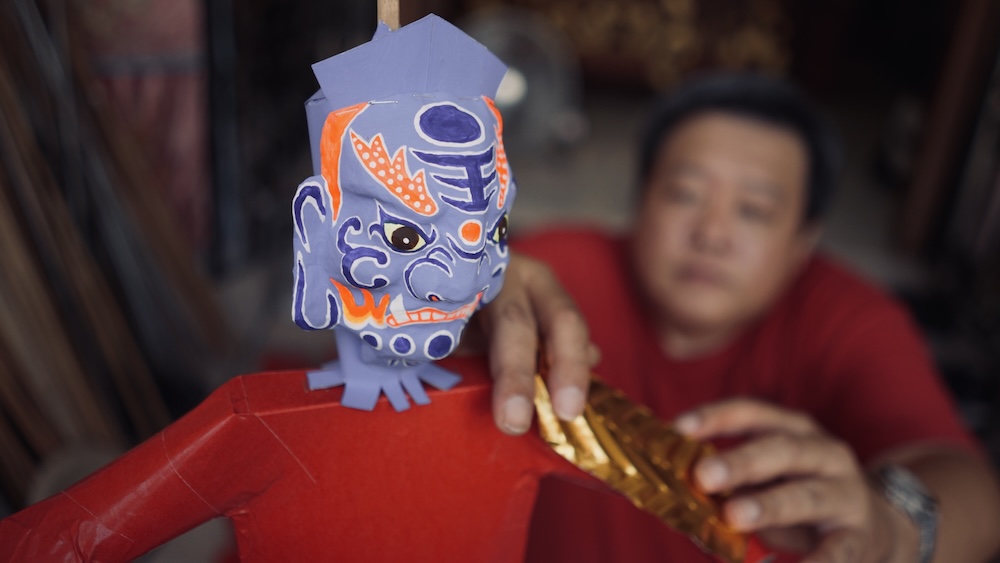
(5) Dress and Finish: The clothing details and ornaments are glued on the effigy. The effigy is left to dry before the additional touch ups.
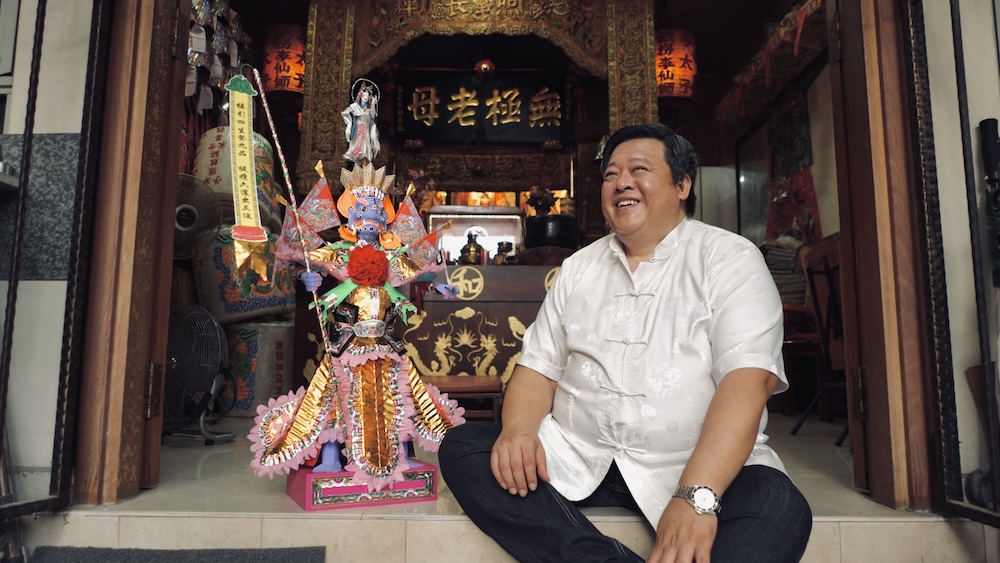
(6) Product: Francis posing with a completed Tai Si Ye - a deity commonly featured during the Hungry Ghost Festival.
The paper offering industry continues to face many challenges. Fewer practitioners today possess the traditional skills that once defined the craft. Cheaper, mass-produced printed alternatives also affected the willingness of customers to pay for handcrafted paper offerings. Customers are also burning fewer paper offerings and commissioning smaller size offerings due to shifting cultural practices. In response, Francis has leaned into what sets him apart: a commitment to traditional workmanship and customisation. He continues to work on intricate commissioned pieces that showcase the skills of hand-crafted paper offering-making. He has also embraced partnerships with cultural organisations and content creators to document the craft to reach new audiences. For Francis, the value of paper offerings lies not only in their ritual function but in the human skill and devotion embedded in every fold, cut and brushstroke — a labour of care that, though destined for the flames, speaks to the enduring bonds between the living and the dead. As long as there are those willing to learn and practise the craft, the tradition of paper offerings will continue to find its place in Singapore's living cultural heritage.
Notes
[1] Chris Gaul, For Heaven’s Sake: Hong Kong’s Paper Offerings for the Afterlife, (The Chinese University of Hong Kong Press, 2022).
[2] Janet Lee Scott, For Gods, Ghosts and Ancestors: The Chinese Tradition of Paper Offerings, (Hong Kong University Press, 2007), 40-47.
[3] “The use of kilns is impractical” The Straits Times, 18 February 1987, 16.
[4] “More using bins to burn joss paper” The Straits Times, 16 August 1989, 23.
[5] Janet Lee Scott, For Gods, Ghosts and Ancestors: The Chinese Tradition of Paper Offerings, (Hong Kong University Press, 2007), 25-34.
[6] "Making of Chinese Paper Offerings," Roots, National Heritage Board, accessed July 31, 2026, https://www.roots.gov.sg/ich-landing/ich/making-of-chinese-paper-offerings