
Making and Repairing of Malay Drums
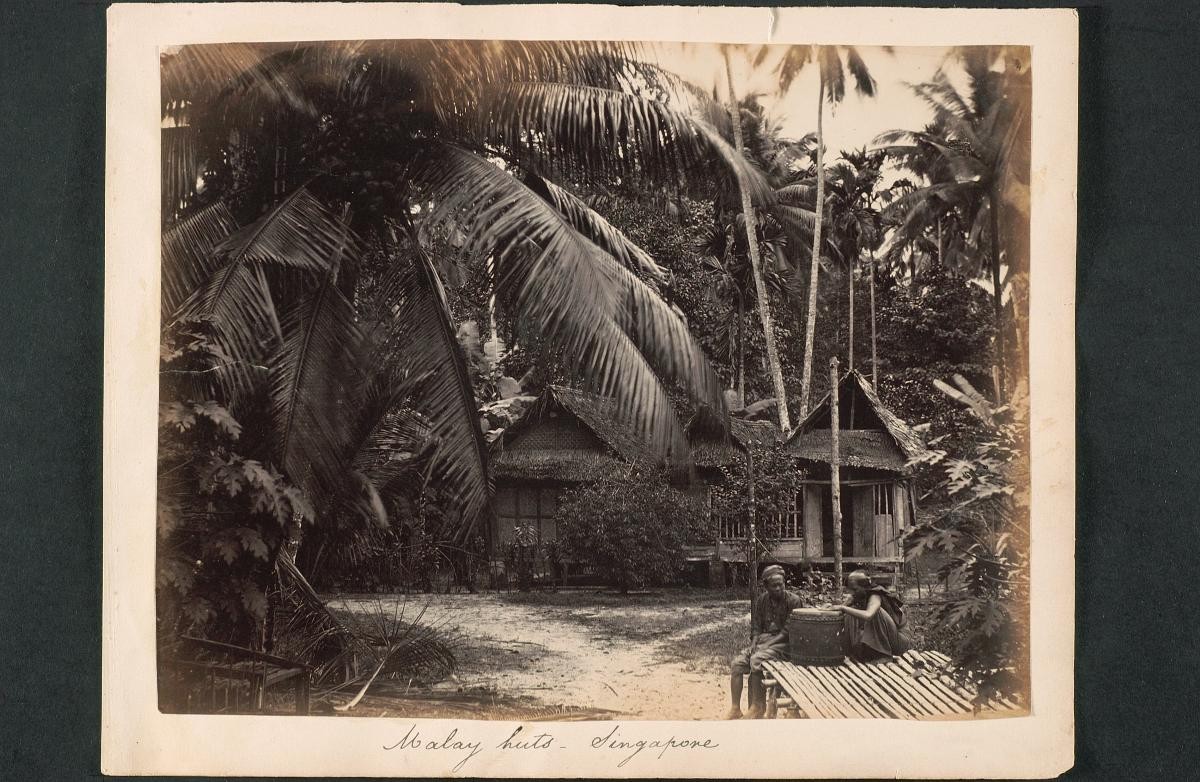
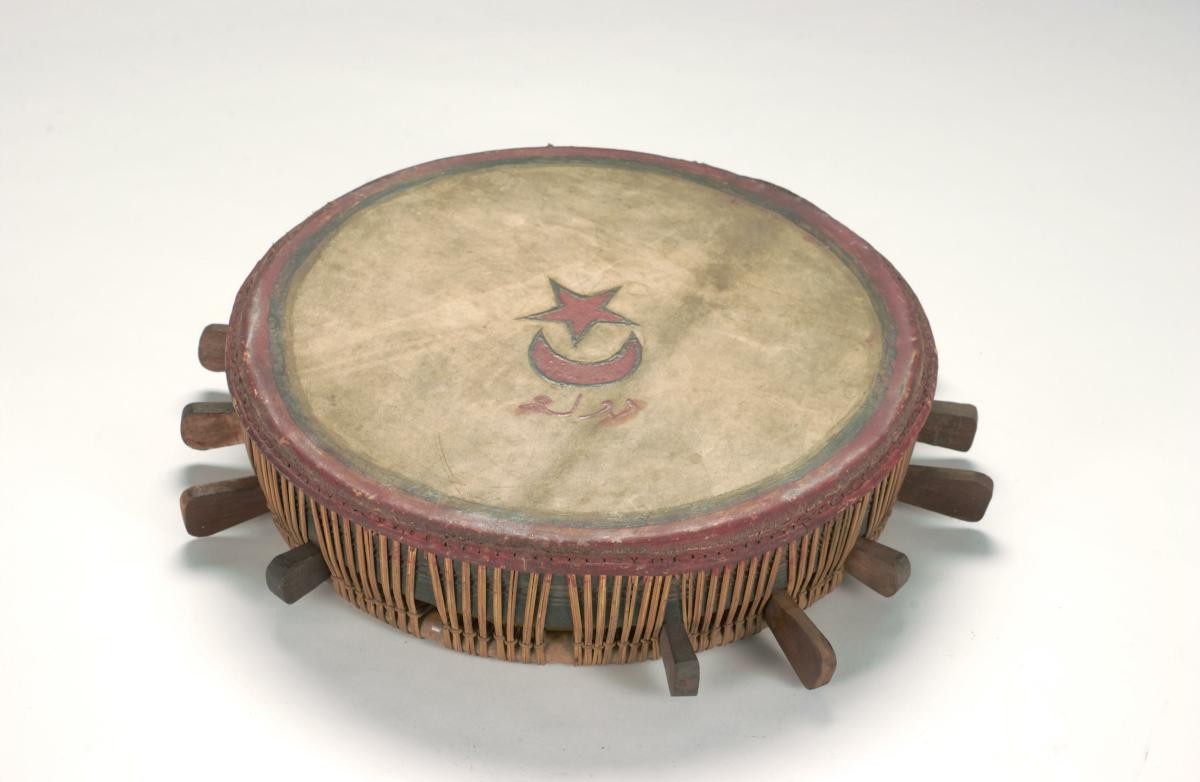
Malay drums play a vital role in the various types of Malay performing arts and traditional music performances. They include the kompang (hand frame-drum), hadrah (hand frame-drum with attached brass discs), gendang (two-sided hand-drum), marwas (small two-sided hand drum commonly used in zapin performances), and rebana ibu, anak and asli (one-sided frame drums of various dimensions). In the 1990s, Singapore witnessed the flourishing of the local Malay cultural scene, with traditional Malay orchestras (orkes tradisional Melayu), dikir barat, silat and other Malay poetic forms gaining popularity. This, in turn, encouraged the revival of drum-making, a previously extinct craft in Singapore.
Geographic Location
Besides Singapore, traditional Malay drums are also made in countries around the region, including Malaysia, Indonesia and Brunei. One of the places with an established tradition of drum making is the island of Bengkalis in Riau Province, Indonesia. Kompang practitioners in Singapore regard its kompang Bengkalis Riau as some of the finest of kompang.
Communities Involved
In Singapore, drum making is a niche service. Within the Malay percussion circuit, there are just a few individual experts in making, repairing and maintaining Malay drums.
Associated Social and Cultural Practices
Only the rebana and kompang are produced in Singapore. There are three main steps to the drum-making process: firstly, the wooden frames of the drums are crafted using local varieties of wood; secondly, the drum membranes (or drum heads) are prepared and affixed to the frames; and thirdly, the tuning parts are added to the drums.
Rebana frames are usually made from Moluccan Ironwood (Intsia Bijuga), which is commonly known in the region as merbau. On the other hand, the hardwood from cengal (Neobalanocarpus heimii) is often used to make kompang frames. The different materials give the drums their specific sounds when struck, with differences in richness, accent and depth. To maintain the crispness of the sounds, the membrane of rebana is tuned with a wooden tuning wedge and that of kompang is affixed with a rattan hoop. Intricate designs and patterns are sometimes carved onto the outer frames of rebana and kompang.
Experience of a Practitioner
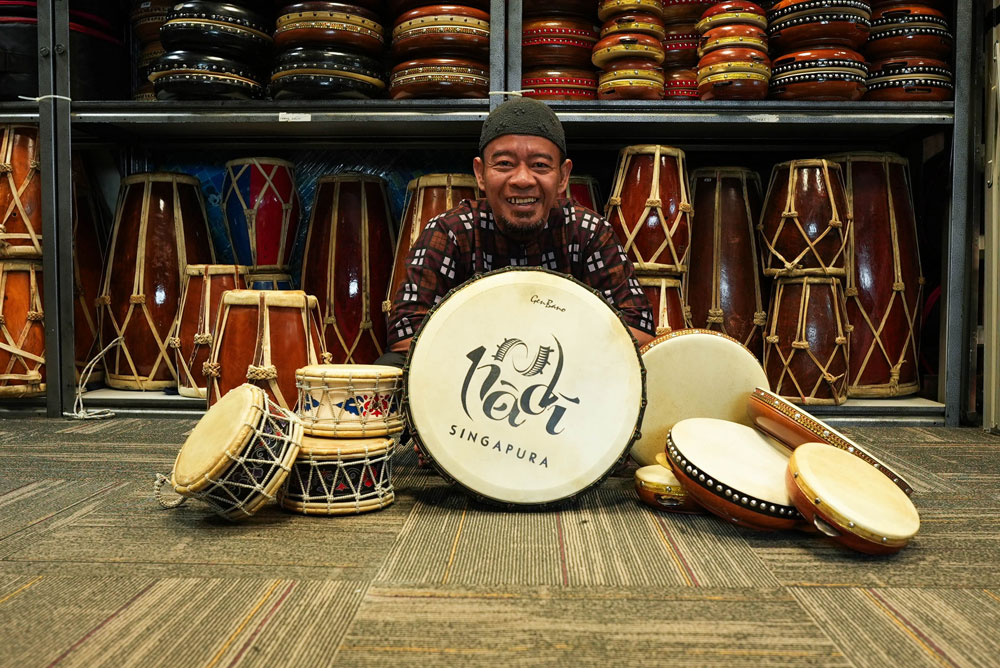
Mr Yaziz Hassan is a percussionist, drum expert and drum maker. He is also the co-founder of the Malay drum ensemble, NADI Singapura. His passion in traditional Malay music, particularly in percussion, was ignited at the young age of 12 when he became involved in dikir barat as a rebana ibu player.
His journey in drum making and maintenance began when his drum skin tore during a visit to Pekanbaru in 1996. He had to seek the assistance of a drum maker, who showed him how to maintain his drums. Through the years, Mr Yaziz Hassan also attended various traditional music festivals around the world, where he learnt and honed different skills and techniques in drum making. Since, Mr Yaziz has been recognised by the National Heritage Board (NHB) as a Steward of Intangible Cultural Heritage - having received the award in 2024.
Presently, Mr Yaziz Hassan assists dikir barat groups, traditional Malay orchestras, school bands and other percussionists in maintaining and repairing their drums, as well as making new ones. With an increased demand for such services, he has trained 10 younger NADI Singapura members to repair traditional Malay drums. Besides traditional Malay drums, he is also adept at making other percussion instruments, including the cajón, a Peruvian box-shaped percussion instrument.
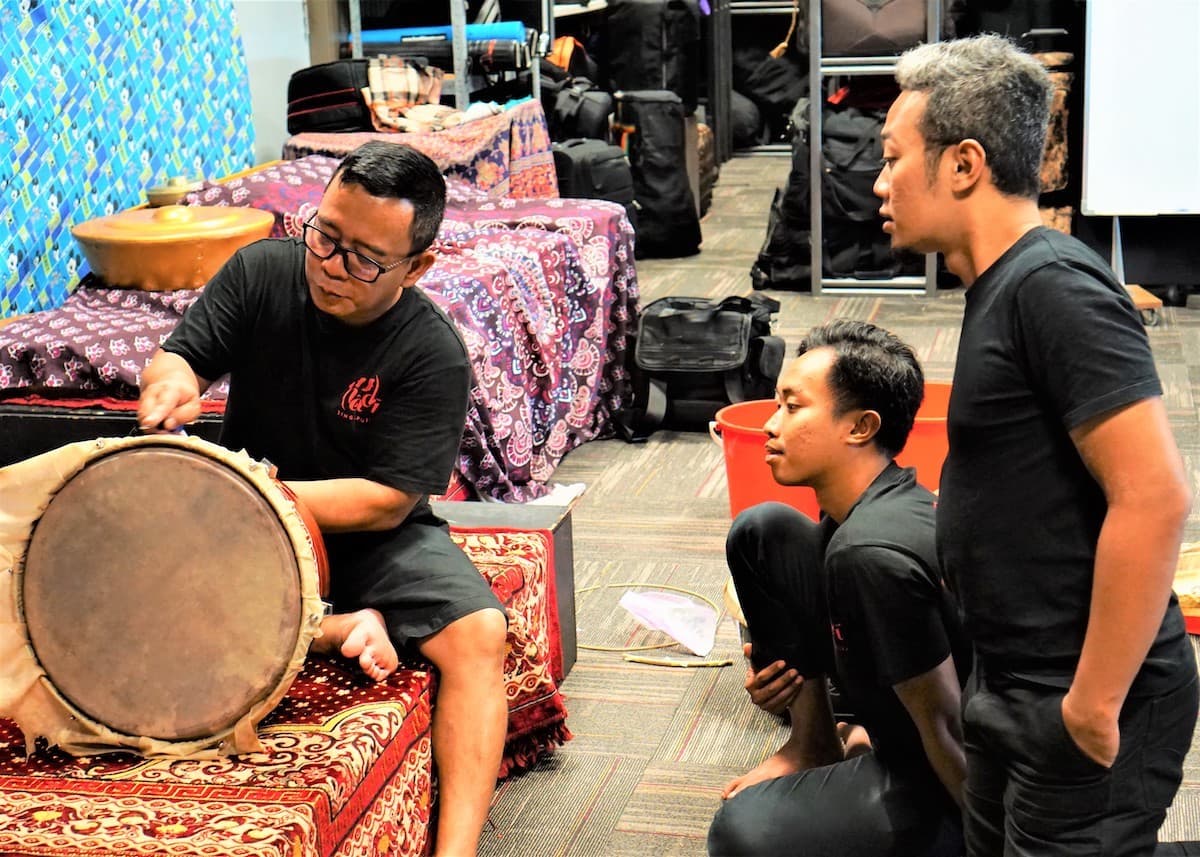
Mr Yaziz Hassan's teaching expertise has also extended into direct mentorship, of apprentice Ridzman Salleh, through NHB's Heritage Apprenticeship Scheme. Through the scheme, he has instructed his apprentice in the cultural significance of the craft (through the forms of the rebana, and their histories and cultural origins/traditional uses), the materiality of the craft (i.e., tools, materials used such as goat skin and traditional wood types used for the drum frame) and necessary skills in preparing the rattan through burning and slow shaping to fit the back circumference of the drum, preparation of the goat skin, and tuning of the drum to meet both the aesthetic and functional needs of a traditional Malay drum in producing a well-tuned and refined sound.
To Mr Yaziz, Malay drums are unique because of the use of animal skin membranes, which produces a mellow, mid-range tone that is distinctive in Malay music. Personally, he prefers using two kinds of animal skins in making a Malay drum – either goatskin or young cowhide. He believes that innovations in Malay drum making are sometimes necessary. Nevertheless, the mellow sounds of the traditional Malay drums should not be compromised, even though the materials used may differ. In his opinion, traditional Malay drums should only be played by hand. Even if synthetic drumheads are used, they should not be played using sticks or other improvised devices as it would affect the unique sounds of Malay drums.
Through the apprenticeship, Ridzman, a next-generation practitioner in training, had developed both the technical skill and intuitive knowledge that characterise an accomplished craftsman. For instance, through learning the skill of fitting the 'Rotang Gelang' (small diameter of rattan) to the drum base 'Baloh' necessary to adjust the pitch of the drum to achieve the desired tone and resonance - and the sense to judge when this result has been achieved through rigorous evaluation of the sound produced by the drum, culminating in the production of a 'D' pitch from the rebana produced by Ridzman as the highest tuning possible for the traditional drum. This knowledge base, innate sense for the craft, and dedicated mentorship have laid the groundwork for the succession and continued transmission of the craft.
Viability and Future Outlook
Thanks to the growing number of traditional Malay orchestras and ensembles, dikir barat groups, and mixed drumming troupes, the use of Malay drums in Singapore is thriving. However, drum making is not widely practised in Singapore due to relatively high labour and material cost. Most of the drums used locally are sourced from regional craft centres, including Bengkalis in the Indonesian Riau Province, as well as Malaysian towns of Muar in Johor and Pasir Mas in Kelantan.
References
Reference No.: ICH-094Date of Inclusion:November 2020
References
Hassan, Mohamed H. ‘Kompang: An Organological and Ethnomusicological Study of a Malay Frame Drum’. PhD diss. University of Newcastle-upon-Tyne, 2005.
Kartomi, M. Musical Journeys in Sumatra. Champaign, Illinois: University of Illinois Press, 2012.
Matusky, Patricia Ann. ‘An Introduction to the Major Instruments and Forms of Traditional Malay Music’. Asian Music, no. 16 (2) (1985): 121–182.
Matusky, Patricia Ann, and Tan Sooi Beng. The Music of Malaysia: The Classical, Folk and Syncretic Traditions. London: Ashgate, 2004.