
TL;DR
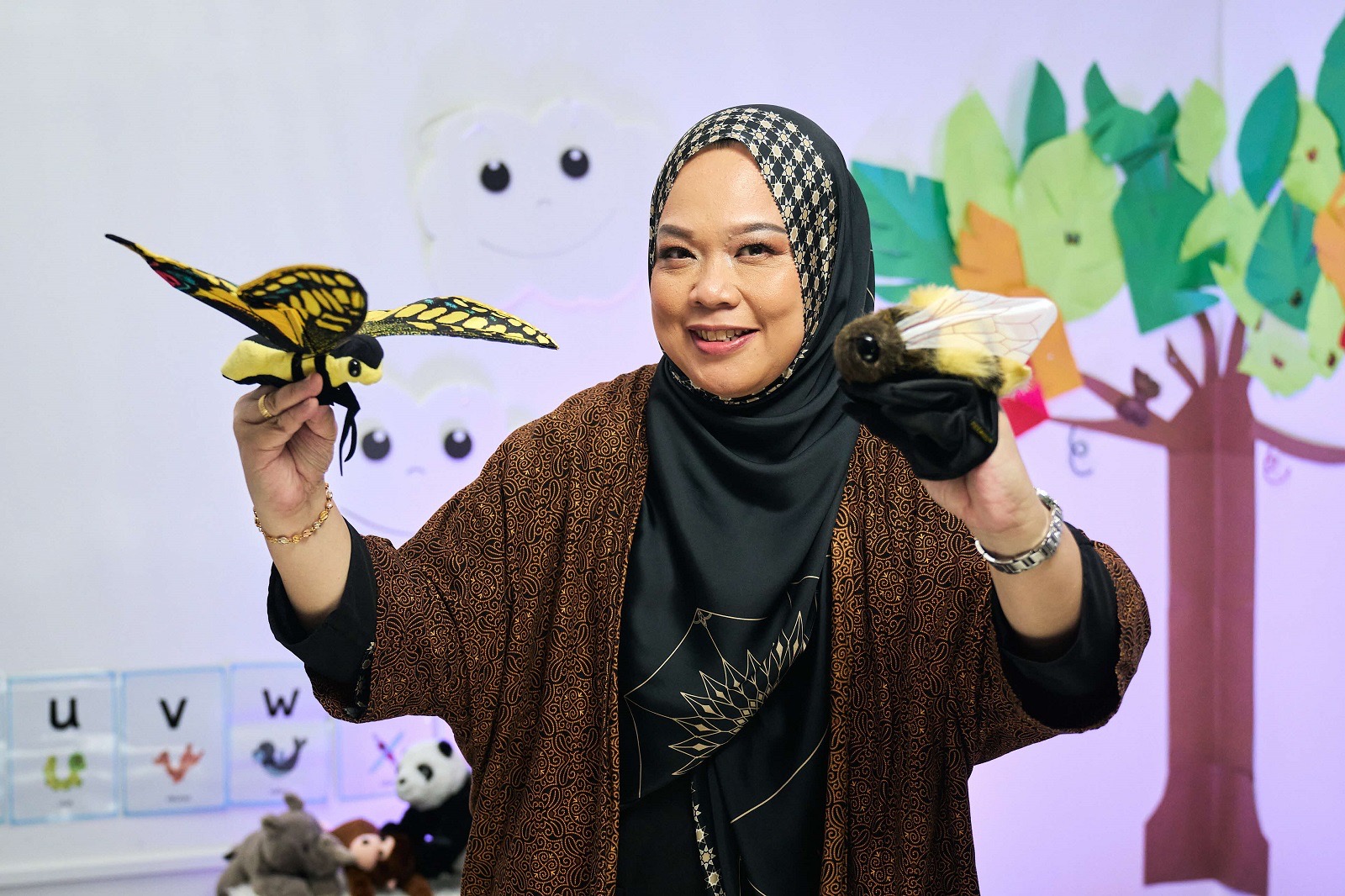
The art of storytelling offers a myriad of benefits, even though it often goes underappreciated. This heritage practice serves as a medium for instilling positive values in children. Additionally, as a form of oral literature, storytelling breathes new life into written literary treasures that inherently stimulate intellectual thought. Thus, it is no exaggeration to say that reviving the art of storytelling is part of a larger effort to rejuvenate Malay cultural heritage. One of the key proponents of storytelling in Singapore is Maria Mahat, a writer and book publisher who has also ventured into the world of storytelling. She hopes that this art form will continue to flourish, captivating the younger generation and ensuring it remains timeless.Image above: Madam Maria Mahat, a writer, educator, and storyteller, shares her passion for preserving Malay cultural heritage through storytelling, combining traditional narratives with modern innovations to engage younger generations. Courtesy of Malay Heritage Centre.
The art of storytelling has been a longstanding tradition in Malay society. In the past, literacy was limited to a small, educated segment of the community. As a result, oral storytelling traditions emerged among the general populace. Storytellers were commonly known as penglipur lara for their ability to bring joy and comfort to sorrowful hearts. Besides this title, storytellers were also referred to by other names, such as Tok Selampit, Tok Dalang, and Awang Batil, depending on their regional styles and methods of narration. Each storyteller had a unique approach to their craft. For instance, Tok Selampit would narrate stories accompanied by specific musical instruments, while Tok Dalang brought tales to life through the art of shadow puppetry (wayang kulit). With their exceptional command of language, these storytellers incorporated poetic forms such as syair, pantun, and sajak into their narratives, adding beauty and charm to their delivery. Clearly, the art of storytelling is deeply rooted and far from unfamiliar in Malay culture.
Storytelling does more than simply entertain; its creatively conveyed content also imparts numerous valuable lessons. Among these, this heritage art form instills positive values, particularly in children. Furthermore, it enhances the audience’s general knowledge by introducing history elements and insights into past societies' tendencies as old tales (hikayats) are retold in various creative forms. For instance, while some tales include magical and mystical elements, others incorporate political themes and more. Additionally, some narratives provide critical commentary on societal issues. Importantly, storytelling serves as a vital medium for revitalising and breathing new life into the intellectual and creative heritage of the Malay community.
To bring storytelling to life, storytellers employ various creative techniques. To captivate audiences, some storytellers incorporate songs into their narratives, whether existing children’s songs or original compositions by the storytellers themselves. For example, in the story Pokok Saga Istimewa by Maria Mahat, the classic song Burung Kakak Tua is included. Beyond that, she also uses the character of a “parrot” (burung kakak tua) as the narrator, introducing this symbolic figure to young audiences. This approach entertains and engages children by making the storytelling experience more interactive and memorable.
With the passage of time, advancements in technology have been harnessed to further disseminate and preserve Malay literary heritage. Traditional tales (hikayat) have been adapted into films, television programs, and theatrical performances. Moreover, technological innovations have enabled the delivery of oral literature through interactive platforms, such as museum forums that integrate visual elements, sound, music, and more. Even more fascinating, some storytellers have begun utilising Augmented Reality (AR) in their storytelling. In these instances, the storyteller begins the narrative before pausing briefly, allowing the audience to scan a QR code. This code transports them into an AR experience, enriching the storytelling process and offering a more immersive engagement with the narrative.
Beyond technological advancements, the evolution of time also demands changes in storytelling approaches and narratives, particularly when aiming to instill moral values in children. For example, the importance of respecting and obeying parents was traditionally conveyed through the tale of Si Tanggang, which often employed fear tactics to deliver its message. Today, the same values should be presented using alternative methods and techniques that are more constructive and engaging. In this regard, storytellers must be adept at employing approaches and techniques that resonate with the needs and sensitivities of their audience. By doing so, they can ensure that the values imparted remain relevant and effective, fostering understanding and moral growth in a manner that aligns with contemporary sensibilities.
Unfortunately, despite the dedicated efforts of artists and storytellers, the art of storytelling has not received the attention it truly deserves, especially within the local Malay community. While some storytelling events are organised, the turnout is often disappointing, particularly when these events are conducted solely in the Malay language. This lack of engagement highlights the challenges faced in preserving and promoting this heritage art form in modern times.
Why has the art of storytelling fallen to such a state? Perhaps the waning interest is linked to the diminishing mastery and use of the Malay language. Alternatively, could it be that storytelling is often associated with children, leading adults to disengage from this heritage? Or perhaps many are unaware of the diverse benefits this traditional art form can offer. Clearly, these are merely speculations, but they underline an important point: the future of storytelling heavily depends on public support. Without greater appreciation and participation from the community, this valuable heritage risks fading into obscurity.
Maria Mahat – Writer, Educator, Publisher, and Now a Storyteller
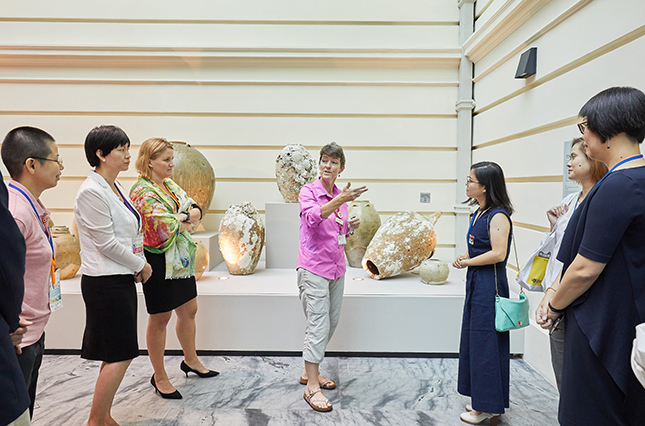
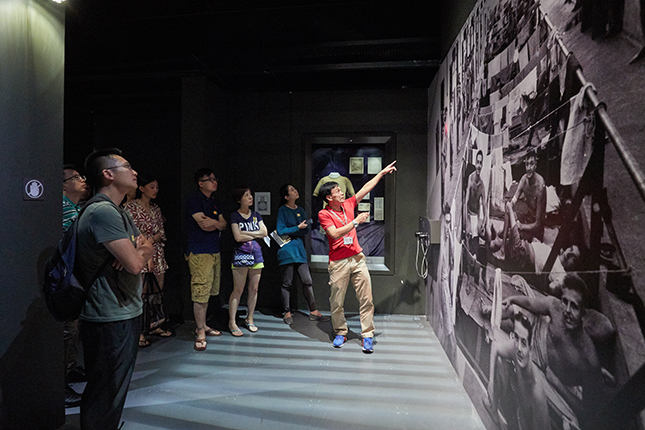
One of the key advocates of this heritage art is Maria Mahat, a local writer, educator, and publisher who has now ventured into the world of storytelling. Her involvement in this art form is closely tied to her decision to enter the field of early childhood education. Initially, she began as a museum educator tasked with training preschool teachers in the art of storytelling, utilizing Malay artifacts and historical paintings as storytelling aids.
During this time, Maria Mahat received feedback from many educators expressing concern over the lack of reading materials that preserve Malay heritage, especially for children. As an educator herself, she firmly believes in her responsibility to nurture a generation that is not only literate but also deeply connected to their cultural heritage. This conviction marked the beginning of her journey as a writer and publisher of children’s books, dedicated to promoting and preserving Malay heritage.
Maria Mahat’s first children’s book, Ada Biji Saga Di Dalam Saku Kami!, tells the story of preschoolers on an excursion to the Malay Heritage Centre. What makes this book truly captivating is how she weaves together various elements, such as Singapore’s history, museum exhibitions, and traditional Malay attire and cuisine, into a single narrative. Driven by her passion for introducing Malay heritage to children, she also incorporates poetic forms like syair and pantun into the story. Her book was not only shared through oral storytelling sessions at the Malay Heritage Centre, using different storytelling techniques, but it also gained further recognition when it was adapted into a digital performance at Esplanade, showcasing its timeless appeal and relevance.
Despite her tireless efforts to revive the art of storytelling, Maria Mahat faces numerous challenges. Attendance at her storytelling sessions is often dishearteningly low, with fewer than five people showing up on some occasions, even after she has put great effort into her preparations. Similarly, her attempts to incorporate digital elements such as Augmented Reality (AR) into her storytelling have yet to yield convincing results. These obstacles highlight the uphill battle faced in keeping this heritage art alive and relevant in today’s fast-paced, modern world.
Despite the challenges, Maria Mahat’s passion remains undiminished. Her singular motivation is to produce books that captivate young readers, nurturing their interest in Malay stories. She achieves this by ensuring that the content and narratives of her books are relatable to the lives of children today. More than that, she hopes her efforts in storytelling will indirectly foster an interest in and improve proficiency in the Malay language among children. Above all, she holds a steadfast hope that the art of storytelling will continue to grow and never fade with time, preserving its relevance for future generations.
Maria Mahat also envisions Malay folktales and hikayat gaining recognition beyond the Malay community. She firmly believes this is achievable, but it must begin with a sense of pride among the Malay community in their heritage, followed by a strong collective commitment to preserving and promoting these stories. With unity and dedication, these tales can thrive and reach a wider audience, showcasing the richness of Malay culture to the world.
Conclusion
Ultimately, the effort to revive any heritage art is not the sole responsibility of the artists. While they can do much to innovate and adapt with technological advancements, their efforts will be in vain if they are the only ones driving this cause. The truth is, education begins at home. When heritage arts and the Malay language are not prioritized in a child’s upbringing, the task of preserving any aspect of cultural heritage becomes increasingly difficult. It requires a collective commitment, starting with families and extending to the wider community, to ensure that heritage arts remain a vital part of our identity. Without this shared responsibility, the survival of these traditions will remain a daunting challenge.
Storytelling is deeply intertwined with one’s familiarity and fluency in language, regardless of which language is used. Therefore, reviving the art of storytelling requires a parallel effort to enhance Malay language proficiency, particularly among the younger generation. As the Malay proverb goes, melentur buluh biarlah dari rebungnya (“bend the bamboo while it is still a shoot”). In this regard, parents play a crucial role in ensuring their children are exposed to the Malay language from an early age, so they grow up comfortable and confident in using it. This foundation is essential not only for storytelling but also for preserving the cultural richness of the Malay heritage.
Reviving the art of storytelling, or any form of heritage art, is not an impossible task if various parties consistently play their respective roles. Moreover, it is entirely possible for this art form to evolve in step with the changing times. Regardless of the challenges, storytelling offers timeless benefits that transcend generations. Let us not allow this invaluable heritage to fade with time.
Originally written in Malay by Muhammad Iylia Kamsani, this essay was first published in Berita Harian. The Malay Heritage Centre commissioned it to accompany its Intangible Cultural Heritage Conversation Video Series.
This video, produced by the Malay Heritage Centre (MHC), is part of the Intangible Cultural Heritage conversation series, celebrating the exceptional talents that contribute to shaping our cultural landscape.
This interview with Maria Mahat, an author, educator, and storyteller, highlights the timeless art of storytelling as a vital part of Malay cultural heritage. She shares her journey of preserving traditional narratives while innovating with modern techniques to ensure this cherished heritage thrives for future generations.
Notes
Accompanying Video Asset
https://www.youtube.com/watch?v=zgf9s6MnjrM
This video, produced by the Malay Heritage Centre (MHC), is part of the Intangible Cultural Heritage conversation series, celebrating the exceptional talents that contribute to shaping our cultural landscape.
This interview with Maria Mahat, an author, educator, and storyteller, highlights the timeless art of storytelling as a vital part of Malay cultural heritage. She shares her journey of preserving traditional narratives while innovating with modern techniques to ensure this cherished heritage thrives for future generations.