
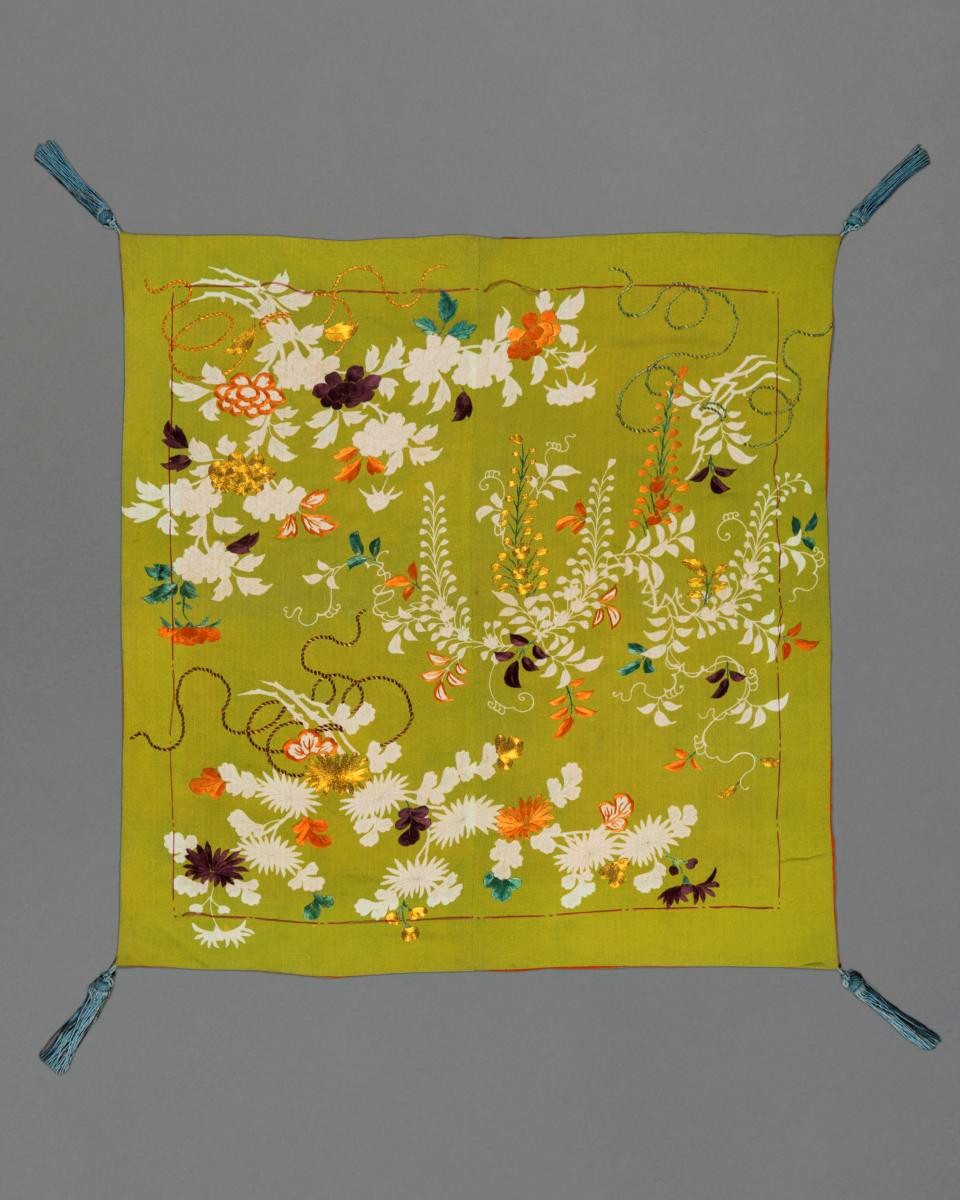
Object size: 104.0 x 99.0 cm (with tassels)
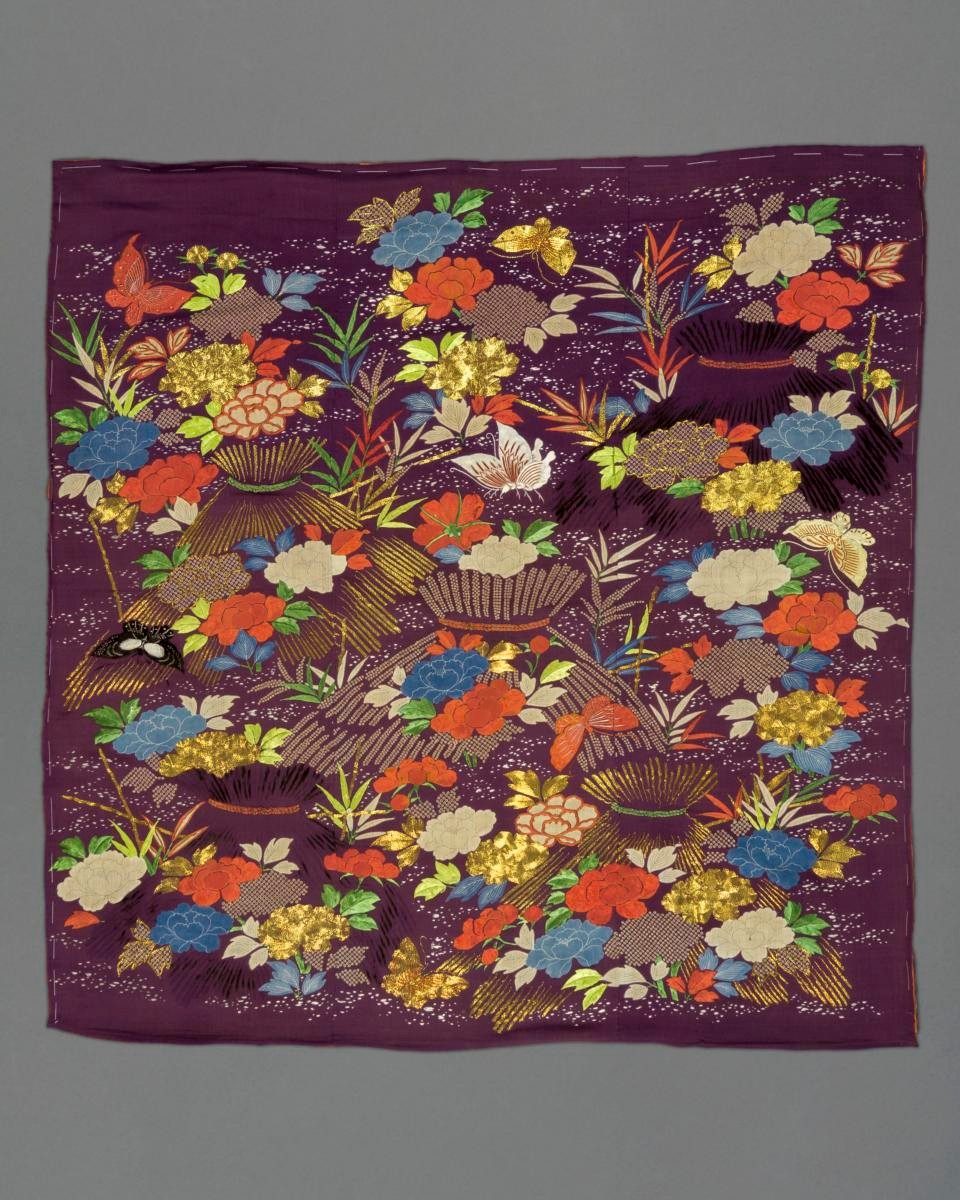
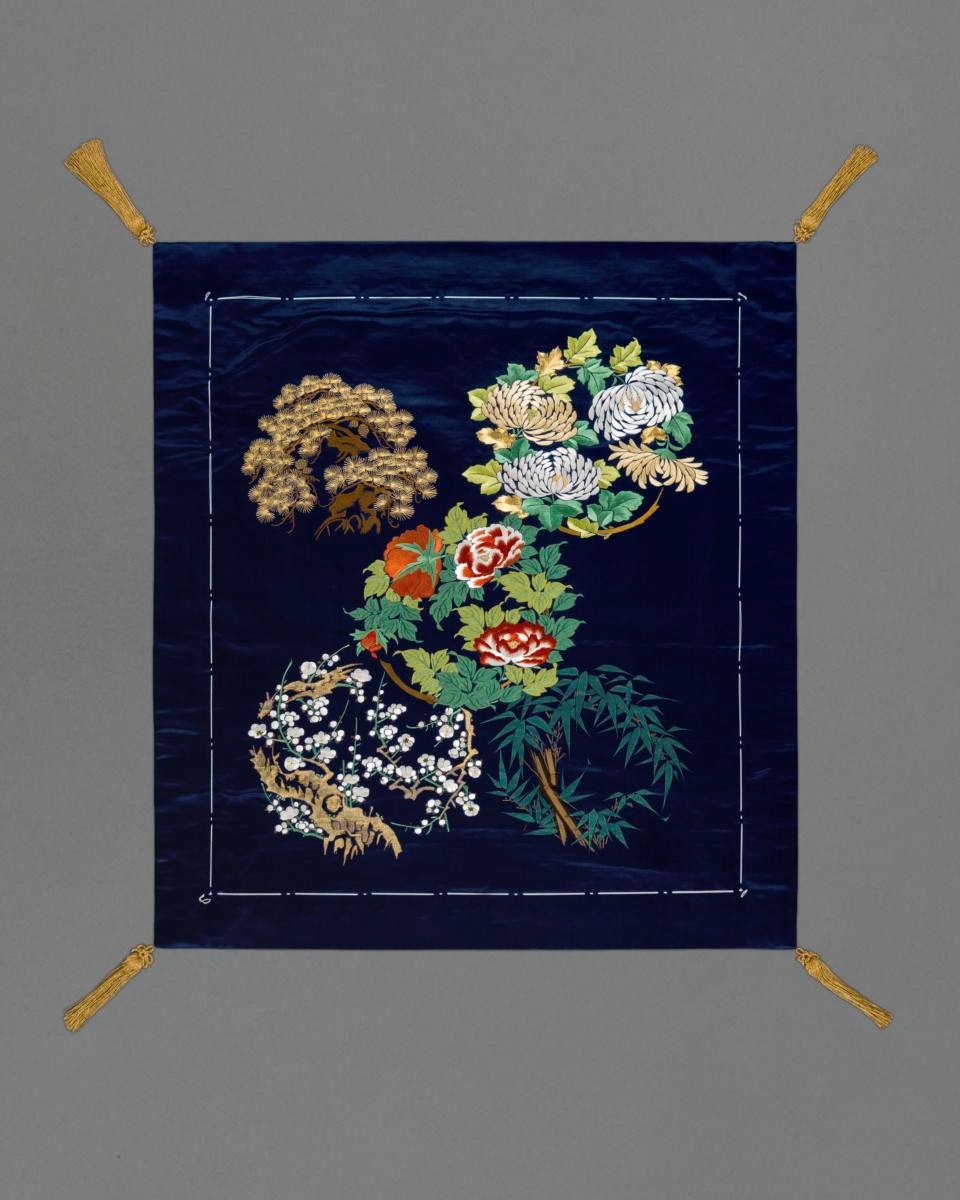
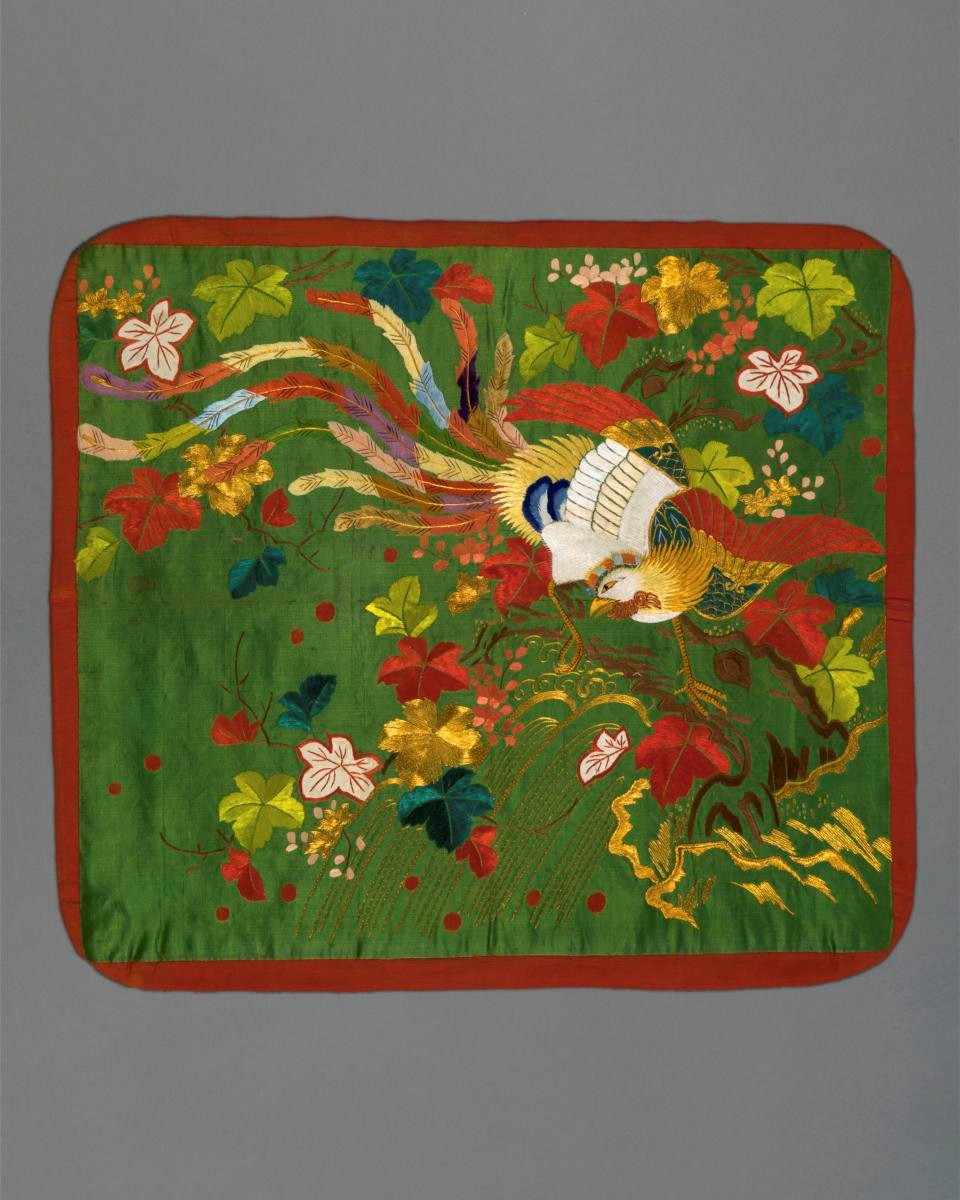
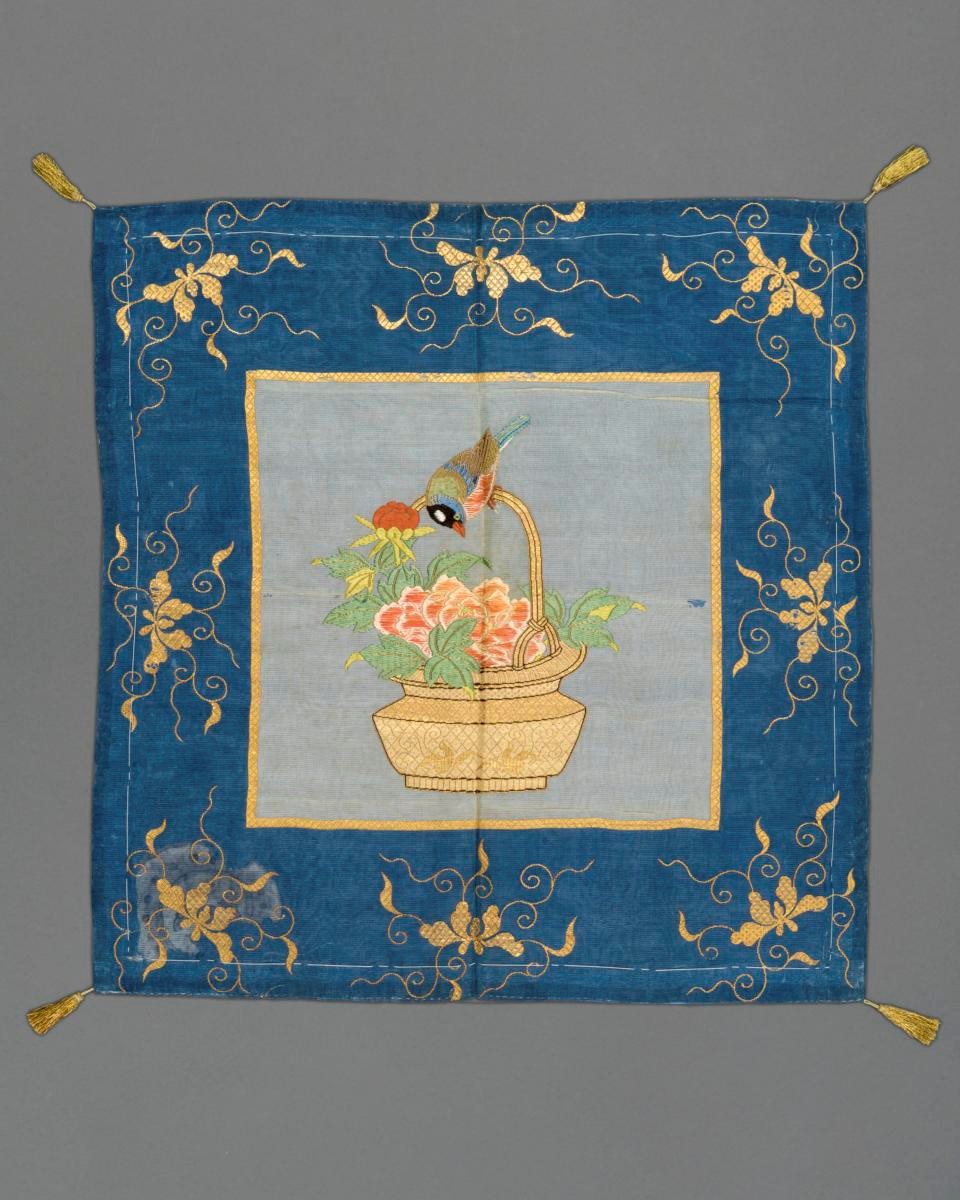
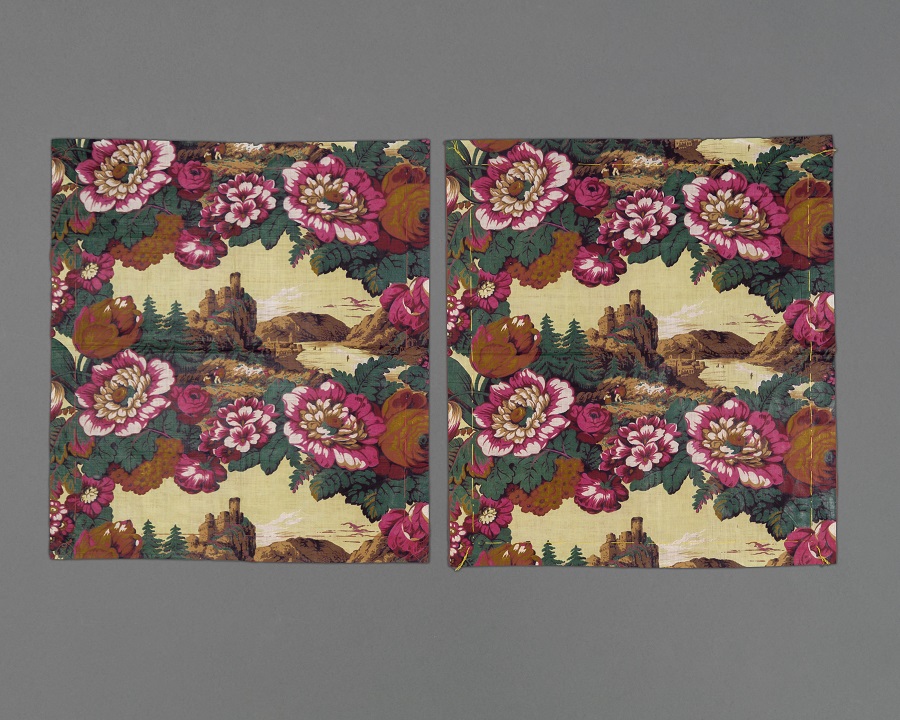
In Japan, the practice of formally presenting gifts with silk covers called fukusa began in the Edo period (1603–1868), around the late 17th or early 18th century. These covers were draped or folded over gifts for a variety of occasions, from seasonal festivities to important personal events. Each fukusa was carefully chosen to evoke the circumstance of the gift and to convey a message to the recipient through its design. Fukusa designs often feature symbolic objects or allusions to Japanese and Chinese stories. The choice of fukusa also reflected the giver’s wealth, taste, erudition, and cultural sensitivity. The use of fukusa continued into the early 20th century. Today, they are used in parts of Japan for weddings and corporate events. The floral designs of this fukusa resemble patterns on clothing worn by warrior-class women starting in the mid-eighteenth century. The garments feature an abundance of flowers often interspersed with geometric or naturalistic motifs, and the most lavish examples combine a variety of techniques. Similarly, here the fabric was first resist-dyed, leaving some floral designs in reserve. Blooms, leaves, and vines were then embroidered with coloured or gold thread. Fine details like the outlines of petals or veins of leaves were hand drawn. The cohesiveness of each design obscures the lengthy processes involved in their production.