

Title
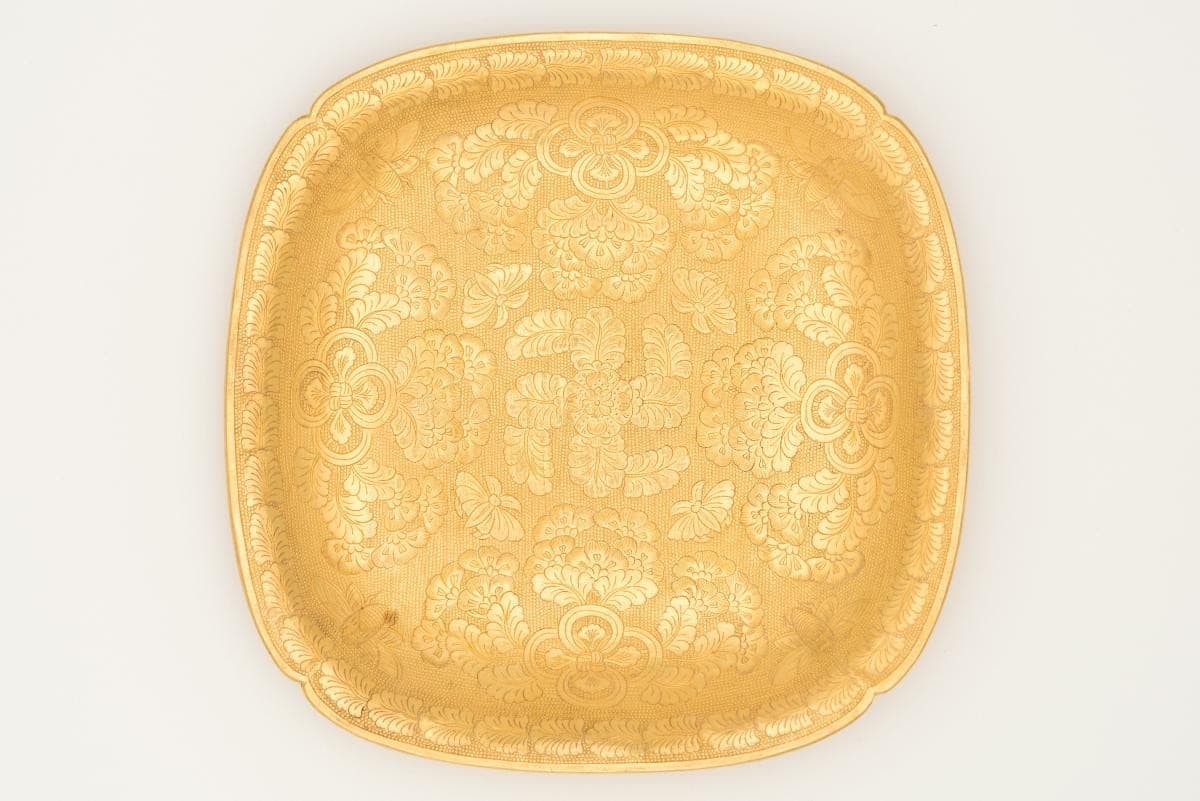
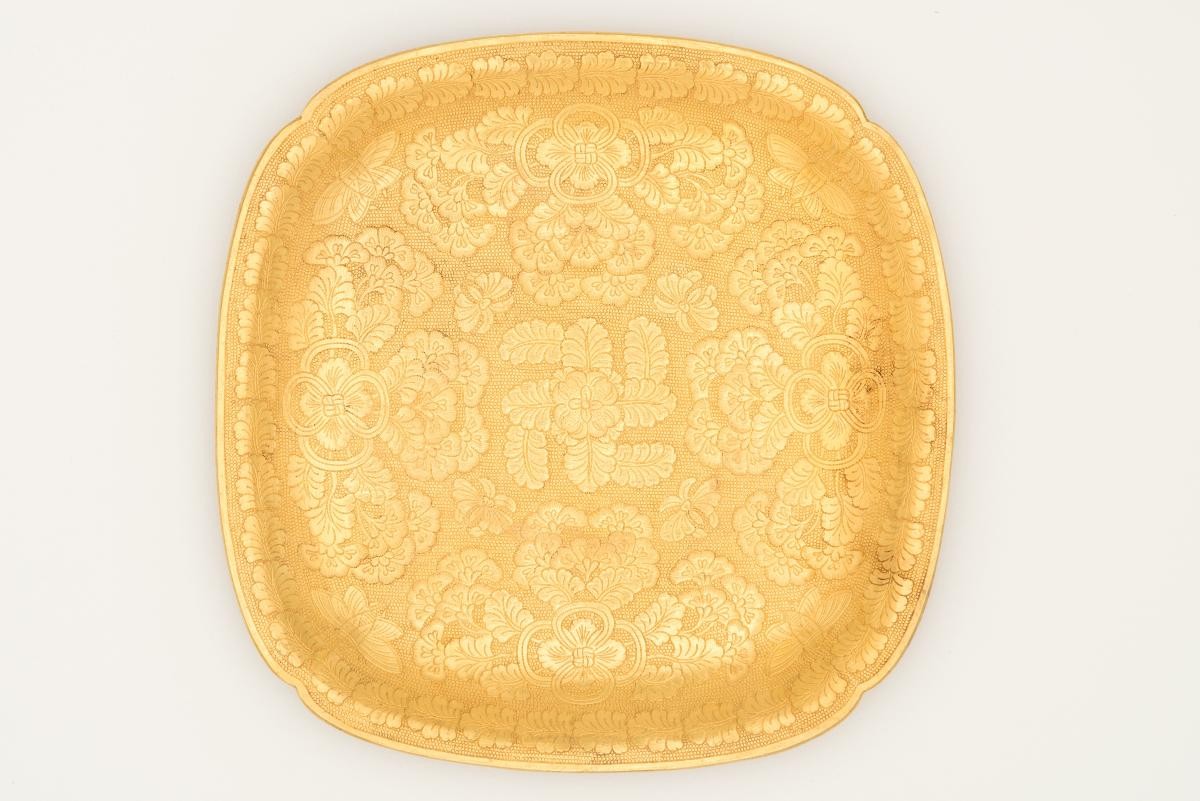
Square dish with swastika
Year/Period
Tang dynasty, around 830s
Region
Southern China
Material
Dimension
Object Size: 1.5 x 14 x 14 cm
Accession No.
2005.1-00922
Collection of
Credit Line
The Tang Shipwreck was acquired through the generous donation of the Estate of Khoo Teck Puat.
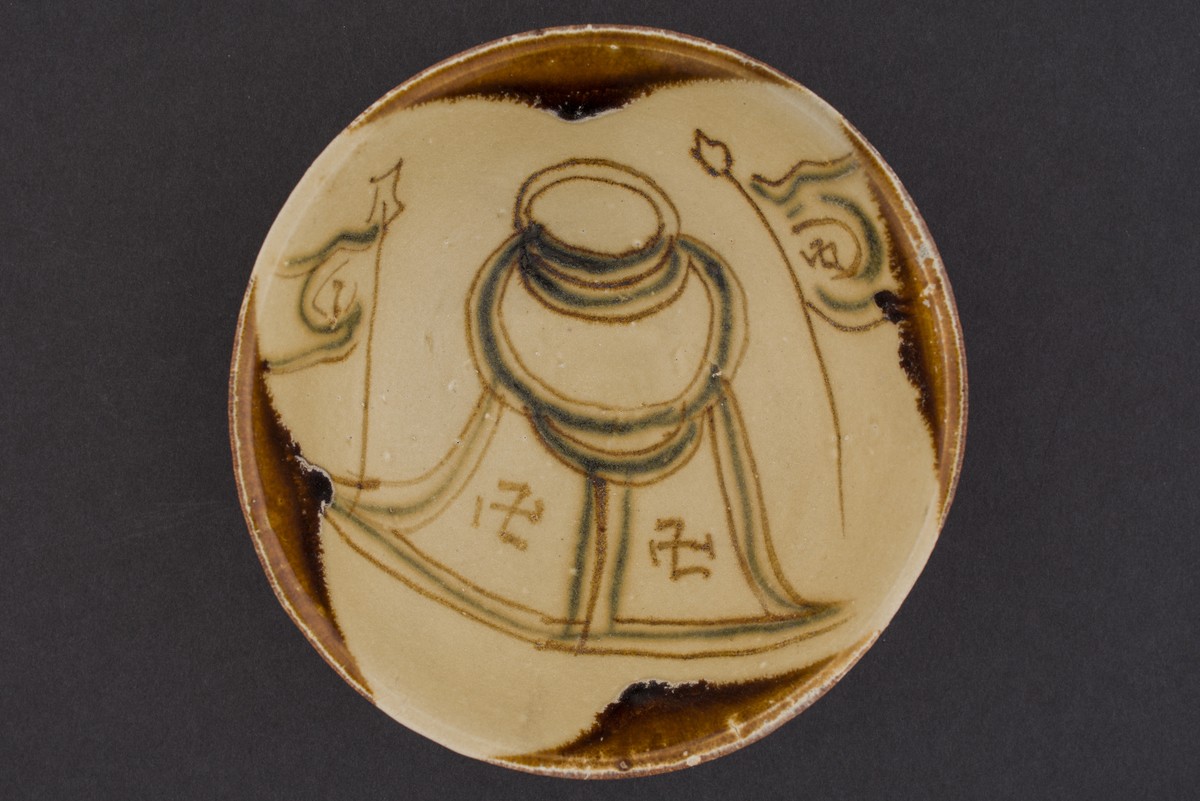
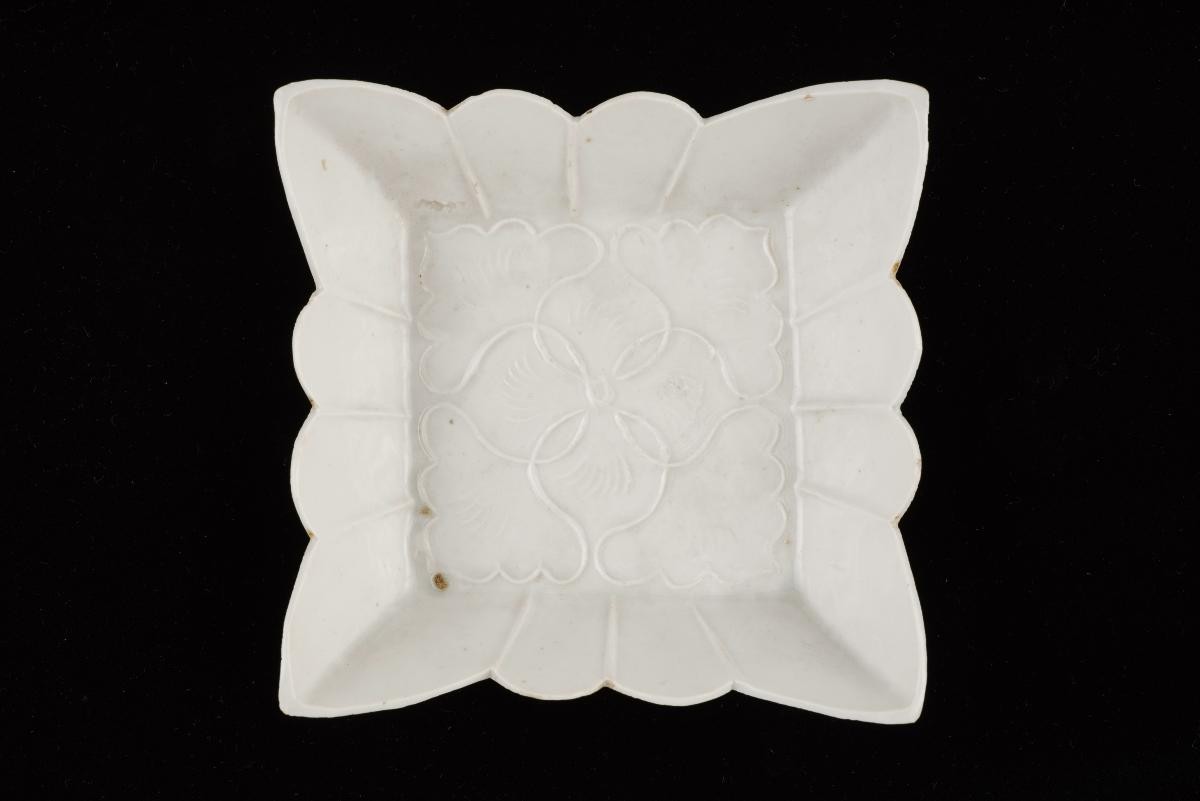
This is one of a pair of square dishes recovered from the shipwreck, which may have been saucers for the lobed drinking bowls. The swastika (卍) is an ancient Indian symbol of good fortune introduced to China with the spread of Buddhism. The swastika also denoted plurality and longevity. In 693, Empress Wu Zetian decreed that the symbol would be called wan 万, meaning “ten thousand”. The swastika is often paired with other motifs to form auspicious rebuses (picture puzzles) in Chinese art. On these dishes, the swastika (wan) and knotted sashes (shou 绶) combine to form wan shou 万寿, which means “longevity”.


.JPG)