
TL;DR
Rooted in Malay tradition yet shaped by Singapore's pluralistic society, dikir barat has evolved into a dynamic art form that balances cultural heritage with cosmopolitan influences. Rather than viewing modernisation as a threat to authenticity, Singapore's dikir barat practitioners have embraced innovation in music, language, and performance to create a culturally distinct and socially relevant expression that speaks to contemporary urban life while honouring its traditional roots.
Today, the word "globalisation" is often heard. Unconsciously, we are carried by its tide, influencing cultures, thoughts, philosophy, arts, and lifestyles worldwide. Cultural integration and technological advancement promote the cross-pollination of ideas, creating a rich and diverse global tapestry. Exposure to various perspectives drives the evolution of thought and lifestyle, challenging local norms. While globalisation fosters innovation and interconnectedness, it also raises concerns about cultural homogenisation and the erosion of local traditions. Balancing the benefits and challenges is essential in navigating its complex effects on our world. One such effect is cosmopolitanism, a philosophy that embraces specific attitudes and approaches toward a connected world—valuing diversity, inclusion, and a shared sense of global citizenship. Even traditional arts are not exempt from contemporary and cosmopolitan expressions. This essay discusses how dikir barat (dikir), a traditional Malay art form, serves as a social and cultural intermediary, particularly within Singapore's pluralistic society, in the face of cosmopolitanism.
The Language of Dikir Barat in Singapore
There is much debate about the origins of dikir barat. Some claim it originated in Kelantan, while others argue it was introduced from southern Siam. While such debates enrich historical understanding, they should not focus solely on cultural ownership, as this can foster exclusivism or separatism, which do not benefit society. Instead, the evolution of dikir barat should be contextualised within the milieus it has encountered. Every place has its language, shaped by unique social and political realities. Thus, language cannot be detached from culture or viewed merely as a tool for communication. As Ngũgĩ wa Thiong'o states, “Culture is almost indistinguishable from the language that makes possible its genesis, growth, articulation, and transmission from one generation to the next.”1 In Kelantan, dikir is deeply ingrained in the lives of its people, becoming an essential part of their way of life, with its unique culture and history. Understanding Kelantanese culture is incomplete without considering dikir alongside other art forms like wayang kulit, makyong, and main puteri. Dikir encompasses moral, ethical, aesthetic, and spiritual values through which practitioners see their identity and place in the world: “How people perceive themselves affects how they look at their culture, their politics, the social production of wealth, and their entire relationship to nature and other beings.”2
When dikir was introduced to Singapore, it evolved. The language patterns adapted to the local culture. For instance, Singaporean dikir incorporated and emphasised written language in performances, contrasting with Kelantan’s tradition of spontaneous oral delivery. This shift occurred because many of the early pioneers and cultural leaders of Singapore's dikir were Malay language teachers with literary training. Both classical and modern literary forms were utilised, especially in competitions with lyrical components. This enhanced participants' mastery of language and creative writing, exposing audiences to higher language standards and critical thought aligned with local issues.
Unfortunately, some dismiss these innovations, claiming they diverge from the “authenticity” of dikir, which traditionally uses more straightforward language.3 Such views are apolitical, ahistorical, and anti-intellectual, ignoring the realities of rapid development, modernisation, and change. Like other heritage arts, discussions on preserving dikir in Singapore should move beyond mere authenticity. The thoughts expressed by Singaporean dikir writers reflect this, covering themes such as identity reform, pluralism, and universal human ethics—concepts less prevalent in Kelantanese dikir, which remains intertwined with religious rhetoric, remnants of feudalism, and a “crisis” in Malay etiquette. Singaporean dikir has moved beyond the conventional wisdom of Kelantan’s traditions.
The Creative Value of Singapore’s Dikir
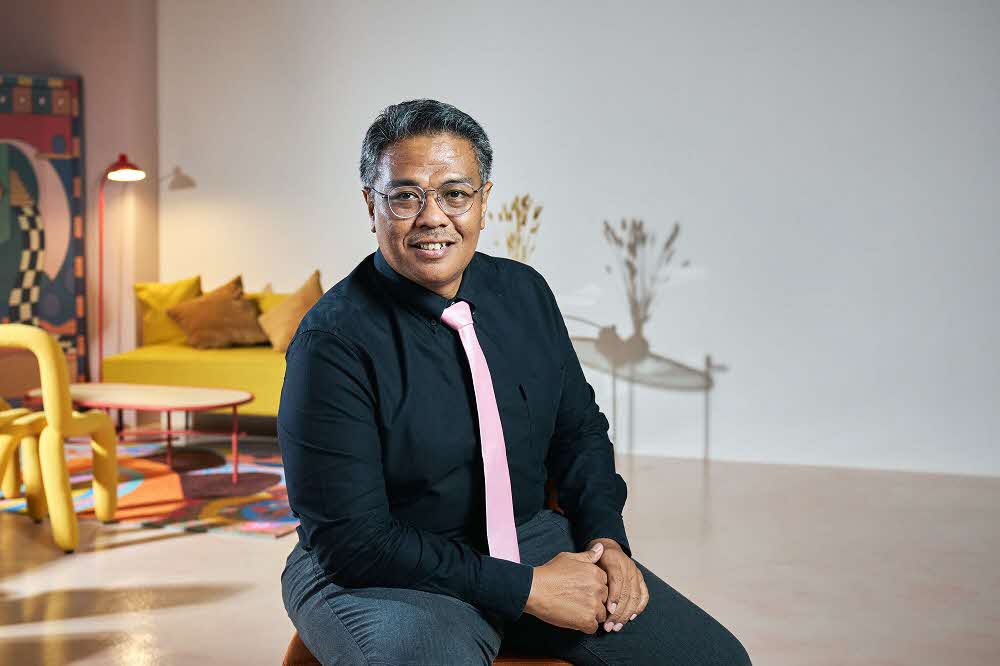
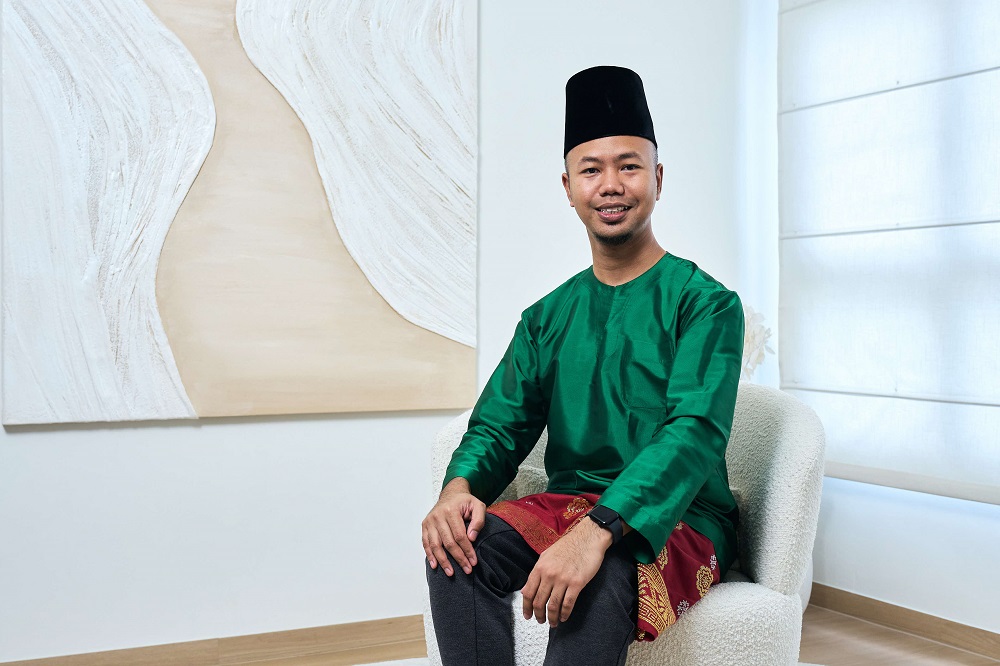
Cikgu Djohan Abdul Rahman, a veteran of Singapore’s traditional Malay performing arts, has made efforts to preserve and promote dikir barat for future generations. Image courtesy of MHC.
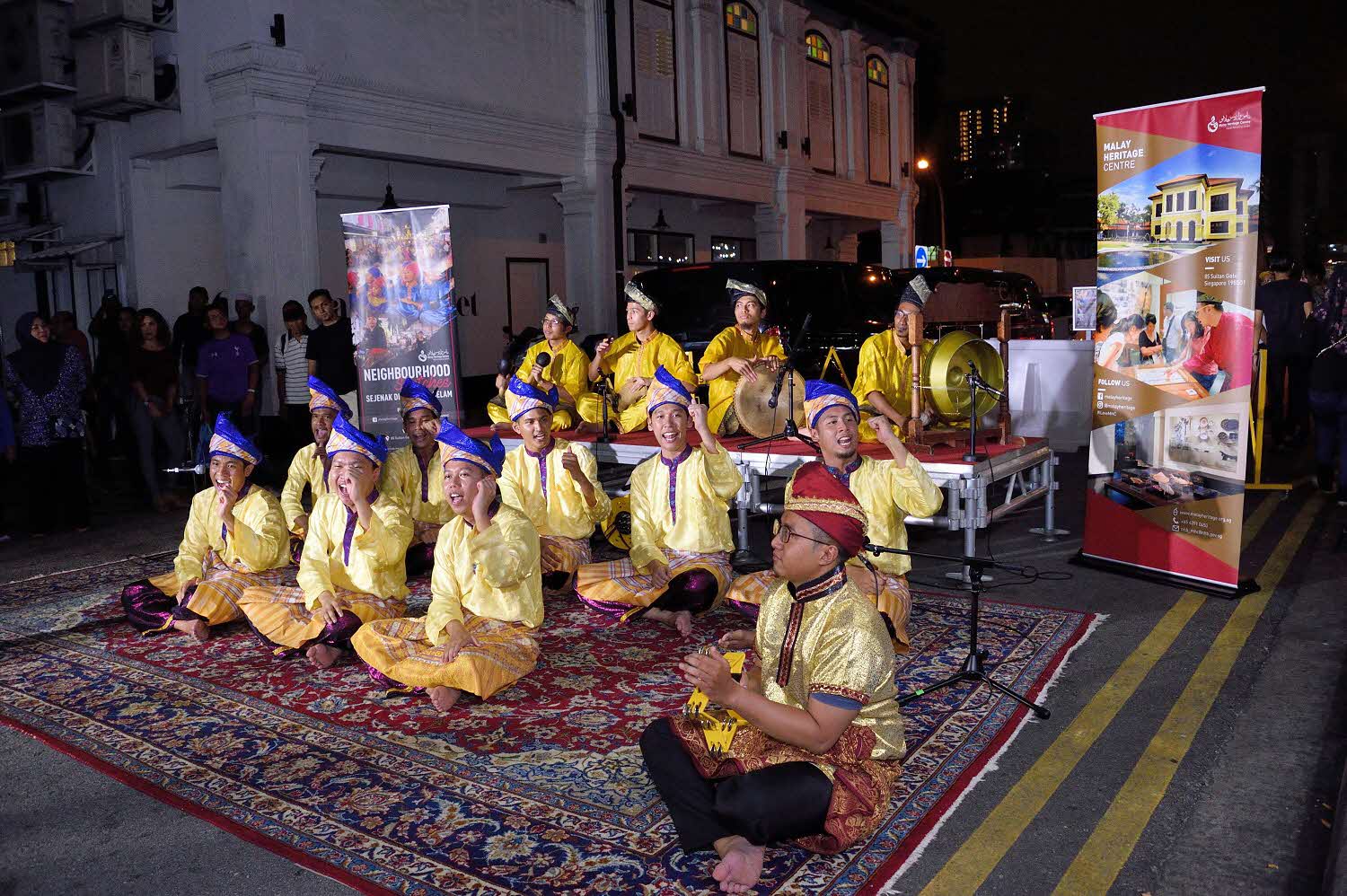
Like other Malay arts, Singapore’s dikir has not been spared from innovation. In terms of dance, music arrangement, vocal styles, song repertoire, costumes, and staging, Singapore’s dikir has shown an openness to change. For example, its music blends traditional rhythms like zapin, asli, and joget with a broader range of musical influences, such as African jazz, reggae, and pop. Practitioners strive to create original, distinctive, and thought-provoking songs. Their creative efforts in incorporating foreign elements should be seen as an endeavour to define a culture that suits the times and to empower their communities. This is achievable by balancing technical proficiency with ethical and aesthetic considerations and addressing broader human questions. This should be the primary mission of Singapore’s dikir practitioners. The reflections of the renowned Indonesian intellectual Soedjatmoko offer insight into this creative pursuit:
"It seems that much of our society, particularly its leaders, has lost its sense of values... Almost no national debate or exchange of ideas on key issues will determine our fate... Consequently, there is cultural stagnation... The faith and revolutionary spirit4 born from self-belief have disappeared. Gone, too, is the total commitment of individuals to their struggles; what remains is half-heartedness, cynicism born of disbelief, and actions from small-minded souls, incapable of transcending their personal limits and growing in service to something greater than themselves."5
Since the 1980s, Singapore’s dikir barat has undergone a modernisation process towards genuine universality.6 It exemplifies how culture can modernise without compromising tradition. Its ethos reflects urban lifestyles. For example, while performances in Kelantan may extend late into the night, Singapore’s dikir operates within specific time limits. Fortunately, these constraints have not dampened participation or enthusiasm for dikir in Singapore. The local scene encourages practitioners to constantly “explore, immerse, and recreate from our past and cultural sources.”7 Creativity is essential to answering fundamental questions about humanity and society. Without creativity, culture becomes stagnant. Only through innovation can it thrive and resist obsolescence. Thus, modernity is not the antithesis of tradition, but a continuation of efforts rooted in traditional elements and influences.
The Search for Relevance and Hope
Ultimately, local cultures will encounter external influences in today's globalised world. Singapore’s dikir reflects this reality. The impact of such exposure depends on the ability and willingness of practitioners—especially leaders—to develop a new cultural language that is historically, politically, morally literate, and intellectually robust. This is crucial for attracting future generations who will carry on the legacy of social responsibility. The search for relevance in Singaporean dikir must not abandon traditional values or rely solely on Western influences. Modernisation is not synonymous with Westernisation but represents an intellectual attitude that rethinks tradition to achieve improvement, development, and social empowerment. In a world often fearful of cultural dilution, dikir practitioners in Singapore must stand boldly. As the question posed by Soedjatmoko resonates: “Can fearful people create in a world that is also afraid?” Discussions around Singapore’s dikir barat must expand beyond its entertainment and performative aspects. The language and creativity of Singaporean dikir should become guiding beacons in navigating tradition amidst a cosmopolitan world.
Originally written in Malay by Muhammad Iylia Kamsani, this essay was first published in Berita Harian. The MHC commissioned it to accompany its Intangible Cultural Heritage Conversation Video Series.
This video, produced by MHC, is part of the Intangible Cultural Heritage conversation series, celebrating the exceptional talents that contribute to shaping our cultural landscape.
In this interview with Cikgu Djohan Abdul Rahman, a veteran of the Malay traditional performing arts scene in Singapore, he discusses his career as a performer, teacher, and mentor and his efforts to preserve and promote the art form. He also shares his thoughts on the importance of sharing knowledge with younger generations and the role of competition in fostering new talent.
Notes
- Ngũgĩ wa Thiongʼo, Decolonising the Mind: The Politics of Language in African Literature (London: James Currey, 1986), 15.
- Ibid, 16.
- For example, in an interview with the Vice President of GABUNGAN (the Singapore Dikir Barat Association), Mr Rezal Ramli, he expressed that if Dikir Barat adheres to the philosophy of ‘Art for Society,’ why then is the language used in the lyrics so ‘elevated’? While he does not entirely dismiss the benefits of using refined language in Singaporean dikir—such as nurturing new writers, language lovers, and advocates—he feels it misaligns with the nature of dikir as the supposedly high-level language affects comprehension, thought, and the aesthetics of the art form. Although he did not elaborate on what he meant by ‘elevated’ language, it can be inferred that his premise suggests that language should serve only as an aesthetic tool. He does not consider language as a catalyst for critical thinking. See: https://youtu.be/MHNlafUFl50?si=KIfL4MPa2msYAPc0.
- The word “elan” means “a burning spirit of struggle” in Indonesian. See https://kbbi.web.id/elan.
- Soedjatmoko, “Mengapa Konfrontasi [1954]”. In Etika Pembebasan – Pilihan Karangan tentang: Agama, Kebudayaan, Sejarah dan Ilmu Pengetahuan (Jakarta: LP3ES/Yayasan Obor, 1984), 6–7.
- See Shaharuddin Maaruf, Elit, Tradisi dan Reformasi di Asia-Tenggara (Petaling Jaya: Strategic Information and Research Development Centre), 8. He explained the difference between genuine universality and negative pluralism: “Universality means adhering to shared fundamental values and noble ideals embraced by humanity, even amidst cultural diversity. In contrast, negative pluralism implies a lack of firm commitment to any value system, diluting the core of any philosophical or cultural tradition.”
- Ibid, 13.