
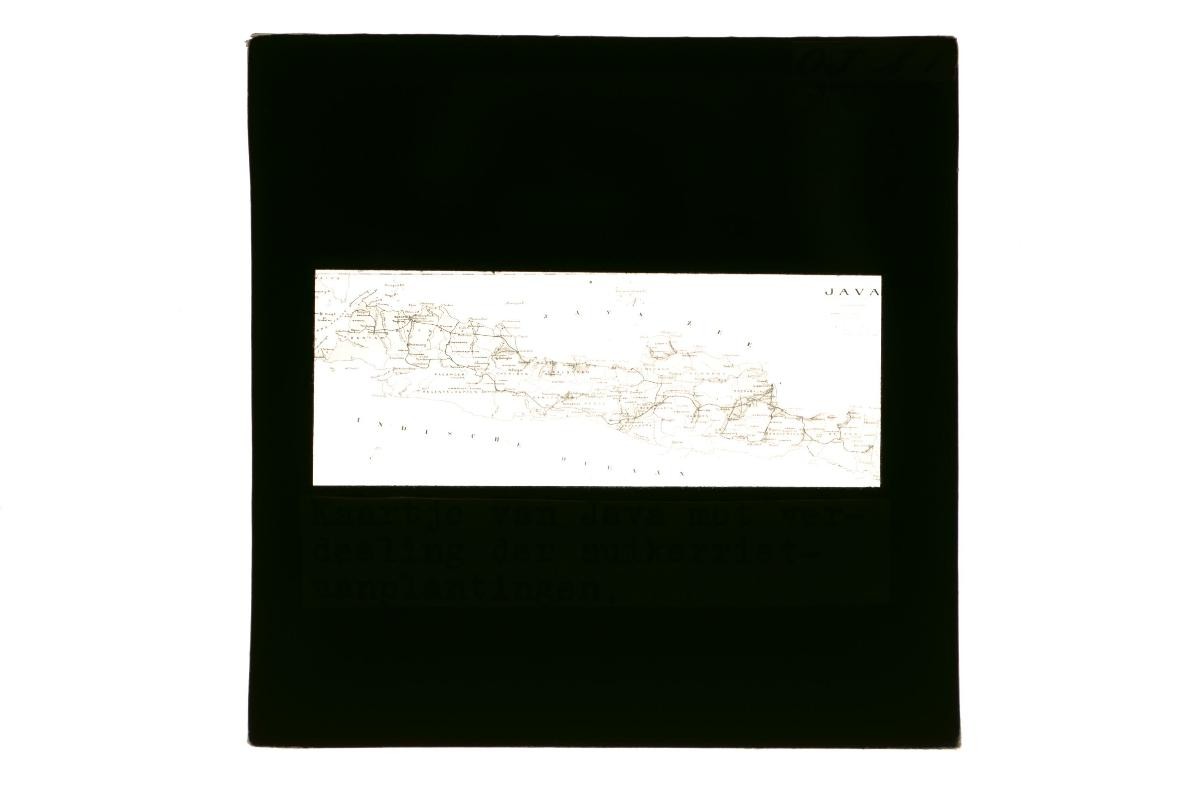
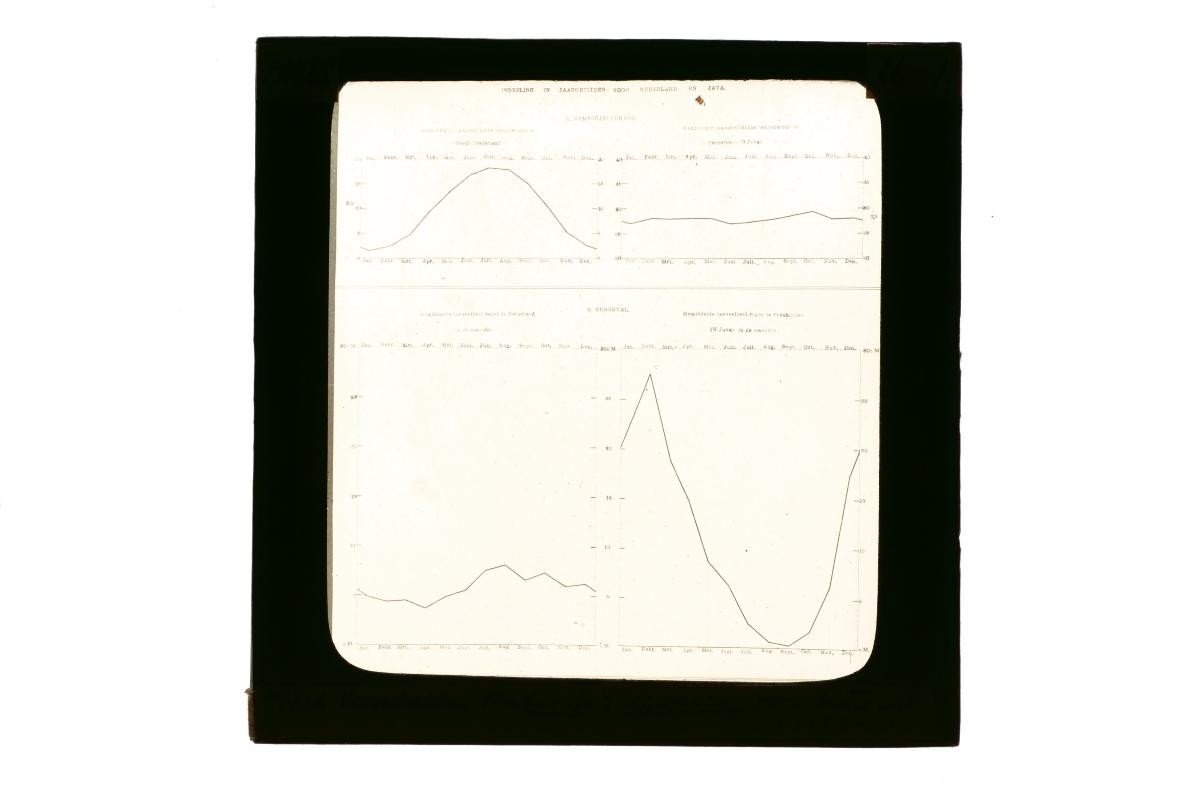
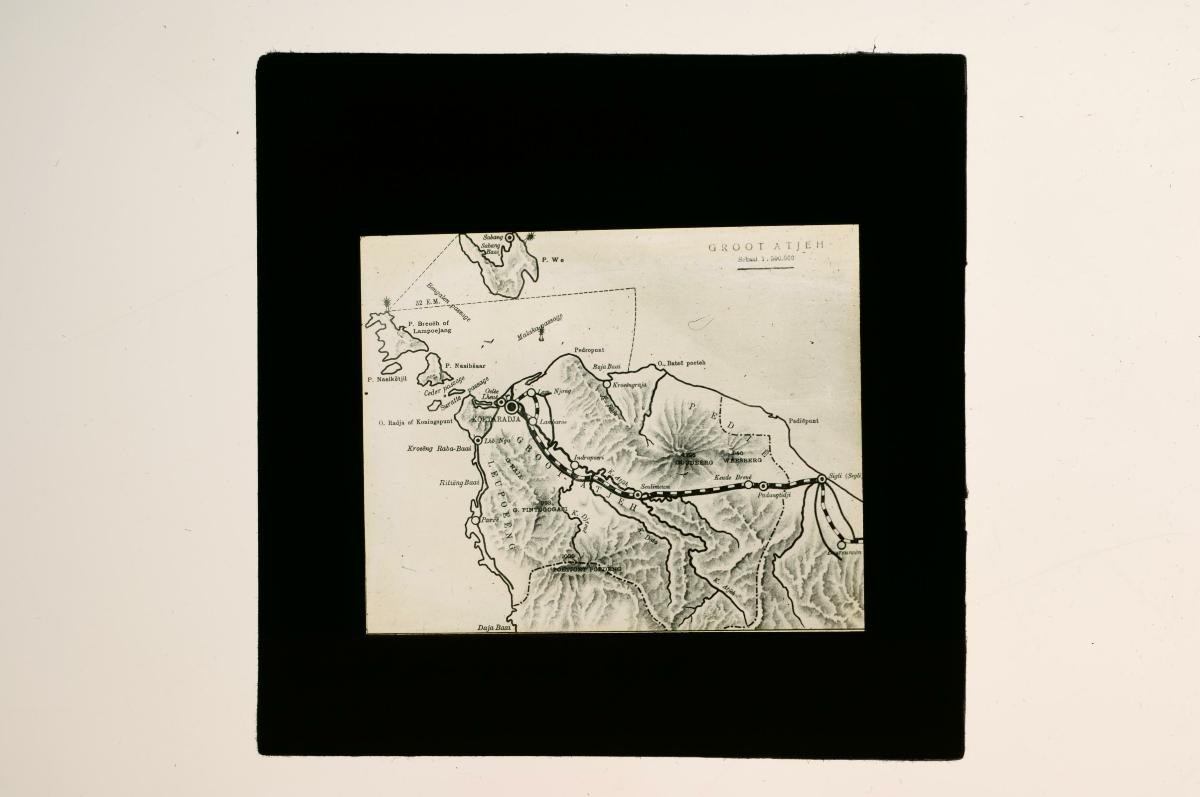
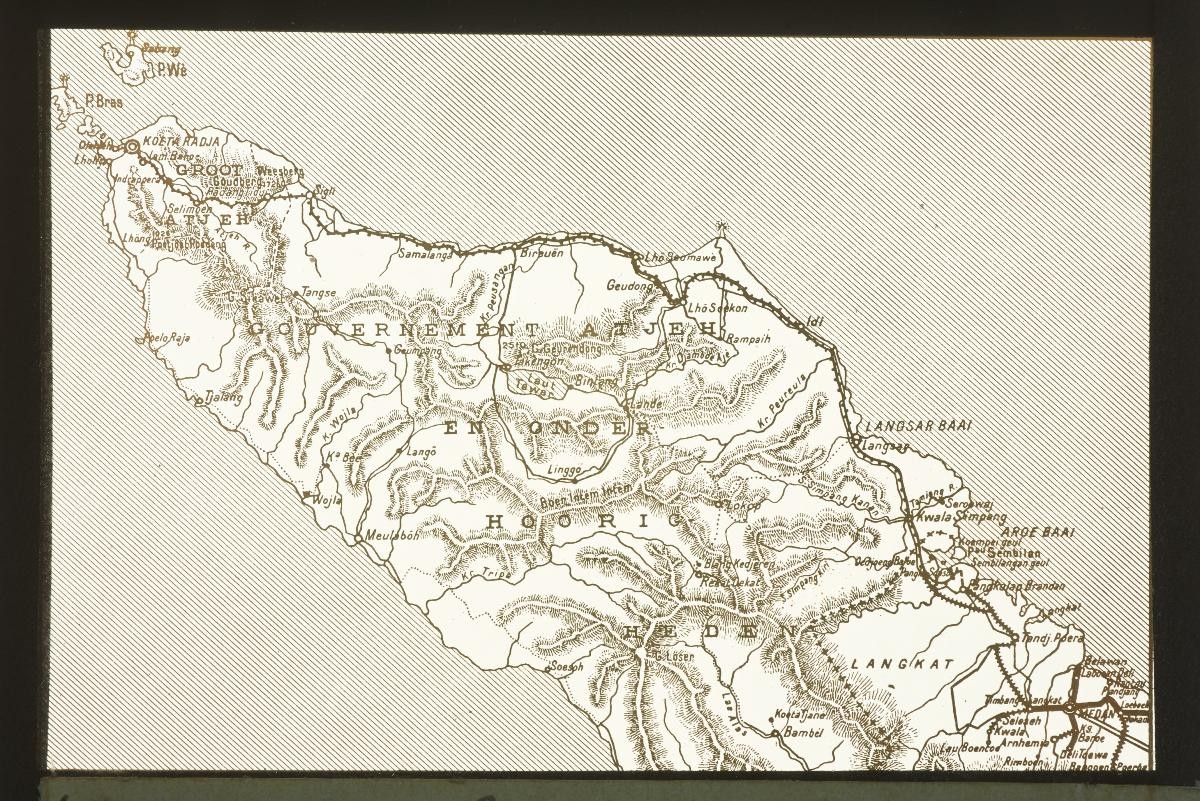
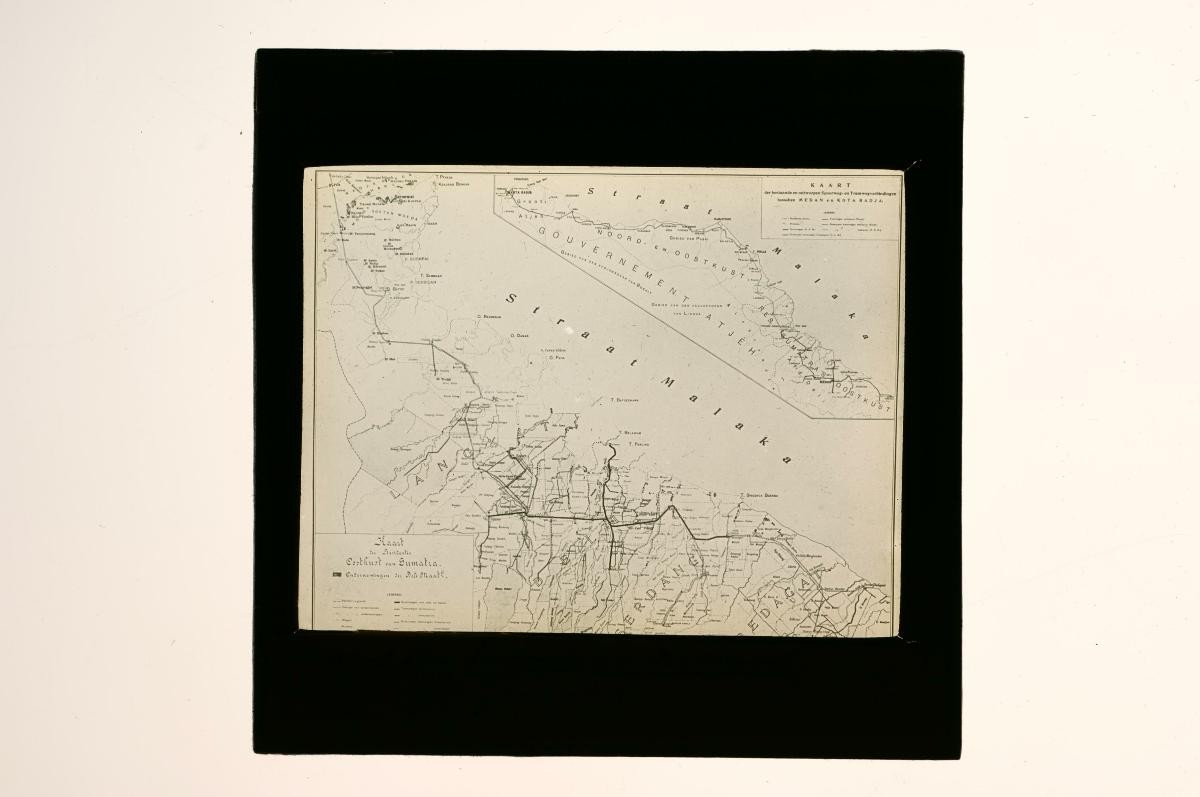
Prior to George Eastman’s invention of rolled photographic films in 1883, glass plates coated with light-sensitive materials were used as negatives. Two main types of glass plate negatives were invented in the latter half of the 19th century – the wet collodion negative in 1851 and the gelatin dry plate negative in 1879. After exposure, an image captured on a glass plate negative would be developed using chemicals, and subsequently printed onto an albumen-coated paper or a glass plate. Images printed on the latter were known as glass lantern slides as they could be projected onto a wall or screen using an image projector, commonly called a “magic lantern”. Picture slideshows featuring glass lantern slides became a popular medium for entertainment and education from the mid-19th century to the early 20th century. The black-and-white slides would often be colour-tinted by hand to enhance their visual effects on the screen.
![The History of Java, first edition [two volumes], Thomas Stamford Raffles, London, 1817](https://www.roots.gov.sg/api/media/6972aac8-d668-488a-88b7-56301f9f392a/00-cultural-connections.jpg)